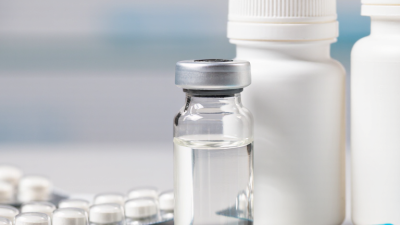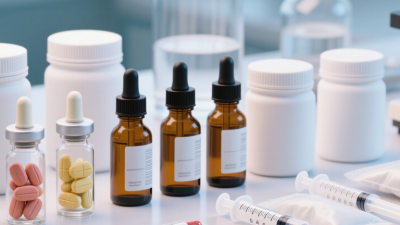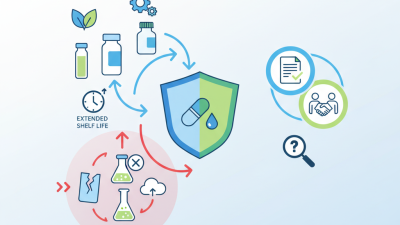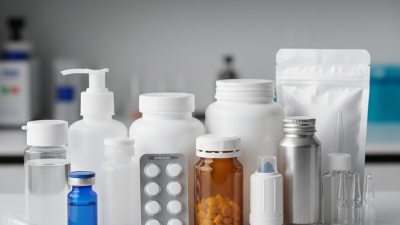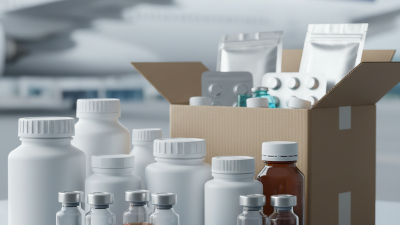
What are the 2026 best pharmaceutical containers? The answer will not be a single bottle, vial, or blister format. It will depend on the medicine’s sensitivity, delivery route, storage conditions, and patient use. A container protecting a moisture-sensitive tablet may fail completely for an oxygen-sensitive biologic. Context matters.
Walter Soroka, a respected packaging specialist and author, wrote, “Packaging is the silent salesperson.” His observation remains relevant to pharmaceutical containers. A clear vial can help healthcare workers inspect the product. A precise closure can reduce contamination risks. A well-designed blister can support accurate dosing for patients. These details influence safety, trust, and daily handling.
In 2026, leading pharmaceutical containers will likely combine barrier performance with practical usability. Glass may remain important for injectable products, especially where chemical stability is critical. High-performance polymers may support lighter designs and improved break resistance. Rubber stoppers, liners, and seals will require equal attention. The container system is only as strong as its weakest component.
Manufacturers should examine extractables, leachables, moisture transfer, oxygen exposure, light protection, and temperature stress. They should also verify compatibility through documented testing and validated manufacturing processes. Child-resistant and senior-friendly features can create a difficult balance. Easy opening is not always safer.
Sustainability will influence purchasing decisions, but lower material use cannot compromise product protection. This is where some industry claims deserve closer examination. “Recyclable” does not automatically mean suitable for pharmaceutical use. The best choice may still involve more material than expected. It must protect the medicine throughout its real journey, from factory shelves to a patient’s hand.
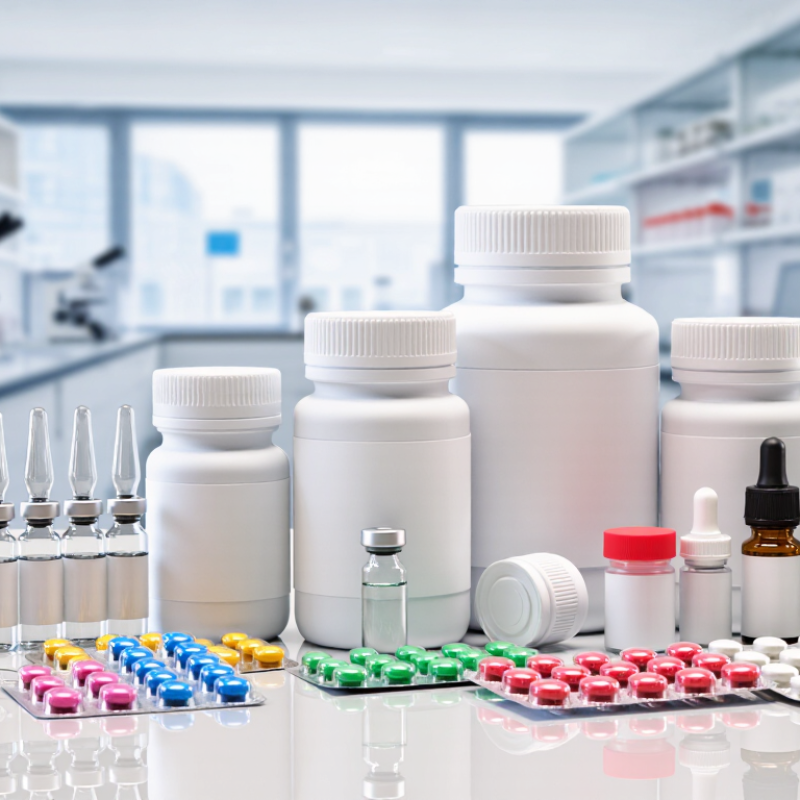
In 2026, a pharmaceutical container is more than a bottle, vial, tube, or prefilled device.
It is a controlled barrier between medicine and its surroundings. The container protects against moisture, oxygen, light, particles, and accidental damage. It also supports accurate dosing, clear identification, and safe handling. It must protect.
Modern container design begins with the medicine itself. Packaging specialists study chemical compatibility, moisture sensitivity, light exposure, and temperature changes. They also assess extractables and leachables, closure integrity, and material strength. A well-designed system may combine glass, polymers, elastomeric closures, tamper-evident features, and readable labels. These components must work together throughout transport, storage, and daily use. Small defects matter. A tiny seal failure can reduce product quality before anyone notices.
In practical development, teams use stability studies, dimensional checks, transport simulations, and validated inspection methods. Digital identification can improve traceability, while accessible designs may help patients handle containers correctly. However, no design is perfect. Automated inspection may miss unusual surface damage, and users may ignore storage instructions. Human behavior remains an important risk. I have found that simple opening instructions often prevent more mistakes than complicated features. Reliable pharmaceutical containers therefore balance protection, usability, manufacturability, and environmental responsibility. They should be evaluated with documented evidence, qualified personnel, and conditions that reflect real handling rather than ideal laboratory behavior.
The best pharmaceutical container in 2026 is not defined by appearance alone. Its material must protect the formulation during filling, transport, storage, and use. Glass remains important for sensitive liquids and injectable preparations. Type I borosilicate glass offers strong chemical resistance and low permeability. However, it can break, add weight, and require careful handling. Light-sensitive products may need amber glass or an external light barrier. Small details matter.
High-density polyethylene and polypropylene provide practical options for tablets, powders, and many liquid products. They are lightweight, durable, and easier to transport than glass. Their moisture and oxygen performance depends on wall thickness, additives, and closure design. Cyclic olefin polymers can support demanding applications requiring clarity and low extractables. Yet polymer containers may absorb ingredients or permit gradual gas transmission. That risk deserves testing, not assumptions. Evaluations should examine extractables, leachables, adsorption, and compatibility under realistic temperatures.
Elastomeric closures must seal consistently without shedding particles or reacting with the drug product. Aluminum components can improve barrier protection, but coatings and crimp quality remain critical. A credible packaging review examines torque, container-closure integrity, sterilization effects, and long-term stability data. A container may perform well in laboratory testing but change after vibration, humidity, or repeated opening. This is where judgment can be imperfect. Actual filling conditions and pharmacopeial testing should challenge confident assumptions.
What Are the 2026 Best Pharmaceutical Containers?
Container Types for Different Pharmaceutical Products
The best pharmaceutical container depends on the product, not its appearance. Tablets and capsules commonly need moisture protection. High-density plastic bottles can provide practical protection during storage and transport. Blister packs offer separate doses and help reduce handling. However, every material requires compatibility testing. A useful-looking container may still allow moisture or oxygen to enter.
Liquid medicines need careful control of leakage, light, and chemical interaction. Amber glass bottles can protect light-sensitive formulas. Plastic bottles may reduce breakage during shipping. Oral liquids also need closures that support accurate dosing. Small measuring cups or oral syringes can improve use. Yet, dosing parts can create cleaning and contamination concerns.
Sterile injections require a stronger barrier. Glass vials, ampoules, and prefilled systems must maintain sterility throughout their shelf life. Rubber closures and seals need extractables and leachables evaluation. Creams and gels often use tubes or airless containers. These formats can reduce exposure to air and repeated contact. Powders may need foil-based sachets or tightly sealed bottles.
There is no perfect container.
Packaging teams should test real products in real conditions. Heat, humidity, vibration, and repeated opening can reveal weaknesses. A container that passes laboratory checks may perform differently in homes or hospitals. The difficult choice is sometimes changing a familiar format. That decision deserves evidence, not habit.
Common pharmaceutical products require different primary containers. The chart shows the number of widely used container formats for each product category, based on established packaging practices such as glass vials, plastic bottles, blister packs, prefilled syringes, and aluminum canisters.
Tablets and capsules commonly use bottles or blister packs, while injectables require high-barrier sterile containers such as Type I glass vials or prefilled syringes. Light-sensitive, volatile, or moisture-sensitive products generally need enhanced protection through amber glass, aluminum foil, or high-barrier polymer systems.
The best pharmaceutical container in 2026 will be judged as a container-closure system, not a bottle alone. Safety begins with verified compatibility between the medicine, container, liner, and seal. Regulators expect protection against moisture, oxygen, light, particles, and microbial contamination. United States Pharmacopeia standards, including chapters <659> and <661.1>, address packaging performance and plastic material quality. Manufacturers should also document extractables, leachables, sterility, and closure integrity. A small seal defect can become a serious patient risk.
Sustainability now requires evidence, not attractive claims. The OECD’s Global Plastics Outlook reported 353 million tonnes of plastic waste in 2019, while only 9% was recycled. Pharmaceutical packaging cannot simply use less material and ignore stability. A thinner wall may increase breakage, leakage, or product loss. I would not call it better. Recycled content can also introduce variability, so suppliers need controlled sourcing, testing, and traceability. Practical options include lightweight glass, recyclable polymers, mono-material designs, and packaging that reduces unused space.
Regulatory readiness must follow the full product lifecycle. Quality teams should align with GMP expectations, risk-based validation, and regional recycling rules. The European Union’s packaging reforms increase pressure to design for recyclability and reduce unnecessary material. Digital batch records can strengthen traceability during transport and recalls. Still, digital systems do not replace physical testing. Real containers face cold warehouses, vibration, humidity, and hurried handling. Those conditions deserve repeated testing before approval.
What Are the 2026 Best Pharmaceutical Containers?
How to Select the Best Pharmaceutical Container in 2026
The best pharmaceutical container is not always the newest or most sustainable option. Selection should begin with the medicine’s sensitivity to moisture, oxygen, light, temperature, and mechanical stress. A moisture-sensitive tablet may need a high-barrier bottle, desiccant, and tightly engineered closure. A light-sensitive liquid may require an opaque container that limits ultraviolet exposure. Small details matter, including neck finish, liner contact, and opening force.
Material compatibility requires documented testing. Review extractables and leachables data, dimensional stability, closure integrity, and container performance during transport. The container should protect the product without interacting with its formulation. I would also compare results from real-time and accelerated stability studies. Short laboratory tests can miss seasonal heat, vibration, or repeated opening by patients.
Usability deserves equal attention. An older patient may struggle with a stiff cap. A caregiver may need clear measurement markings and secure reclosure. Child-resistant features must not create unnecessary frustration. Sustainability matters, but reducing material weight should never weaken protection or confuse disposal instructions. Supply reliability is another practical test: qualified materials, consistent manufacturing, and traceable quality records reduce avoidable risk. One assumption deserves reconsideration: a technically excellent container can still fail if people cannot use it correctly. The best choice balances product protection, patient handling, validated evidence, and dependable production.
| Container Type | Typical Pharmaceutical Use | Primary Material | Barrier Performance | Key Advantages | Main Limitations | Best Selection Criteria |
|---|---|---|---|---|---|---|
| Type I Borosilicate Glass Vial | Injectable solutions, lyophilized medicines, vaccines, and other sterile products | Pharmaceutical borosilicate glass | Excellent moisture, oxygen, and chemical barrier; transparent unless amber-colored | High chemical resistance, low permeability, established sterilization compatibility, and strong dimensional stability | Fragile, heavier than polymer containers, and vulnerable to breakage during transport | Choose for injectable products requiring the highest glass chemical-resistance classification and long-term stability |
| Amber Type I Glass Bottle | Light-sensitive oral liquids, injectable products, and active pharmaceutical ingredients | Amber borosilicate glass | Excellent moisture and oxygen barrier with protection from a significant portion of ultraviolet and visible light | Strong chemical resistance and passive light protection without relying solely on secondary packaging | Contents are less visible; glass weight and breakage risk remain important considerations | Select when photostability studies show that light exposure could reduce product quality |
| Type III Soda-Lime Glass Bottle | Many oral solid products, non-sterile liquids, powders, and topical preparations | Soda-lime glass | Excellent moisture and gas barrier; chemical resistance is generally lower than Type I glass | Low permeability, good transparency, and broad availability in pharmaceutical packaging formats | Not normally the first choice for demanding aqueous parenteral applications; fragile and relatively heavy | Use for products whose formulation and regulatory requirements are compatible with soda-lime glass |
| Cyclic Olefin Polymer (COP) Vial | Sensitive biologics, prefilled or ready-to-use sterile products, and breakage-sensitive applications | Cyclic olefin polymer | Very low moisture uptake and good chemical resistance; oxygen barrier is generally lower than glass | Lightweight, break-resistant, low extractables potential, and suitable for many sterile manufacturing processes | Higher material cost, possible interaction with certain formulations, and lower gas barrier than glass | Choose after extractables, leachables, adsorption, and container-closure integrity studies |
| Cyclic Olefin Copolymer (COC) Syringe | Prefilled syringes, biologics, ophthalmic products, and products requiring low friction or high visibility | Cyclic olefin copolymer | Good moisture resistance and low extractables potential; not an absolute oxygen or moisture barrier | Break resistance, low tungsten-related risk compared with some glass syringe designs, and good dimensional consistency | Requires careful compatibility testing with lubricants, adhesives, elastomers, and the drug formulation | Select when device performance, break resistance, and biologic compatibility are priorities |
| High-Density Polyethylene (HDPE) Bottle | Tablets, capsules, powders, oral liquids, and some moisture-sensitive solid medicines | High-density polyethylene | Very good moisture resistance; oxygen barrier is moderate and can be improved with a suitable closure or secondary package | Lightweight, impact-resistant, cost-effective, and compatible with child-resistant closure systems | May allow oxygen transmission, can absorb or adsorb some compounds, and may permit permeation of volatile ingredients | Choose for solid oral products after moisture, oxygen, sorption, and stability requirements are confirmed |
| Polypropylene (PP) Bottle | Solid oral medicines, powders, diagnostic reagents, and products requiring higher heat resistance | Polypropylene | Good moisture resistance; gas barrier is lower than glass and depends on wall thickness and design | Good chemical resistance, low density, impact resistance, and generally higher heat resistance than HDPE | May become brittle at low temperatures and may not provide sufficient oxygen or light protection by itself | Select when heat resistance and chemical compatibility are more important than maximum gas-barrier performance |
| Blister Pack with Aluminum Foil Lidding | Unit-dose tablets and capsules, especially products needing strong moisture or light protection | Forming film with aluminum or high-barrier lidding foil | Very high light and moisture barrier when correctly designed and sealed | Unit-dose protection, tamper evidence, portability, and reduced product-to-product contact | Higher material complexity, possible foil pinholes, and limited suitability for some large or irregular dosage forms | Choose when unit-dose dispensing, adherence support, and high moisture protection are required |
| Aluminum Tube | Topical creams, ointments, gels, and pastes | Aluminum with an internal protective coating where required | Excellent light, moisture, and oxygen barrier | Strong protection from the external environment, low product exposure after dispensing, and good collapsibility | Requires coating compatibility assessment; dents or cracks can affect presentation and protection | Select when topical product stability and protection from light and oxygen are central requirements |
| Cookie | Duration | Description |
|---|---|---|
| cookielawinfo-checkbox-analytics | 11 months | This cookie is set by GDPR Cookie Consent plugin. The cookie is used to store the user consent for the cookies in the category "Analytics". |
| cookielawinfo-checkbox-functional | 11 months | The cookie is set by GDPR cookie consent to record the user consent for the cookies in the category "Functional". |
| cookielawinfo-checkbox-necessary | 11 months | This cookie is set by GDPR Cookie Consent plugin. The cookies is used to store the user consent for the cookies in the category "Necessary". |
| cookielawinfo-checkbox-others | 11 months | This cookie is set by GDPR Cookie Consent plugin. The cookie is used to store the user consent for the cookies in the category "Other. |
| cookielawinfo-checkbox-performance | 11 months | This cookie is set by GDPR Cookie Consent plugin. The cookie is used to store the user consent for the cookies in the category "Performance". |
| viewed_cookie_policy | 11 months | The cookie is set by the GDPR Cookie Consent plugin and is used to store whether or not user has consented to the use of cookies. It does not store any personal data. |