What is the Best Type of Pharmaceutical Containers for Export?
In the global pharmaceutical industry, choosing the right pharmaceutical containers for export is crucial. According to a recent report by Smith & Johnson Research, around 30% of pharmaceutical products face damage during transport due to inadequate packaging. This statistic highlights the importance of selecting appropriate containers to ensure drug integrity and safety.
Dr. Emily Carter, an expert in pharmaceutical logistics, emphasizes, "Effective pharmaceutical containers are essential for maintaining product quality in transit." With the growing demand for medications worldwide, exporters must consider various container types. Options range from glass vials to advanced polymer materials, each offering unique advantages.
However, many companies overlook the long-term implications of their choices. Inadequate packaging can lead to increased costs and loss of consumer trust. As the industry evolves, companies must adapt to regulatory standards and technological advancements. Finding the best pharmaceutical containers requires careful evaluation of product specifics and market needs. Such decisions can significantly impact export success and patient safety.
Types of Pharmaceutical Containers Used in Exportation
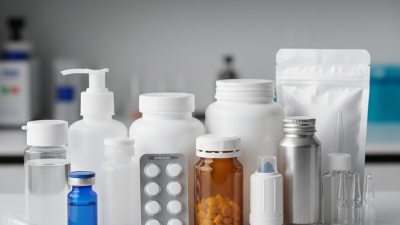
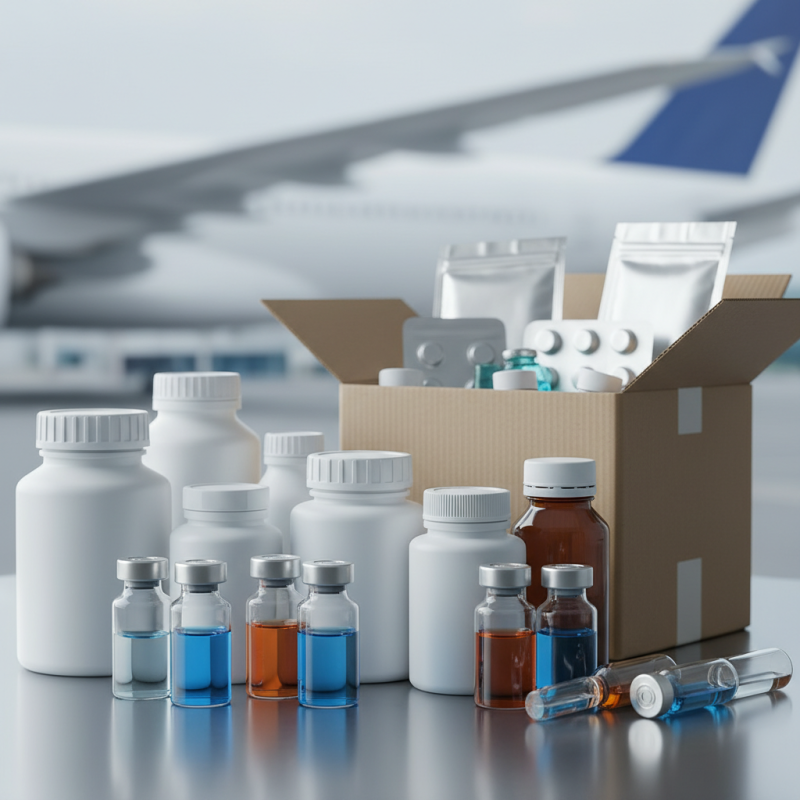
When it comes to exporting pharmaceuticals, the choice of containers is vital. Various types of pharmaceutical containers are employed for safe transport. Glass vials remain a popular option due to their ability to preserve the integrity of the contents. These containers often provide a robust seal and protect the product from external factors like moisture.
Plastic containers are also widely used. They are lightweight and less prone to breakage, making them advantageous for bulk transport. However, they can sometimes lack the protective qualities of glass. Metal containers, although more durable, may not always be suitable for all types of pharmaceuticals. Each type has its strengths and weaknesses, which is crucial to assess.
Tips: Always consider the temperature sensitivity of your product when choosing a container. Ensure that the container material is compatible with the substances it will hold. Regularly review your packaging strategies. You may discover opportunities for improvement in cost and safety. This reflective practice can enhance the reliability of your pharmaceutical export process.
Key Features of Pharmaceutical Containers for International Shipping
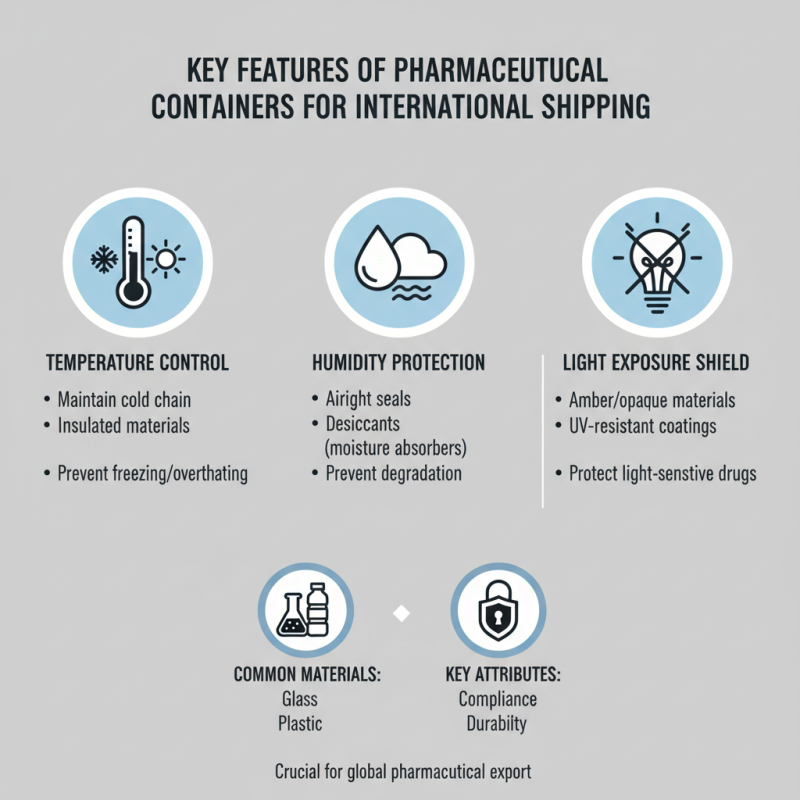
When exporting pharmaceuticals, the right container is crucial. Pharmaceutical containers need to protect their contents from environmental factors. This includes humidity, temperature, and light exposure. Various materials can be used, such as glass and plastic, each with unique advantages.
A reliable container should also provide tamper-evidence. This feature reassures customers about product safety. Proper sealing is essential to maintain sterility and prevent contamination. Packaging must meet international standards for safety and efficacy.
However, not all containers are perfect. Some may fail in extreme conditions. Regular testing and quality checks are necessary to mitigate risks. The choice of containers can impact the supply chain. Balancing cost and quality is a common challenge for many exporters.
Regulatory Standards Impacting Pharmaceutical Container Choices
The choice of pharmaceutical containers for export is heavily influenced by regulatory standards. These standards often vary by region, affecting how companies approach packaging. For instance, the World Health Organization (WHO) guidelines emphasize the significance of packaging in maintaining product integrity. In Europe, the Falsified Medicines Directive mandates child-resistant and tamper-evident features. Compliance with these regulations is crucial.
A report from the Pharmaceutical Packaging Association indicates that about 30% of medication failures can be traced back to inadequate packaging. The right materials can prevent contamination and degradation. Glass and specific plastics, for instance, are often preferred for their protective properties. Yet, this does not eliminate challenges; some plastic materials can leach harmful substances if not properly evaluated.
As the industry evolves, companies must continuously assess their packaging suppliers. Regular audits ensure compliance with current regulations. However, many organizations struggle with these evaluations. It's an area requiring ongoing attention and improvement. The regulatory landscape is complex and demanding, compelling pharmaceutical companies to be vigilant about their container choices.
Comparative Analysis of Material Options for Pharmaceutical Containers
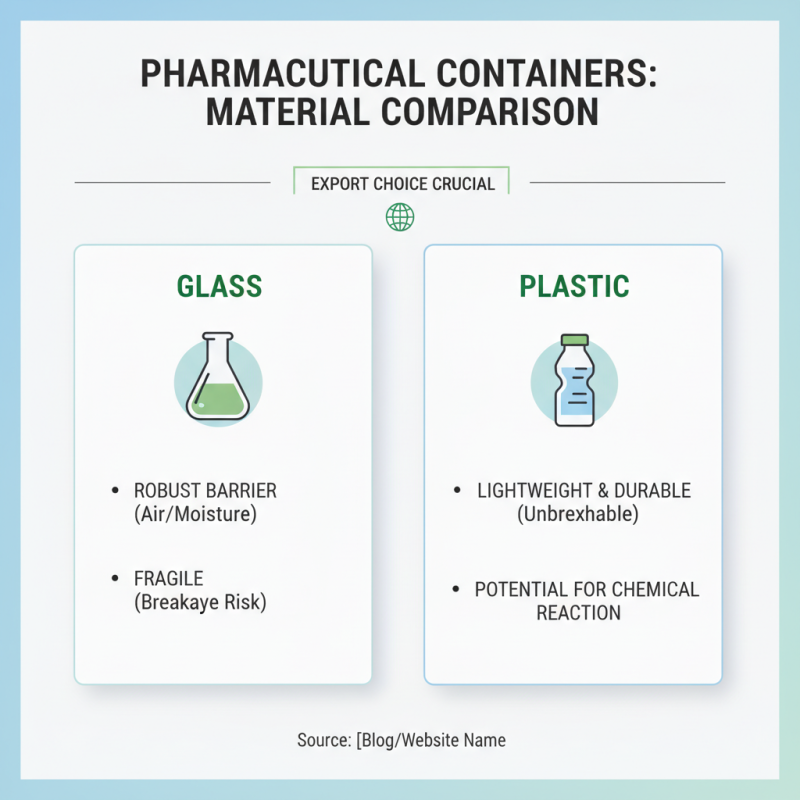
When exporting pharmaceutical products, choosing the right container is crucial. Various materials offer different advantages and shortcomings. Glass containers are glassy and provide a robust barrier against air and moisture. However, they can break easily, raising concerns during transportation. Plastic containers, on the other hand, are lightweight and nearly unbreakable. But they might react with some chemicals, affecting the product's safety.
Tips: Select materials that maintain stability for your specific pharmaceuticals. Assess the compatibility of the container with your product. This can help in avoiding adverse reactions that could affect efficacy.
Metal containers present a resilient option but often come with higher production costs. Their hermetic sealing can greatly enhance shelf-life. Yet, one must remember that metal may not be suitable for all types of medications. Many tend to overlook these critical details when choosing their containers.
Tips: Conduct thorough tests on container materials. It’s essential to analyze their interactions with specific medications. This approach enhances reliability, ensuring pharmaceutical integrity during transit. Ultimately, gathering feedback from the distribution process can provide insights for future improvements.
Best Practices for Packaging Pharmaceuticals for Global Distribution
Packing pharmaceuticals for export requires precision and care. The integrity of each product is vital. Proper packaging safeguards against contamination and damage during transit. Understanding the best practices ensures compliance with international standards.
One effective tip is to select containers that provide a barrier to moisture and light. These elements can affect the stability of pharmaceutical products. Exploring options like blister packs or vacuum-sealed bags can enhance protection. Consider temperature-sensitive products as well. Insulated containers may be crucial for maintaining quality.
Another important aspect is labeling. Clear, concise information helps customs and distributors. Including instructions in multiple languages can prevent misunderstandings. However, it’s essential to ensure that labels remain legible throughout the shipping process. It might be beneficial to test labels under different conditions before finalizing the design.
What is the Best Type of Pharmaceutical Containers for Export?
| Container Type |
Material |
Use Case |
Regulatory Compliance |
Key Benefits |
| Glass Vials |
Borosilicate Glass |
Injectables |
FDA, EMA |
Chemical Resistance |
| Plastic Bottles |
PET, HDPE |
Oral Medications |
FDA, ISO |
Lightweight, Cost-Effective |
| Blister Packs |
PVC, ALU |
Tablets, Capsules |
FDA, GMP |
Tamper-Evident, Dose Control |
| Syringes |
Polypropylene |
Injectables |
FDA, ISO |
Precision Dosing |
| Cans |
Aluminum |
Injectables, Inhalants |
FDA, EU |
Good Barrier Properties |