What Are the Top Beverage Bottle Types in 2026?
What will a beverage bottle need to do in 2026? Hold carbonation without leaking, protect flavor from light, survive a commute, or feel comfortable in one hand. The answer depends on the drink, filling process, shelf life, and how people actually use the package. There is no single best bottle.
This guide compares familiar options, including glass, PET plastic, aluminum, and reusable stainless steel. Each brings practical strengths and trade-offs. Glass can preserve taste and offer a premium feel, yet it is heavier and breakable. PET is light and widely used, but material choices and recycling access vary by market. Aluminum blocks light well, though closures and bottle shape affect the experience. Stainless steel suits repeated use, but it is not designed for every beverage or filling line.
Details matter. A sparkling drink needs pressure-resistant packaging. A juice may need stronger light and oxygen protection. A bottle meant for a lunch bag should be easy to open, clean, and carry. Small design choices—neck width, cap grip, wall thickness—can change daily use more than a striking label does.
The sections ahead look at bottle types, common applications, and selection criteria for brands and buyers. We will weigh protection, cost, convenience, and end-of-life options without treating any material as a perfect solution. Packaging claims can be hard to compare. Check local recycling guidance and supplier specifications before deciding. One useful question remains: what happens after the last sip? That is easy to overlook.
Beverage Bottle Types in 2026: Classify by Material and Use
What Are the Top Beverage Bottle Types in 2026?
Beverage Bottle Types in 2026: Classify by Material and Use
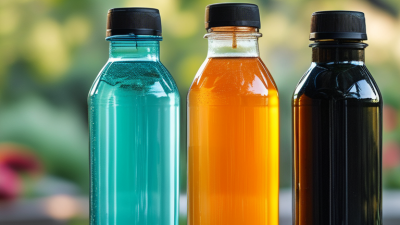
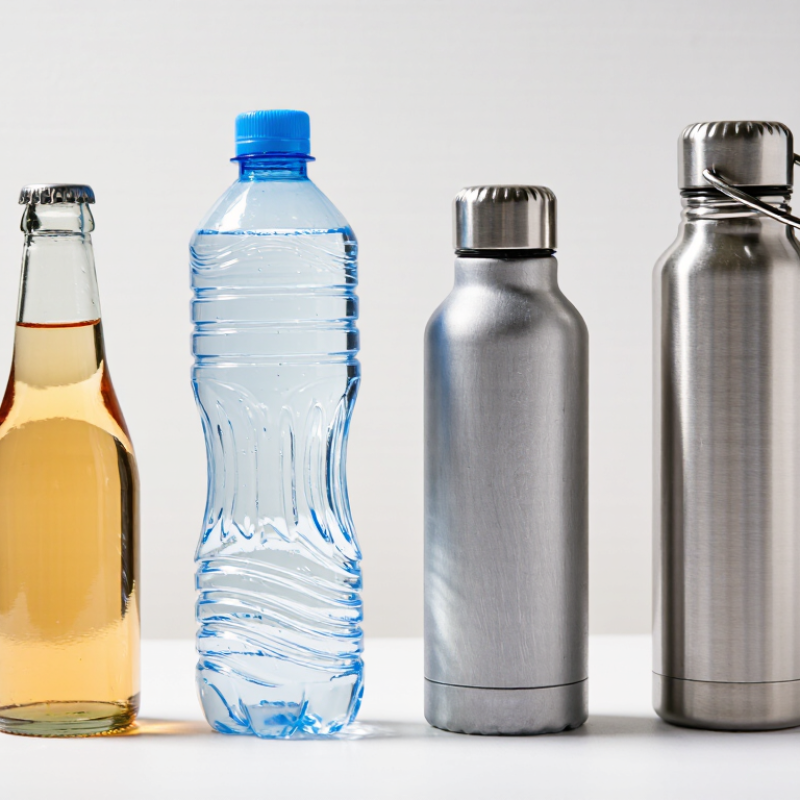
In 2026, beverage bottles are easiest to compare by material and intended use. Glass keeps drinks’ taste neutral and cleans well, making it suitable for home use and premium cold drinks. It is heavy and can break, though. PET plastic is light and clear, so it works well for everyday cold drinks and travel. Check whether a bottle is designed for reuse; not every disposable bottle is.
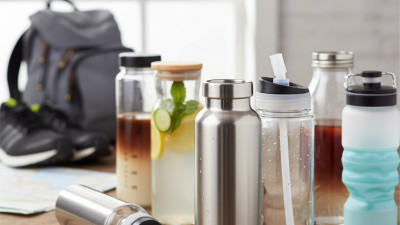
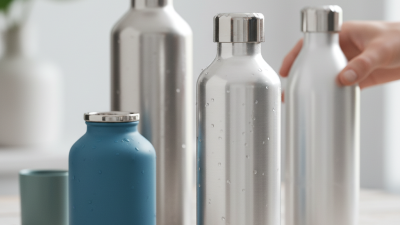
Aluminum bottles are light and block light, which can help protect some beverages. Their inner lining matters, since drinks can react with unlined metal. Stainless steel is a common pick for commuting, hiking, and keeping drinks hot or cold. Check the product’s temperature guidance. Details matter. In practice, choosing by material alone can be misleading: a narrow opening may make cleaning awkward, while a heavy bottle may stay home.
Tips: Match the bottle to the drink and routine. For a work bag, check the lid seal and weight. For repeated use, inspect the opening and cleaning instructions. If uncertain, choose the bottle that is easiest to wash and carry.
PET Bottles: NAPCOR Reports a 24.6% U.S. Recycling Rate in 2023
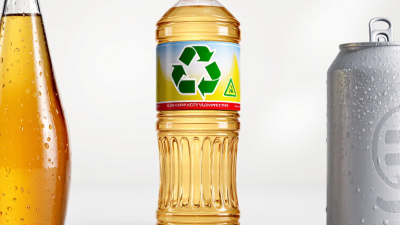
PET bottles remain common in beverage aisles because they are lightweight, durable, and easy to shape for water, juice, and other drinks. Yet convenience does not guarantee recovery. NAPCOR reported a 24.6% recycling rate for PET bottles in the United States in 2023. That figure is a useful benchmark, not a promise that any particular bottle will be recycled. Collection access, sorting systems, and contamination all affect what happens after a bottle enters a bin.
Small actions matter, though they cannot fix the whole system. Empty bottles before recycling, and follow local instructions on caps and accepted containers. A sticky residue or leftover drink can complicate sorting. Check the label, too; not every plastic package is PET. The material is commonly marked with a number 1 recycling symbol, but that symbol alone does not mean a local program accepts it. Details matter.
A rate of 24.6% also leaves room for honest reflection. Many consumers may assume that a recycling symbol means a bottle returns as another bottle. In reality, collection and processing vary by location, and recycled material may become different products. The gap between intent and outcome is easy to overlook. Clearer local guidance and better collection infrastructure could help narrow it.
Glass Bottles: GPI Describes Glass as 100% Recyclable
Glass Bottles: A Recyclable Choice, With Practical Limits
Glass beverage bottles stand out because the material is 100% recyclable. Recycled glass can be made into new containers without losing its basic quality. That matters. A clean bottle can return to use rather than becoming waste, provided local collection systems accept it.
The claim needs context, though. A recyclable bottle is not automatically recycled. Collection access, sorting, and contamination all affect what happens next. At home, rinsing out a sticky drink residue and separating bottles from ordinary rubbish can help. Bottle color may matter, too, since some facilities sort clear and colored glass separately. Transport also takes energy because glass is heavy. These details do not erase its recyclability, but they make the picture less tidy than a label suggests. For shoppers and beverage makers, glass offers a durable, reusable-feeling package; its environmental value depends partly on what happens after the last sip.
HDPE and Aluminum Bottles: Compare Their Specialized Beverage Uses
What Are the Top Beverage Bottle Types in 2026?
HDPE and Aluminum Bottles: Compare Their Specialized Beverage Uses
HDPE suits beverages where low weight, impact resistance, and easy handling matter. Its opaque form protects light-sensitive milk, while wide openings help with pouring and cleaning. It also works for larger juice containers. The U.S. EPA’s 2018 Advancing Sustainable Materials Management report estimated a 29.3% recycling rate for natural HDPE bottles. That figure is a dated U.S. benchmark, not a measure of today’s performance.
Aluminum bottles fit premium waters, ready-to-drink teas, and functional beverages that benefit from fast chilling and a strong light barrier. They feel cool in the hand. They can dent, and interior liners may complicate recycling. The Aluminum Association and Can Manufacturers Institute reported a 43% U.S. recycling rate for aluminum beverage cans in 2023. Cans are not bottles, so treat this as context—not a direct bottle-to-bottle comparison. Packaging data can be messy.
Tips: Match the container to the drink’s shelf life and serving size. Check local recycling guidance, too. For HDPE, inspect the closure and opaque wall; for aluminum, confirm liner and cap compatibility. A recyclable material alone does not guarantee an effective local collection route.
HDPE and Aluminum Bottles: A Material Comparison for Beverage Uses
Typical material density (g/cm³): HDPE is much less dense, making it a practical choice for everyday milk, juice, and sports-drink containers. Aluminum is denser, but its strong barrier to light and oxygen and suitability for carbonated beverages make it useful for drinks where product protection and carbonation retention matter. Density values are typical; actual values vary by material grade and alloy.
Plastic Bottle Choices: EU Targets 30% Recycled Content by 2030
Plastic bottles remain a major beverage-packaging choice in 2026, especially for water and soft drinks. The European Union’s Single-Use Plastics Directive sets a target: plastic beverage bottles must contain at least 30% recycled plastic by 2030. A separate 25% target for PET bottles applied from 2025. These targets concern plastic bottles, not glass or aluminium containers.
The distinction matters: recycling more packaging does not automatically mean new bottles contain more recycled material. Eurostat reported that 40.7% of plastic packaging waste was recycled in the EU in 2022. That is a waste-recycling rate, not a recycled-content figure. For bottle makers, dependable supplies of food-contact-grade recycled PET, clean sorting, and consistent material quality all matter. A clear bottle may also show slight variation in tint. That can be acceptable, but shoppers may notice. The target sounds tidy on paper; delivery is less tidy.
Tips: For procurement teams, ask suppliers for verified recycled-content documentation and test bottle performance with actual products. Check cap fit, label adhesion, and clarity. Small trials help. Recycled resin availability can vary by region and season.