Best Beverage Bottles for Quality and Eco-Friendly Options?
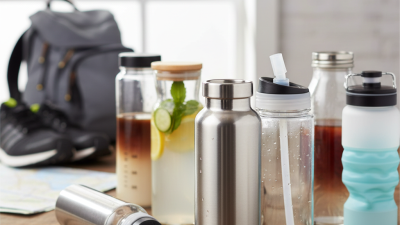
When it comes to choosing the best beverage bottles, quality and eco-friendliness are crucial. Many consumers now seek options that not only keep drinks fresh but also minimize environmental impact. The market offers numerous choices. However, not all beverage bottles are created equal. Some materials are harmful to the planet, while others can be safe and sustainable.
Consider the materials used in beverage bottles. Plastic options often lead to pollution, while stainless steel or glass can offer a more sustainable choice. Additionally, the design of these bottles matters. A good beverage bottle should be both functional and aesthetically pleasing. It's surprising how a stylish bottle can enhance the drinking experience.
Yet, it’s easy to get caught up in trendy marketing. Many bottles claim to be eco-friendly, but it’s essential to look beyond labels. Research the brands and their practices. This may require more effort, but the payoff is significant. Investing in quality beverage bottles benefits your health and helps our planet.
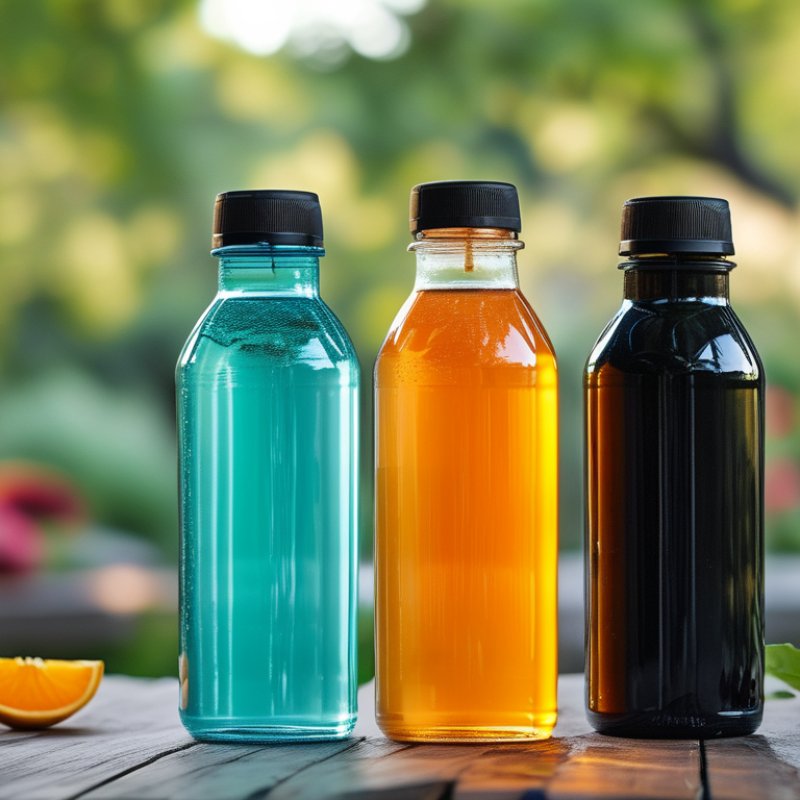
Best Beverage Bottles: A Comparative Analysis of Eco-Friendly Materials
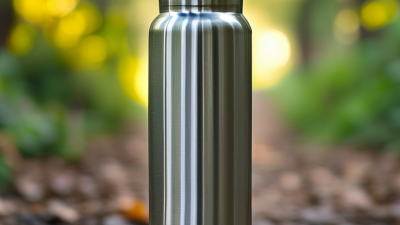
When it comes to choosing beverage bottles, eco-friendly materials play a significant role. Many people seek alternatives to plastic, aiming to reduce environmental impact. Reusable bottles made from stainless steel, glass, or BPA-free plastics are gaining popularity for good reasons. Stainless steel offers durability and insulation, keeping drinks cold or hot for hours. Glass is non-toxic and recyclable, but it can be heavier and more fragile.
However, not all eco-friendly materials are perfect. Some stainless steel bottles may have plastic components that can leach chemicals over time. Glass bottles, while safe, can break easily if dropped. It’s also crucial to consider the manufacturing processes of these materials. Some methods can still harm the environment. Researching the lifecycle and sourcing of these bottles is essential for conscious consumers.
Ultimately, the best bottles strike a balance between user experience and environmental responsibility. Each material has its pros and cons. Selecting the right beverage bottle involves not only choosing eco-friendly options but also reflecting on their overall impact. Thoughtful consideration can lead to better choices for both personal health and the planet.
Key Features of Quality Beverage Bottles: Durability and Insulation
Choosing a quality beverage bottle requires understanding key features like
durability and insulation.
Durable bottles withstand drops and daily wear. Look for materials like
stainless steel or high-grade plastics. These options are less likely to break or degrade
over time. A sturdy bottle can accompany you on hikes, commutes, or even around the house.
Insulation is another important factor. Insulated bottles keep drinks cold or hot for hours.
Double-walled construction offers superior thermal retention.
Consider how you plan to use the bottle. For instance, a bottle for hot coffee should maintain
temperature longer than one for cold water. Not all bottles perform equally in insulation,
and some may lose effectiveness over time.
Reflect on your lifestyle when selecting a bottle. What will you use it for? How often will you clean it?
Quality matters, but so does usability. Remember, a bottle's eco-friendly
nature can be compromised if it breaks easily and ends up in a landfill. Choose wisely, and prioritize both
durability and insulation to ensure your bottle meets your needs.
Industry Standards for Eco-Friendly Bottles: Certifications and Compliance
The shift towards eco-friendly beverage bottles is driven by consumer awareness. Many are seeking sustainable choices. Certifications hold significant importance in this journey. They verify claims of eco-friendliness and set industry standards.
For example, the Global Recycling Standard (GRS) ensures products meet stringent environmental and social criteria. According to the 2022 Sustainability Report from the Beverage Industry Association, certified bottles have a 30% lower environmental impact compared to non-certified options. This data highlights the importance of certifications when choosing a sustainable bottle.
Moreover, compliance with standards like the FDA regulations for materials safety is essential. Consumers must feel confident in their choices. Certifications can build trust but also may lead to confusion. Not all labels signify the same level of compliance. Educating oneself on these criteria is crucial for making a responsible purchase. It's a complex landscape, and while many companies strive for sustainability, not all meet the highest standards. Balancing convenience with eco-consciousness requires effort and awareness.
Best Beverage Bottles for Quality and Eco-Friendly Options
| Bottle Material |
Capacity (ml) |
Reusability |
Certifications |
Price ($) |
| Glass |
500 |
Yes |
FDA, BPA-Free |
25 |
| Stainless Steel |
750 |
Yes |
ISO 14001, Food Grade |
30 |
| Tritan Plastic |
600 |
Yes |
BPA-Free, FDA Approved |
20 |
| Aluminum |
500 |
Yes |
Recyclable, Green Certifications |
22 |
| Bamboo |
400 |
Yes |
Organic Certifications |
35 |
Consumer Trends: Growing Demand for Sustainable Beverage Containers
As consumer awareness grows, the demand for sustainable beverage containers rises. Many people now prefer eco-friendly options for their drinks. This shift reflects a deeper understanding of environmental issues. The rise in plastic waste has sparked concern. Therefore, more individuals seek alternatives that reduce their carbon footprint.
New materials are emerging, like bamboo and stainless steel. These choices not only help the planet but also improve drink quality. Consumers notice that stainless steel keeps beverages at the right temperature longer. It's a practical solution for daily use. Bamboo options appeal due to their natural aesthetic. These materials often boast durability and can be reused many times.
Despite these trends, challenges remain. Some eco-friendly bottles might be more expensive upfront. This can deter cost-conscious buyers. Furthermore, not all consumers are aware of the impact of their choices. Education plays a crucial role in promoting sustainable practices. People need reliable information on the benefits of using these bottles. Only then can we truly encourage a shift towards a more sustainable future.
Market Statistics: Performance of Leading Brands in Eco-Friendly Bottles
The eco-friendly beverage bottle market has witnessed significant growth in recent years. Consumers are increasingly aware of environmental issues. This shift has boosted the demand for sustainable, reusable bottles. Many brands are focusing on developing products that minimize plastic waste. They are using materials like stainless steel and glass. These choices resonate well with eco-conscious customers.
Market statistics reveal interesting trends in sales and preferences. A recent survey showed that 70% of consumers prefer eco-friendly options. This shift is reflected in the sales figures. Brands that prioritize sustainability see higher growth rates compared to traditional options. However, the eco-friendly category is not without challenges. Some products still face scrutiny over long-term durability and supply chain practices. There's room for improvement and innovation in material sourcing.
In the pursuit of eco-friendly solutions, it is essential to consider quality alongside sustainability. Not all eco-friendly bottles live up to consumer expectations. Some may compromise design or functionality. As the market evolves, feedback from consumers will be crucial. Brands must listen and adapt to ensure their products meet the needs of a discerning audience. This balance is vital for long-term success in the eco-friendly beverage bottle market.