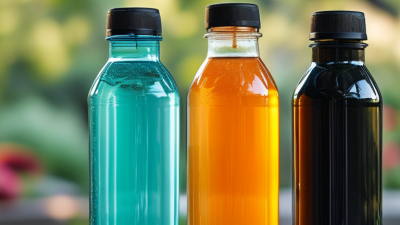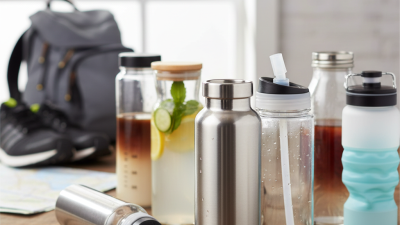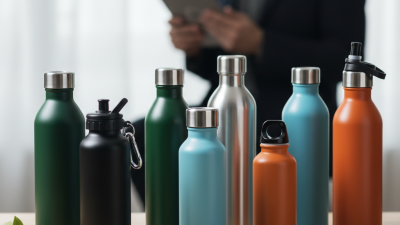
Choosing beverage bottles is a practical decision, not merely a branding exercise. The right container protects the drink, suits the filling process, and feels comfortable in a buyer’s hand. A cold glass bottle has reassuring weight. A lightweight PET bottle travels easily. Aluminum cans chill quickly, though they offer a different drinking experience. Each option has trade-offs.
Industrial designer Dieter Rams, whose design principles influence product packaging, said, “Good design is as little design as possible.” That principle can help buyers assess bottles: useful features should earn their place. Check the bottle’s material, capacity, closure, shape, and compatibility with filling equipment. Consider shipping weight, storage space, and how easily customers can grip and open it. For reusable formats, inspect durability and cleaning needs. For retail products, label area and shelf visibility matter too.
There is no universal winner. Glass may suit premium drinks, but its weight can raise transport demands. PET can be convenient, yet buyers should assess the specific resin, recycled content, and end-of-life options available in their market. Aluminum is light and opaque, but its shape and closure choices may limit some product designs. Details matter. A sample bottle on a desk can look perfect, then feel awkward when filled and chilled. I would test prototypes with the actual beverage before committing. That extra step is easy to overlook. This guide compares common beverage bottles by material, cost, performance, and practical use, so buyers can choose with clearer expectations.
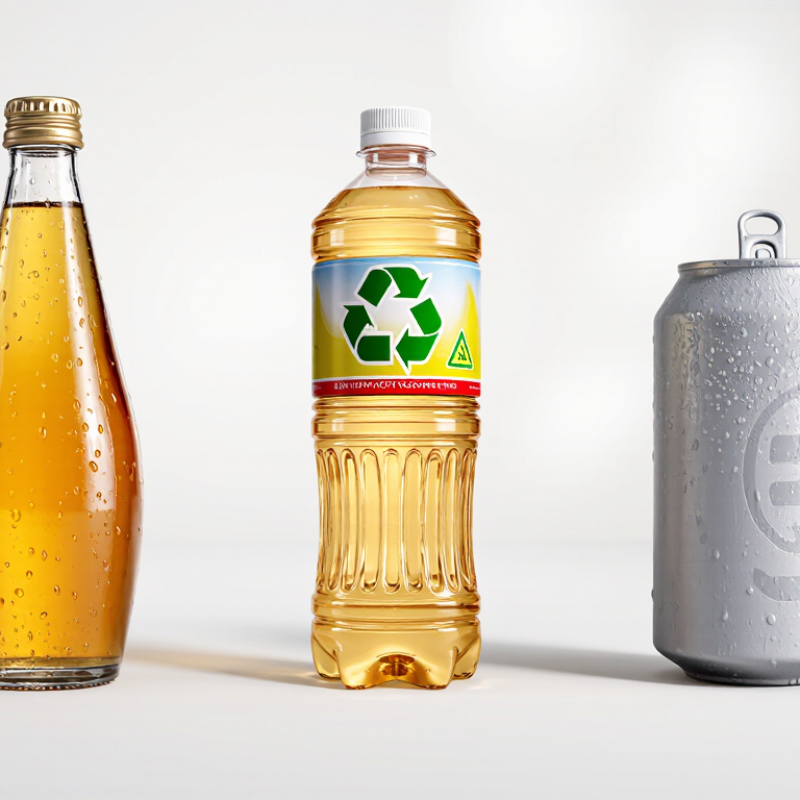
A beverage bottle is a food-contact container designed to hold, protect, and dispense drinks. Its structure usually includes a body, shoulder, neck, and closure. The neck controls pouring, while the shoulder helps resist pressure and impact. Material is the clearest starting point. Glass bottles are rigid, nonporous, and highly resistant to flavor transfer. They also feel substantial in the hand. Plastic bottles are lighter and less likely to shatter during transport. However, their barrier performance varies by resin and wall thickness. Metal bottles offer strong protection and good insulation, but their inner coating requires careful quality control.
Every material has trade-offs. Classification also depends on the beverage and closure. Carbonated drinks need bottles that tolerate internal pressure. Still water may use a lighter structure. Juice and sensitive beverages need stronger protection from oxygen and light. Threaded caps support resealing, while sports caps improve one-handed drinking. Wide-mouth designs simplify cleaning and filling thicker drinks. A technical buyer should review dimensional accuracy, seal performance, drop resistance, and temperature limits. Supplier test data matters more than appearance alone.
Classification is not always neat. A reusable bottle may still have a weak cap. A lightweight bottle may reduce shipping impact but feel less durable. In practice, I would compare the bottle, closure, and beverage together. That small step prevents a common mistake: choosing a container by shape before checking its actual performance.
Material choice often determines a beverage bottle’s safety, weight, appearance, and transport cost. In bottle sourcing, I have found that glass offers strong flavor protection and a premium feel. It also resists many chemical interactions. However, glass is heavy and can break during handling. That weakness matters for shipping and outdoor sales.
PET plastic is lightweight, clear, and widely used for water, juice, and soft drinks. Its impact resistance reduces breakage, but heat exposure can affect its performance.
HDPE plastic feels tougher and blocks light better when produced in opaque forms. It suits milk, juice, and other drinks that need extra protection.
Aluminum bottles are light and highly recyclable in established collection systems. They often need an internal coating to prevent contact between the drink and metal.
Material testing should include barrier performance, closure fit, drop resistance, and temperature conditions. Food-contact documentation is essential. Recycling claims also need careful checking because local facilities accept different materials. A bottle may be technically recyclable but rarely collected in practice. That detail is easy to miss. Buyers should compare the full package, including caps, labels, coatings, and transport distance. No material wins every time. Even experienced buyers can overvalue appearance and underestimate logistics. A clear bottle on a bright shelf may look excellent, yet poor light protection could reduce product quality.
Choosing a beverage bottle starts with the drink, not the shelf. A tall, narrow bottle suits water, iced tea, and drinks poured quickly. Its slim profile saves space, but it can feel unstable on a crowded table. A wider base supports thick juices and smoothies. Square shoulders improve label space and stacking, yet corners may concentrate impact during transport. Curved bottles feel comfortable in the hand. They may waste carton space.
Closure choice changes freshness, pouring speed, and customer trust. A screw cap works well for still drinks needing repeated opening. It should match the bottle neck precisely; loose threads can cause leakage and air entry. A snap cap offers quick access for active use, though it may wear after repeated cycles. For carbonated drinks, pressure-rated closures and stronger neck finishes are essential. The seal must resist gas loss, not merely dripping. That distinction is often missed. Small details matter.
Buyers should test filled bottles under refrigeration, warmth, and repeated handling. In small packaging trials, a closure that seemed secure failed after side pressure. That result was inconvenient, but useful. Grip, cap torque, drop resistance, and pouring control deserve measurement. I would also check whether the shape fits standard crates and dispensing equipment. A beautiful bottle can become expensive when every carton needs special handling. The best choice may be less elegant, but easier to fill, ship, open, and recycle when local systems accept its material.
| Bottle Type | Common Shape and Material | Drinks It Suits | Typical Closure | Why It Works | Buyer Considerations |
|---|---|---|---|---|---|
| Carbonated soft-drink bottle | Pressure-rated PET, usually with a rounded body and reinforced base | Soda, sparkling water, and other carbonated drinks | Threaded plastic cap with a tamper-evident ring | PET bottles designed for carbonation can withstand internal pressure. The screw cap helps retain carbonation after opening. | Check that the bottle and closure are specified for the product’s carbonation level, filling conditions, and shelf life. |
| Still-water bottle | Lightweight PET with a simple cylindrical or contoured shape | Still water and some non-carbonated drinks | Threaded screw cap | Lightweight construction is convenient for transport, while the familiar shape works with common filling and packing equipment. | Choose a bottle weight and finish that suit handling, distribution, and local recycling requirements. |
| Beer bottle | Amber or green glass, often with a long neck and sturdy heel | Beer and some fermented beverages | Crown cap | Glass provides a strong barrier to gases. Amber glass helps reduce light exposure, which can affect beer flavour; green glass offers less light protection. | Confirm compatibility with the filling line and intended pressure. Darker glass is generally preferable when light exposure is a concern. |
| Wine bottle | Glass with a long neck; Bordeaux-style bottles have straighter sides, while Burgundy-style bottles have sloping shoulders | Still wine | Cork, screw cap, or synthetic closure | Glass is impermeable to liquid and provides a familiar format. Closure choice affects oxygen ingress, opening method, and storage suitability. | Select the closure based on wine style, expected storage period, bottling equipment, and consumer preference. |
| Sparkling-wine bottle | Thick, pressure-resistant glass with a deep punt and reinforced finish | Sparkling wine and other high-pressure drinks | Cork with a wire cage | The heavier glass is designed for the elevated pressure of carbonated wine, while the cage helps secure the cork. | Use a bottle and closure system rated for the product’s pressure. Do not substitute a standard still-wine bottle. |
| Juice bottle | PET or glass; commonly a wide-bodied shape with a broad opening | Fruit juice, smoothies, and some chilled non-carbonated drinks | Screw cap, sometimes with a tamper-evident band | A wider opening can make filling and pouring easier. PET reduces weight; glass offers a rigid, reusable-feeling package. | Consider acidity, pasteurization or hot-fill conditions, refrigeration needs, and the product’s sensitivity to oxygen and light. |
| Spirits bottle | Rigid glass in varied shapes, often with a broad body and substantial base | Distilled spirits and liqueurs | Screw cap, bar-top closure, or other spirit-compatible closure | Glass is compatible with many high-alcohol products and supports a range of shapes and pouring styles. | Verify closure and liner compatibility with the alcohol strength. Consider tamper evidence, controlled pouring, and shipping weight. |
| Aluminum beverage bottle | Lightweight, opaque metal with a cylindrical body | Water, beer, energy drinks, and other compatible beverages | Threaded closure or crown-style closure, depending on design | Aluminum blocks light and is lightweight. An internal coating is commonly used where needed to separate the beverage from the metal. | Confirm that the lining suits the drink’s acidity and composition, and check compatibility with filling and recycling systems. |
Choosing beverage bottles starts with the drink and its journey. Glass resists flavor transfer and suits products where clarity matters, but it is heavier and can break during handling. PET is lightweight and practical for chilled drinks, while its temperature limits and recycling options depend on local systems. Aluminum blocks light well, though buyers should check the interior lining and confirm compatibility with the beverage.
Capacity is only one detail. Compare bottle dimensions with filling equipment, cartons, shelves, and cup holders. A bottle that looks compact may not fit an existing line. Check neck finish and closure together; mismatched threads can cause leaks or slow production. Ask suppliers for samples, then test them with the actual liquid, filling temperature, and storage conditions. Small tests catch awkward gripping and difficult pouring.
Also compare weight, unit cost, minimum order quantity, and lead time. Request relevant food-contact documentation and clear specifications, including wall thickness and closure materials. These details matter. Sustainability claims need careful reading: recycled content, reuse, and recyclability are different measures, and performance varies by region. I have seen buyers focus on the lowest price, then overlook transport damage or a poor fit with existing equipment. That is an easy mistake. A short trial run may feel inconvenient, but it can reveal problems before a full order.
What Types of Beverage Bottles Are Best for Buyers?
Matching a bottle to the buyer’s real needs matters more than choosing the most attractive shape. For lightweight shipping, PET bottles are practical, clear, and resistant to breaking. They suit water, juice, and many chilled drinks. Glass bottles offer a heavier, more premium feel. They also preserve flavor well, but transport costs can rise quickly. Aluminum bottles are light and block light, which helps protect sensitive beverages. However, their inner lining and closure quality need careful inspection.
Think about the drinking situation. A sports buyer may prefer a squeezable bottle with a secure cap and easy grip. A family shopper may value a larger bottle with a wide opening for cleaning. For sparkling drinks, the bottle must handle internal pressure. A decorative shape is not enough. Pressure testing is essential. It is easy to overlook.
Storage conditions also influence the choice. Clear packaging supports visual selling, while opaque packaging protects light-sensitive contents. Recycled-content options may support sustainability goals, but buyers should check strength, appearance, and supply consistency. In practical packaging reviews, small details often create problems: a cap that leaks in a delivery carton, a label that wrinkles in a cooler, or a base that feels unstable. No bottle type wins every time. The best match depends on product protection, user habits, transport distance, and budget. There is still room for better testing.
| Cookie | Duration | Description |
|---|---|---|
| cookielawinfo-checkbox-analytics | 11 months | This cookie is set by GDPR Cookie Consent plugin. The cookie is used to store the user consent for the cookies in the category "Analytics". |
| cookielawinfo-checkbox-functional | 11 months | The cookie is set by GDPR cookie consent to record the user consent for the cookies in the category "Functional". |
| cookielawinfo-checkbox-necessary | 11 months | This cookie is set by GDPR Cookie Consent plugin. The cookies is used to store the user consent for the cookies in the category "Necessary". |
| cookielawinfo-checkbox-others | 11 months | This cookie is set by GDPR Cookie Consent plugin. The cookie is used to store the user consent for the cookies in the category "Other. |
| cookielawinfo-checkbox-performance | 11 months | This cookie is set by GDPR Cookie Consent plugin. The cookie is used to store the user consent for the cookies in the category "Performance". |
| viewed_cookie_policy | 11 months | The cookie is set by the GDPR Cookie Consent plugin and is used to store whether or not user has consented to the use of cookies. It does not store any personal data. |