
Pharmaceutical packaging plays a critical role in health care. As experts say, it is more than just a protective layer; it ensures safety and efficacy. Dr. Sarah Thompson, a leading authority in the packaging in pharmaceutical industry, highlights, “Effective packaging safeguards a product's integrity and patient safety.”
In the pharmaceutical world, packaging serves various essential functions. Beyond being visually appealing, it prevents contamination and ensures proper dosage. Yet, many overlook its importance during product development. Companies must prioritize this aspect to avoid potential risks and compliance issues.
Moreover, the complexities of regulations surrounding packaging in the pharmaceutical industry add layers of responsibility. Each package must fulfill standards while remaining user-friendly. This balance is often challenging. Recognizing the role of packaging can lead to better patient outcomes and more efficient drug delivery systems. The industry must continue reflecting on how to innovate while maintaining these standards.
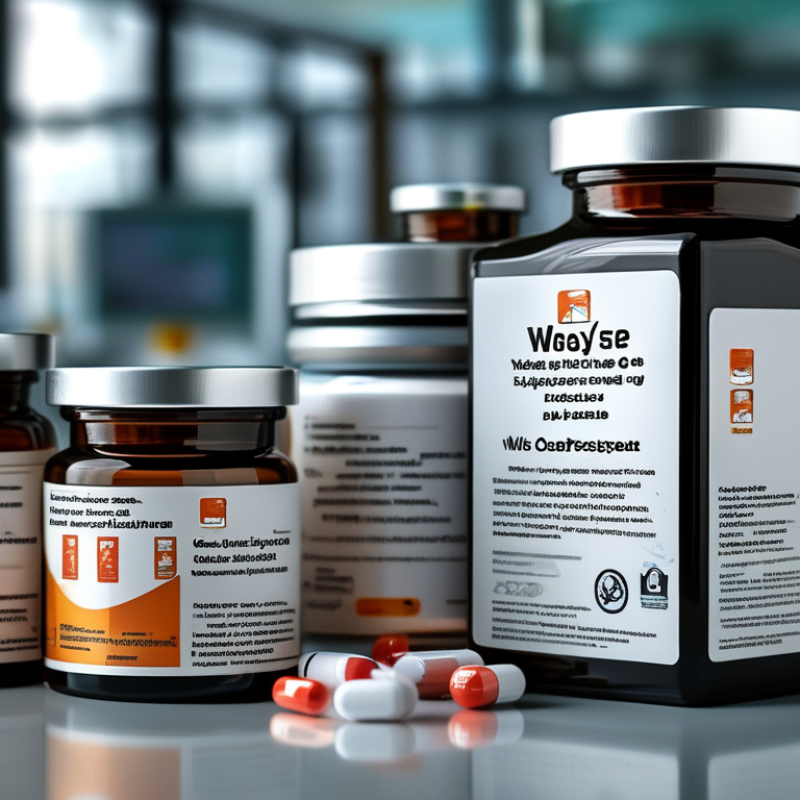
Pharmaceutical packaging plays a crucial role in the healthcare industry. It encompasses the components used to contain and protect medicinal products. These components include primary packaging, which directly holds the drug, and secondary packaging, which provides additional protection and information. There are also elements like labels, seals, and inserts that enhance usability and safety.
The materials used in pharmaceutical packaging must meet strict regulatory standards. Common materials are glass, plastic, and aluminum. Each material has unique properties that impact the drug's stability and integrity. For example, glass is inert and protects against moisture. However, it can break easily, posing a risk during transport. Suppliers must ensure that packaging materials are compatible with the product and that they do not interact negatively.
Design is another important aspect. It influences user experience and compliance. Clear labeling can prevent medication errors. However, many packages struggle to balance aesthetics with functionality. Additionally, sustainability is increasingly valued, pushing companies to rethink their packaging choices. This creates challenges in providing reliable protection while being environmentally responsible. Each detail matters, and every decision requires careful consideration.
Pharmaceutical packaging plays a crucial role in ensuring drug safety and efficacy. According to a 2022 report by the World Health Organization, improper packaging contributes to 10% of medication errors. These errors can lead to severe health consequences for patients. Thus, effective packaging must protect against contamination, provide tamper-evidence, and ensure proper dosage delivery.
Packaging must also facilitate adherence. A study published in the Journal of Pharmaceutical Sciences found that 40% of patients forget to take their medication due to complex packaging. Clear labeling and user-friendly designs can help address this issue. Failures in packaging design can lead to noncompliance, undermining the treatment's effectiveness. Furthermore, child-resistant features are vital. Statistics show that improper packaging is linked to accidental poisonings in children under five, highlighting the need for safety measures.
Despite advancements, challenges remain. Over 50% of all pharmaceutical packaging still lacks adequate information on storage and usage. Continuous improvement in packaging standards is essential. Collaboration among manufacturers, healthcare providers, and regulatory bodies can create safer, more effective packaging solutions. This can ultimately enhance patient safety and ensure that drugs deliver their intended benefits.
Pharmaceutical packaging plays a crucial role in ensuring medication safety and efficacy. Various materials are utilized to preserve, protect, and deliver pharmaceuticals. Primary packaging types include glass, plastics, blisters, and pouches. Each material has specific uses based on the drug's nature and storage requirements.
Glass packaging is preferred for its inert nature. It does not react with the drug, thus maintaining stability. A report from Grand View Research indicates that the global glass packaging market in pharmaceuticals is expected to reach USD 30 billion by 2027. Plastic materials, like HDPE and PET, are lightweight and versatile. They are commonly used for oral medications and syringes, often favored for their cost-effectiveness.
Blister packs are widely used for unit dose medications. They provide an excellent barrier against moisture and light. According to a market analysis by Technavio, the blister packaging sector in pharmaceuticals will grow at a CAGR of 5% through 2024. Flexible pouches are also gaining popularity, particularly for sterile products, due to their space-saving benefits and ease of transportation. However, these materials can sometimes compromise shelf life if not properly sealed or handled. Balancing cost, safety, and efficacy in pharmaceutical packaging remains a challenge for manufacturers.
| Type of Packaging Material | Description | Common Uses |
|---|---|---|
| Glass Vials | Rigid containers made of glass for liquid pharmaceuticals. | Injectables, vaccines, and sensitive medications. |
| Plastic Bottles | Lightweight and versatile containers made of various plastics. | Liquid medicines, oral solutions, and tablets. |
| Blister Packs | Pre-formed plastic packaging with cavities to hold medication. | Tablets and capsules to protect from moisture and contamination. |
| Syringes | Used to inject liquid pharmaceuticals directly into the body. | Vaccinations, insulin delivery, and other injectable medications. |
| Foil Packs | Sealed packaging made of aluminum or metallic foil. | Powdered drugs, tablets, and moisture-sensitive products. |
Regulatory standards play a crucial role in pharmaceutical packaging. They ensure that products are safe and effective for consumers. Various organizations, such as the FDA and EMA, set these standards. Compliance is mandatory for manufacturers. Non-compliance can lead to severe consequences, including product recalls.
Pharmaceutical packaging must protect against contamination and degradation. According to a report by Smithers Pira, nearly 40% of pharmaceutical products experience quality issues due to inadequate packaging. Standards focus on materials, labeling, and design. Packaging must facilitate proper storage and provide essential information. If the packaging fails, the entire batch could become compromised.
One potential oversight in the industry is the lack of uniformity in regulations across countries. While some regions have stringent rules, others may not be as strict. This inconsistency can confuse manufacturers. They must navigate multiple regulatory environments. This challenge highlights the importance of staying informed about global standards. Understanding variations helps prevent costly mistakes in packaging design and compliance.
The future of pharmaceutical packaging is evolving rapidly. Innovations are driven by the need for increased safety and patient compliance. Smart packaging solutions, such as QR codes and NFC (Near Field Communication) technology, empower patients with real-time information. These technologies allow consumers to verify the authenticity of their medications easily.
Sustainability is also a significant trend. Manufacturers are exploring eco-friendly materials to reduce their carbon footprint. Biodegradable plastics and recyclable materials can help address environmental concerns. However, this shift poses challenges in maintaining product integrity and shelf life. Packaging must be both eco-conscious and effective, creating a delicate balance.
Moreover, customization is on the rise. Personalized packaging can enhance patient engagement by catering to individual needs. However, the need for standardization remains crucial to ensure quality and safety. As the industry progresses, the focus will be on integrating advanced technologies while addressing these practical limitations.
| Cookie | Duration | Description |
|---|---|---|
| cookielawinfo-checkbox-analytics | 11 months | This cookie is set by GDPR Cookie Consent plugin. The cookie is used to store the user consent for the cookies in the category "Analytics". |
| cookielawinfo-checkbox-functional | 11 months | The cookie is set by GDPR cookie consent to record the user consent for the cookies in the category "Functional". |
| cookielawinfo-checkbox-necessary | 11 months | This cookie is set by GDPR Cookie Consent plugin. The cookies is used to store the user consent for the cookies in the category "Necessary". |
| cookielawinfo-checkbox-others | 11 months | This cookie is set by GDPR Cookie Consent plugin. The cookie is used to store the user consent for the cookies in the category "Other. |
| cookielawinfo-checkbox-performance | 11 months | This cookie is set by GDPR Cookie Consent plugin. The cookie is used to store the user consent for the cookies in the category "Performance". |
| viewed_cookie_policy | 11 months | The cookie is set by the GDPR Cookie Consent plugin and is used to store whether or not user has consented to the use of cookies. It does not store any personal data. |