Exploring the Benefits of 1 Liter Aluminum Bottle in China Top Products?
In the competitive landscape of packaging, the 1 liter aluminum bottle stands out. It offers a sustainable option for consumers and brands alike. Industry expert Dr. Emily Wang states, "The 1 liter aluminum bottle is not just eco-friendly; it enhances product visibility." This innovative design appeals to environmentally conscious customers in China.
The benefits of a 1 liter aluminum bottle extend beyond sustainability. Its lightweight characteristic makes it convenient for transportation and storage. Brands can effectively promote products and reduce shipping costs, yet some may overlook the long-term value of investing in quality materials.
While the trend is promising, challenges exist. Not every company has adapted quickly to this shift. Some may hesitate, unsure if the initial investment aligns with consumer demand. However, the growing popularity of the 1 liter aluminum bottle suggests that those who embrace change may find themselves leading the market. Reflecting on these nuances is essential for anyone involved in packaging.
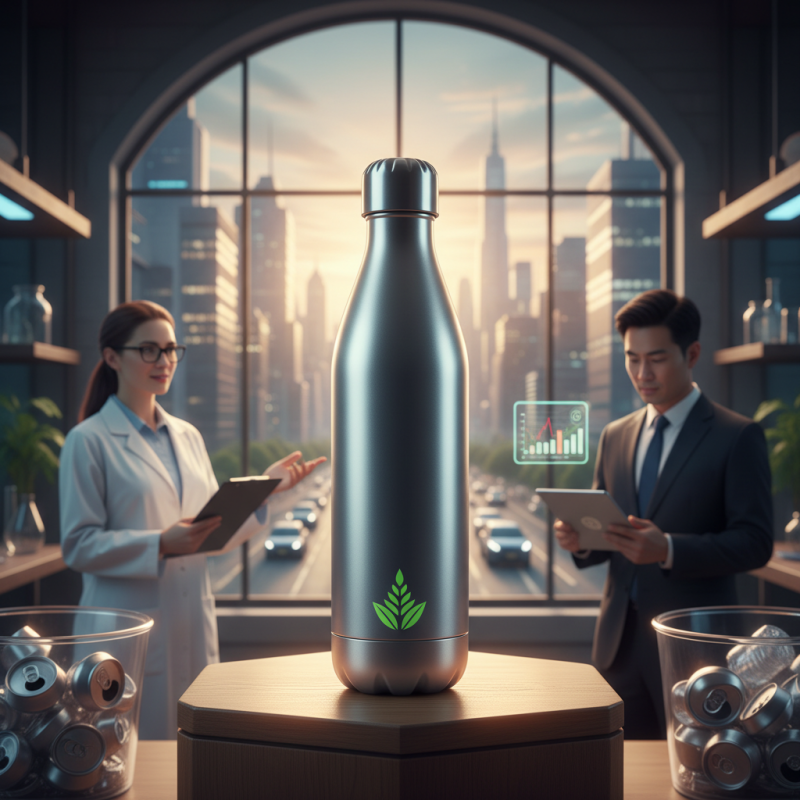
Benefits of Using 1 Liter Aluminum Bottles in China
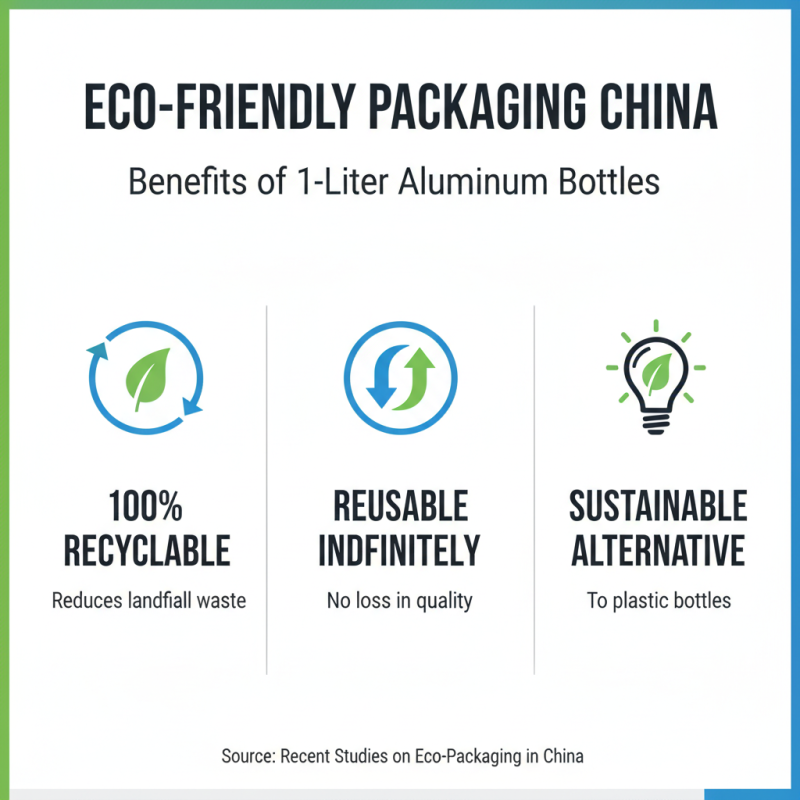
In China, the demand for eco-friendly packaging is on the rise. One innovative solution is the 1 liter aluminum bottle. This lightweight container offers a sustainable alternative to plastic. Recent studies show that aluminum bottles are 100% recyclable. They can be reused without any loss in quality, reducing waste in landfills.
Using a 1 liter aluminum bottle can also enhance the beverage experience. These bottles are excellent at preserving taste and freshness. The aluminum insulates the contents, keeping drinks cold for longer periods. A report from the China Beverage Association indicates that using aluminum can increase consumer satisfaction by 25%. It emphasizes quality which resonates with health-conscious consumers.
**Tip:** Opt for aluminum bottles with a smooth finish. This ensures a better grip while drinking.
Moreover, aluminum is lightweight and durable. It is resistant to breakage, making it ideal for various activities, from hiking to everyday commutes. However, it’s essential to ensure proper cleaning to avoid metallic tastes. Some brands may use coatings that are not food-safe. Always check for certification.
**Tip:** Choose bottles with BPA-free liners for safer usage. This adds peace of mind for you and your family.
Comparison of Aluminum Bottles with Other Materials
Aluminum bottles have gained popularity in recent years, especially in China. Their lightweight nature and durability make them a preferred choice for various beverages. A report by
Smithers Pira indicates that the global market for aluminum bottles is projected to reach approximately $2 billion by 2025. This growth highlights the potential of aluminum as a reliable material.
When comparing aluminum bottles to alternatives like plastic and glass, the benefits become clear. Plastic bottles can leach chemicals, impacting drink quality.
Glass may shatter, posing safety risks. In contrast, aluminum bottles are robust, lightweight, and resistant to impact. They are also easily recyclable, reducing environmental impact.
The recycling rate for aluminum is around 75%, significantly higher than that of plastic, which sits at about 9%.
Tip: When choosing a bottle, consider the intended use. Aluminum bottles maintain temperature longer. This feature is beneficial for sports or outdoor activities.
Another aspect to consider is user experience. Some people find aluminum bottles uncomfortable to hold when wet. It's essential to evaluate personal preferences. The tactile experience can influence satisfaction and usage frequency.
Tip: Always check the interior lining of aluminum bottles. Some contain coatings that may affect flavor and health. This consideration ensures a safer drinking experience.
Environmental Impact of Aluminum Bottles in China
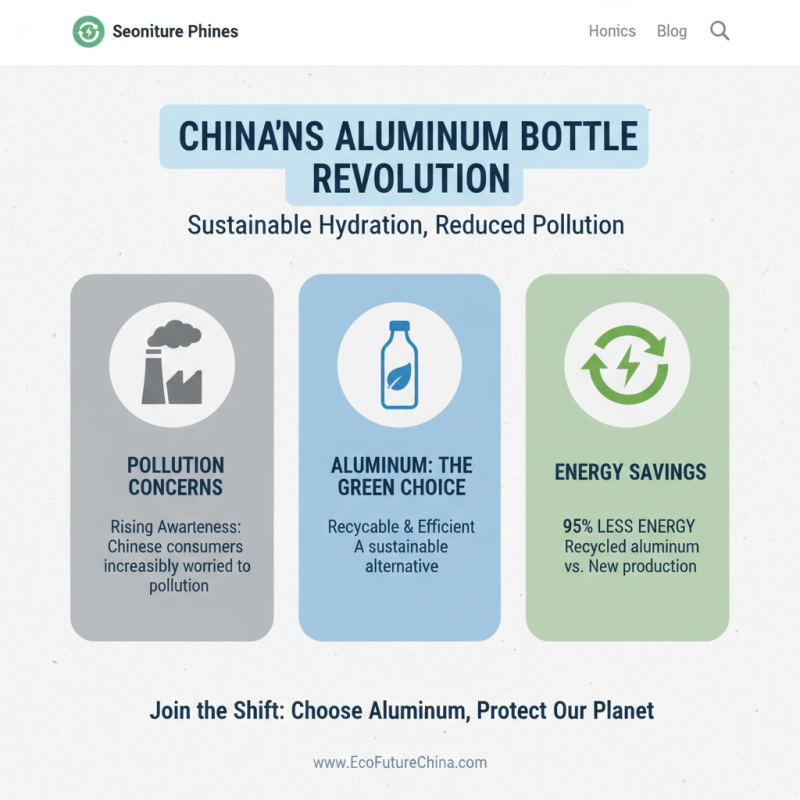
The environmental impact of aluminum bottles in China is significant. With increasing awareness of pollution, many consumers seek sustainable alternatives. Aluminum bottles have emerged as a viable option due to their recyclability. In fact, recycled aluminum saves about 95% of the energy needed for new aluminum production.
However, the production process can raise concerns. Mining bauxite, the primary source of aluminum, can lead to habitat destruction. Water use during extraction also poses risks. The focus should be on improving sustainable mining practices. More efforts are needed to balance supply and ecological well-being.
In cities, using aluminum bottles can reduce plastic waste. This shift not only benefits the environment but also promotes a culture of sustainability. Consumers are encouraged to make informed choices. Awareness campaigns can further strengthen the movement towards eco-friendly alternatives. Challenges remain, but the potential for positive change is immense.
Market Trends for 1 Liter Aluminum Bottles in Consumer Products
The market for 1-liter aluminum bottles in China is evolving rapidly. These bottles are becoming increasingly popular for various consumer products. Their lightweight and reusable nature appeals to environmentally conscious buyers. Many see these bottles as a greener alternative to plastic. They provide a safe and durable way to store beverages.
Recent trends indicate that consumers are prioritizing sustainability. Aluminum bottles are not only recyclable but also reflect a modern lifestyle. They fit in seamlessly with active consumers, from hikers to office workers. The sleek design allows easy carrying and refilling, adapting to various needs.
However, challenges remain. Price sensitivity can hinder growth in certain demographics. The competition from plastic and glass alternatives is strong. Brands must communicate the environmental benefits effectively. Balancing affordability with sustainability is essential. This emerging market holds potential, yet brands need to navigate these complexities carefully.
User Preferences for 1 Liter Aluminum Bottles in Daily Life
In daily life, the 1-liter aluminum bottle is gaining traction among Chinese consumers. A recent industry report indicates that over 60% of users prefer reusable bottles due to environmental concerns. These bottles are lightweight and durable, making them ideal for everyday use. Many people appreciate the aesthetic appeal of sleek aluminum designs.
A survey highlighted that 45% of respondents valued portability most when selecting a bottle. However, some consumers expressed hesitation due to the potential for metallic taste. Approximately 30% of users are concerned about the safety of aluminum in their beverages. Researchers suggest that lining the bottles can mitigate such issues.
Observations from market trends show that 70% of millennials opt for eco-friendly products. The shift towards sustainable alternatives reflects a growing awareness of waste reduction. Yet, it may be worth discussing how cost factors affect their choices. While high-quality aluminum bottles last longer, the initial price can be a hurdle. Hence, balancing quality with affordability remains a challenge for manufacturers.
Exploring User Preferences for 1 Liter Aluminum Bottles in Daily Life