China Best Aluminum Bottles for Global Buyers in 2026?
As the demand for sustainable products grows, aluminum bottles are becoming increasingly popular. In 2026, global buyers will seek reliable sources for these eco-friendly packaging solutions. Aluminum bottles offer numerous advantages over plastic, including recyclability and durability. They are lightweight yet strong, making them ideal for various drinks and products.
China is emerging as a key player in the aluminum bottle market. The country's advanced manufacturing capabilities ensure high-quality production. Moreover, competitive pricing attracts international buyers. However, not all suppliers meet the same standards. Buyers should research manufacturers carefully to avoid issues like subpar quality or long delivery times.
While many manufacturers boast great products, actual experiences can vary. It's essential to verify certifications and quality control processes. Engaging with suppliers directly can help build trust. In a world shifting toward sustainability, sourcing the right aluminum bottles is vital for brands aiming to make a positive impact.
Overview of the Global Aluminum Bottle Market in 2026
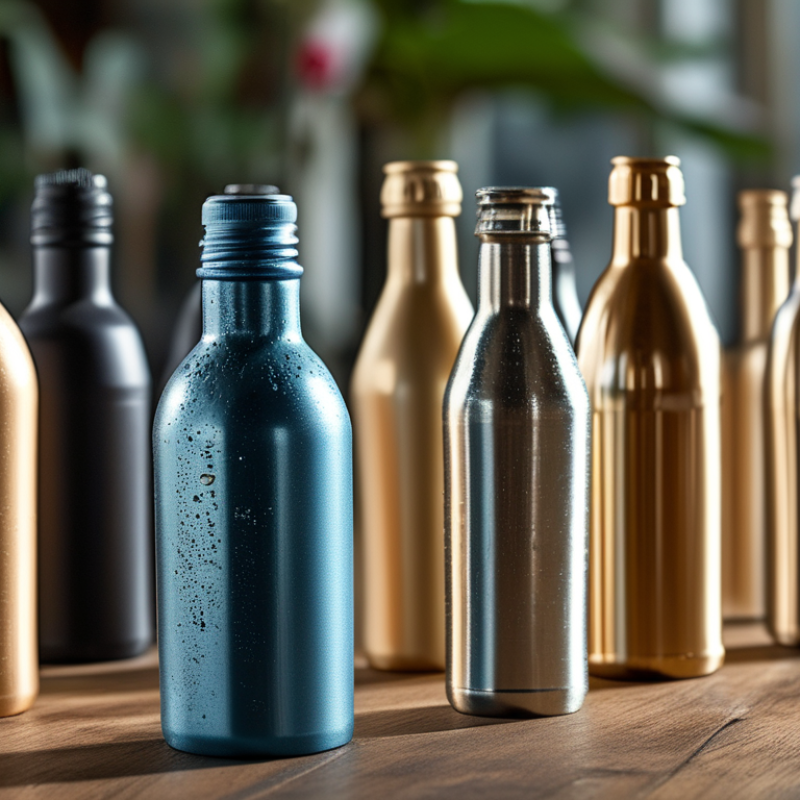
The global aluminum bottle market is poised for significant growth in 2026. A blend of eco-friendliness and practicality drives this demand. Consumers are increasingly choosing lightweight and recyclable packaging. This shift is fueled by concerns over plastic waste and sustainability. Aluminum bottles are not just practical; they also provide an appealing aesthetic to products.
In numerous markets, brands are exploring innovative designs. They enhance visual appeal and improve functionality. However, challenges remain. Not all aluminum bottles are created equal. Manufacturers must ensure quality and safety standards. Issues related to production costs and material sourcing are also critical. Companies need to navigate these dynamics carefully.
The preference for aluminum reflects changing consumer attitudes. They seek products that align with their values. Brands that fail to adapt risk losing market relevance. As the landscape evolves, understanding these trends will be essential. The future of the aluminum bottle market holds great promise, but uncertainties must be addressed.
Key Trends Influencing Aluminum Bottle Design and Functionality
The aluminum bottle market is evolving rapidly. Several key trends influence both design and functionality. Eco-friendliness remains a priority for consumers. Many prefer lightweight, recyclable materials. This demand pushes manufacturers to innovate and improve sustainability measures.
Functionality is essential. Bottles with ergonomic designs enhance user experience. Easy-grip shapes and integrated carrying features are on the rise. Added functionalities, such as built-in straws or infusers, appeal to health-conscious buyers. Customization is another growing trend. Consumers want personalization options that cater to their unique preferences.
Yet, challenges exist. Not all manufacturers prioritize quality. Some products may lack durability or leak-proof features. As buyers become more discerning, the market must adapt. Producers must focus on reliability while still offering innovative designs. Balancing aesthetics and practicality is no easy task. The landscape for aluminum bottles is competitive, but opportunities abound for those who prioritize user needs.
China Best Aluminum Bottles for Global Buyers in 2026 - Key Trends Influencing Aluminum Bottle Design and Functionality
| Feature |
2023 Standard |
2026 Trend |
Influence Factor |
| Material Quality |
Standard aluminum |
Recyclable aluminum alloys |
Sustainability awareness |
| Design Flexibility |
Basic designs |
Customizable aesthetics |
Consumer personalization trends |
| Closure Types |
Screw caps |
Sports caps & flip tops |
Convenience in use |
| Insulation Properties |
Basic insulation |
Advanced double-wall insulation |
Health and fitness focus |
| Size Options |
Standard sizes |
Varied capacity options |
Diverse consumer needs |
Top Manufacturers of Aluminum Bottles in China for Export in 2026
China has emerged as a leading manufacturer of aluminum bottles for global markets. In 2026, the demand for these bottles continues to grow. Numerous factories across China specialize in producing lightweight, durable, and eco-friendly aluminum bottles. This trend aligns with the global shift toward sustainable materials.
Choosing a reliable manufacturer is crucial. Many factories offer customization, which is beneficial for branding. However, not all suppliers guarantee quality. Verifying certifications is essential. Look for ISO certifications or other quality assurances that demonstrate experience and expertise.
Tips: When evaluating manufacturers, request samples. This helps assess the quality of their products. Check their production capacity to ensure they can meet your needs. Finally, consider their export experience. A factory with a solid track record can provide peace of mind.
Sustainability and Eco-Friendly Practices in Aluminum Bottle Production
Aluminum bottles have gained significant attention in recent years for their eco-friendly attributes. In 2026, global buyers will search for sustainable options. Aluminum is 100% recyclable, reducing waste in landfills and conserving resources. The production process can be energy-intensive, which raises concerns. Companies must adopt cleaner energy sources to minimize their carbon footprint.
Sustainability in aluminum bottle production goes beyond recycling. Many manufacturers are exploring innovative techniques to reduce material usage. Lightweight designs save aluminum and reduce shipping emissions. Water-based inks and eco-friendly coatings also contribute to greener practices. However, the transition is not always flawless. Some manufacturers still rely on traditional methods, complicating the sustainable narrative.
Consumer awareness plays a crucial role in driving change. Shoppers increasingly prefer eco-friendly products and demand transparency. Brands must share their sustainability efforts with customers. They must address shortcomings and strive for continuous improvement. In a rapidly evolving market, real commitment to eco-friendly practices will set successful brands apart.
China Best Aluminum Bottles for Global Buyers in 2026
This chart displays the estimated market share of various types of aluminum bottles based on sustainability factors and eco-friendly practices. The data reflects trends and demands expected in 2026.
Consumer Preferences and Market Demands for Aluminum Bottles in 2026
As we approach 2026, consumer preferences around aluminum bottles are rapidly evolving. Reports indicate a significant shift towards eco-friendly packaging. A recent study highlighted that more than 70% of consumers prefer brands that prioritize sustainability. This preference drives manufacturers to innovate and enhance the functionality of aluminum bottles. A focus on lightweight design and durability is becoming a common theme among future products.
Market demands are also reflecting changes in lifestyle. Health-conscious buyers are leaning towards reusable options. Approximately 60% of consumers see aluminum bottles as a healthier alternative to plastic. This trend suggests a need for brands to address safety and hygiene concerns. While aluminum bottles prevent leaching of harmful substances, many customers still question their long-term effects on health. Understanding these concerns is crucial for brands aiming to capture this growing market.
Despite the favorable trends, challenges remain. The balance between affordability and sustainability needs attention. Reports show that while eco-friendly materials are in demand, cost remains a barrier for many consumers. Additionally, the recycling rate of aluminum bottles needs improvement globally. Addressing these issues while meeting consumer expectations will be a key focus for manufacturers in the upcoming years.