What Is an Aerosol Can Manufacturer in the USA?

What Is an Aerosol Can Manufacturer in the USA? The answer reaches far beyond a factory filled with metal sheets and pressing machines. Aerosol can manufacturers in usa design, form, decorate, test, and supply containers for everyday products. These products may include personal-care items, household cleaners, food applications, and industrial maintenance products.

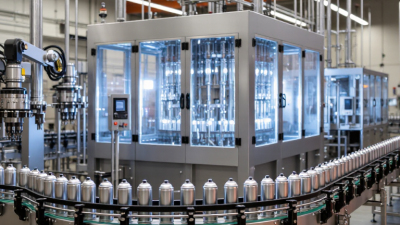
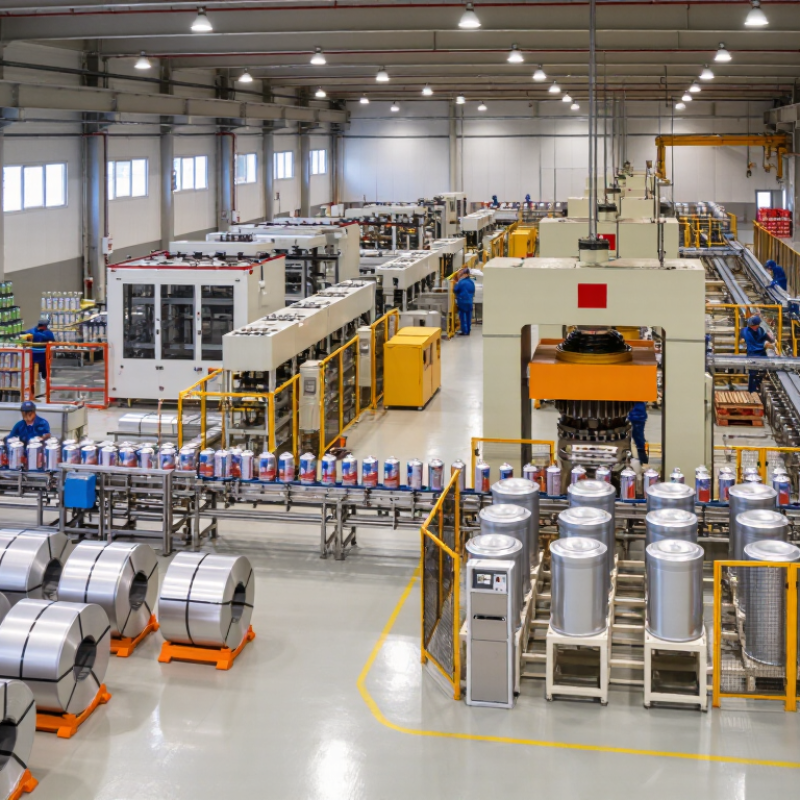
A typical facility begins with carefully specified steel or aluminum coils. Large presses shape the body, while precision equipment forms the neck and dome. Internal coatings help protect the container from its contents. Printing lines add brand colors, instructions, batch details, and recycling information. Every stage demands control. Small defects can affect sealing, pressure resistance, or shelf life.

Robert Budway, president of the Can Manufacturers Institute, has said, “Steel cans are the most recycled packaging in the world.” That statement highlights one important responsibility for aerosol can manufacturers in usa: material performance should support responsible recovery. However, recycling alone does not prove that a manufacturer operates well. The company must also demonstrate traceable materials, documented inspections, trained employees, and consistent testing.

The details matter.

Manufacturers evaluate dimensions, coating adhesion, valve compatibility, leak resistance, and resistance to transportation stress. They also follow applicable safety and packaging requirements. A polished production line may look impressive. It is not enough. Reliable suppliers explain their testing methods and communicate limitations honestly. That is where this topic becomes more complicated, and more useful. A manufacturer is not merely selling a can. It is helping brands protect products, users, and the environment through every stage of the container’s life.
What Is an Aerosol Can Manufacturer in the USA?

Definition and Role of an Aerosol Can Manufacturer in the USA

What Is an Aerosol Can Manufacturer in the USA?

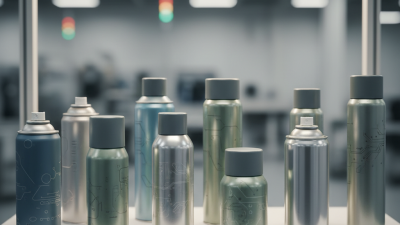
An aerosol can manufacturer in the USA produces pressure-resistant containers for controlled product dispensing. Its work includes metal forming, internal coating, valve fitting, crimping, filling, and leak testing. Common applications include personal care, household maintenance, food, and industrial products. The manufacturer must match can diameter, wall strength, valve performance, and spray behavior. Small errors matter. A weak seam can create serious safety risks.

The role extends beyond physical production. A capable manufacturer helps customers select steel or aluminum, test compatibility, and improve packaging efficiency. It also maintains documented quality systems and follows applicable U.S. packaging, pressure, labeling, and environmental requirements. The U.S. Environmental Protection Agency identifies aerosol cans as a regulated waste stream under its universal waste framework. That detail influences collection, recycling, and end-of-life planning.

Market data shows why this role remains important. Grand View Research valued the global aerosol cans market at approximately $11.4 billion in 2023. It projects continued growth through 2030, supported by personal care and household demand. Smithers’ aerosol packaging outlook emphasizes lightweighting, recyclable materials, and improved dispensing performance. These priorities sound straightforward, but they can conflict. Thinner metal may reduce material use, yet it can narrow the safety margin. In practice, responsible manufacturers balance cost, performance, testing evidence, and real production experience. No design is perfect. A careful review can still reveal overlooked weaknesses.

Key Materials Used in American Aerosol Can Production

What Is an Aerosol Can Manufacturer in the USA?

Key Materials Used in American Aerosol Can Production

An aerosol can manufacturer in the USA turns formed metal into a sealed, pressurized package. Material selection affects strength, weight, corrosion resistance, and product compatibility. Aluminum is widely used because it is lightweight, smooth, and naturally resistant to rust. Its clean surface also supports high-quality printing and shaping.

Tinplate steel remains valuable for products requiring strong walls and reliable pressure performance. It usually contains a steel body with a thin protective tin layer. Internal coatings help separate the formula from the metal. Without that barrier, moisture or acidic ingredients may cause corrosion. This detail is easy to overlook. It should not be.

Other important materials include polymer gaskets, plastic actuator parts, and metal valves. Gaskets must remain flexible during storage and use. Their performance can change with oils, solvents, temperature, and filling pressure. Manufacturers therefore compare materials with the intended formula before production. Compatibility testing may include heat exposure, leakage checks, and extended storage observations.

The propellant also influences can design, although it is not part of the metal container itself. Pressure calculations guide wall thickness, valve selection, and crimping methods. American production facilities typically combine supplier certificates, dimensional inspections, and pressure testing. These controls support dependable packaging under applicable safety requirements. Still, no material choice is perfect. A lighter can may reduce shipping weight, but it can demand tighter process control.

What Is an Aerosol Can Manufacturer in the USA? – Key Materials Used in American Aerosol Can Production

Material choices vary according to product chemistry, internal pressure, container size, filling method, and applicable U.S. regulatory requirements. Exact specifications are established through engineering and compatibility testing.
Can Component or Material Typical Composition Primary Function Important Technical Characteristics Common Aerosol Applications Recycling and Compliance Considerations
Tinplate Steel Can Body Low-carbon steel sheet coated with a thin layer of tin; many cans use a three-piece construction with a welded side seam. Provides a strong, pressure-resistant container for the product and propellant. High mechanical strength, good dimensional stability, and compatibility with a wide range of personal-care, household, and industrial formulations when properly lined. Shaving products, air fresheners, surface cleaners, paints, lubricants, and other general-purpose aerosols. Widely recyclable
Must be completely empty and handled according to local recycling and household hazardous-waste guidance.
Aluminum Can Body Impact-extruded or drawn-and-ironed aluminum, commonly produced as a seamless two-piece container. Forms a lightweight, corrosion-resistant pressure vessel with a smooth exterior. Low weight, excellent surface finish, seamless construction, and strong resistance to many corrosive environments; internal coatings may still be required. Personal-care products, deodorants, premium packaging, pharmaceutical products, and selected household aerosols. Highly recyclable
Aluminum can be recycled repeatedly, but residual contents and mixed components may affect sorting and processing.
Internal Protective Coating Organic lining systems such as epoxy-phenolic, polyester, or other formulation-specific coatings. Separates the formulation from the metal and helps prevent corrosion, staining, odor transfer, and product contamination. Must be tested against the concentrate, water content, acids, solvents, fragrances, salts, and propellants used in the formulation. Water-based cleaners, personal-care formulations, food-related products, pharmaceutical aerosols, and solvent-containing products. Coating selection is part of container-compatibility validation; it should not be assumed that one lining suits every formulation.
Valve Cup and Valve Components Commonly aluminum or tinplate steel for the mounting cup, with polymer, metal, and elastomer components in the valve assembly. Seals the can, controls product release, and connects the actuator to the dip tube and internal product path. Requires controlled crimp dimensions, leak resistance, chemical compatibility, and reliable operation over the product's intended shelf life. Continuous-spray, metered-dose, foam, mousse, and other aerosol delivery systems. Material selection depends on formulation and propellant compatibility; valve parts are usually separated during metal recycling.
Actuator and Overcap Usually injection-molded polypropylene or polyethylene; some designs may use other polymers or metal parts. The actuator directs the spray, foam, or stream, while the overcap protects the actuator and helps prevent accidental discharge. Designed for controlled spray geometry, ergonomic use, impact resistance, and secure fit on the valve. Personal-care, household, automotive, and industrial aerosol products. Polymer recycling varies
Recyclability depends on the local program, polymer identification, color, additives, and separation from the metal container.
Dip Tube Typically polyethylene or polypropylene; specialized systems may use other compatible polymers. Extends into the can and transports liquid product to the valve. Requires suitable flexibility, dimensional stability, clean internal surfaces, and resistance to solvents or concentrated ingredients. Most liquid-based aerosols, including cleaners, cosmetics, lubricants, and pharmaceutical products. Usually remains attached to the valve and is not separately recovered in standard consumer recycling systems.
Hydrocarbon Propellants Liquefied petroleum gases, primarily propane, n-butane, and isobutane, used alone or in blends. Creates pressure inside the can and helps atomize or expel the formulation. Flammable; vapor pressure changes with temperature and blend composition, so container design and filling limits are critical. Personal-care products, household products, paints, lubricants, and industrial aerosols where flammability is acceptable. Requires flammable-material controls, compliant labeling, safe filling equipment, ventilation, and ignition-source management.
Dimethyl Ether (DME) Liquefied dimethyl ether used as a propellant and, in some formulations, as a solvent. Provides pressure and can support delivery of water-based or solvent-containing formulations. Flammable and chemically active toward some materials; compatibility with the formulation, lining, valve, and seals must be verified. Selected personal-care, household, coating, and technical aerosol products. Requires flammable-gas handling procedures and packaging designed for the specific pressure and formulation conditions.
Compressed Gas Propellants Nitrogen, carbon dioxide, or compressed air, depending on the product and dispensing requirements. Uses stored gas pressure to expel the product without a liquefied propellant. Pressure decreases as the can is used; spray performance depends on gas solubility, product viscosity, package geometry, and valve design. Some food, pharmaceutical, personal-care, and technical products. Nonflammability depends on the selected gas and formulation; the filled package remains a pressurized container and requires proper disposal.
Formulation Concentrate May include water, alcohols, solvents, oils, surfactants, fragrances, active ingredients, or suspended solids. Delivers the intended cleaning, cosmetic, protective, medicinal, or industrial function. Its pH, polarity, solids content, viscosity, and chemical reactivity determine the required metal, lining, valve, seal, and propellant combination. Cleaning products, cosmetics, pharmaceutical products, paints, food products, lubricants, and specialty industrial products. Requires product-specific stability, leakage, corrosion, spray-performance, and shelf-life testing before commercial filling.
Seam and Crimp Sealing Materials Welded or mechanically joined metal seams, plus elastomeric gaskets and seals in the valve and closure system. Maintains package integrity and prevents loss of product or propellant. Performance depends on seam quality, crimp dimensions, gasket compression, temperature exposure, and chemical compatibility. All pressurized aerosol formats, including steel and aluminum packages. Manufacturers conduct leak testing and process controls; damaged, leaking, or partially full cans require special handling rather than normal recycling.

Step-by-Step Process of Manufacturing Aerosol Cans

What Is an Aerosol Can Manufacturer in the USA?

Step-by-Step Process of Manufacturing Aerosol Cans

An aerosol can manufacturer in the USA begins with carefully inspected aluminum or steel coils. Technicians check thickness, surface marks, and metal strength before production starts. Small flaws matter. The coil is slit into narrower strips for the forming line. Presses then cut circular blanks and shape them into shallow cups. Deep drawing extends each cup into a tall, seamless body. In some facilities, ironing reduces wall thickness while maintaining strength.

The formed cans are trimmed to a precise height. Their interiors are washed, dried, and coated when the product requires extra protection. The coating must cover the metal evenly, especially near the base and shoulder. After curing, printing equipment applies measurements, instructions, and legally required safety information. Registration errors can still appear, so operators inspect samples under bright lighting.

Next, machines narrow the can opening and create a flange for the valve assembly. Automated gauges measure diameter, height, wall thickness, and roundness. Pressure and leak tests help identify weak seams or damaged coatings. Quality teams also examine batch records and retain sample cans for reference. A reliable manufacturer controls humidity, line speed, and curing temperature throughout production. The process looks highly automated, but human judgment remains important. One missed scratch can reveal a deeper problem. Rechecking is slower, yet it prevents avoidable failures.

Safety, Quality, and Regulatory Standards in the United States

What Is an Aerosol Can Manufacturer in the USA?

Safety, Quality, and Regulatory Standards in the United States

An aerosol can manufacturer in the USA produces metal containers for controlled product dispensing. Some facilities make empty cans, while others also fill and package them. The work requires engineering, testing, and careful process control.

Safety comes first. Engineers test internal pressure, leakage, valve performance, seam strength, and corrosion resistance. They also check whether the can material suits the formula inside. Small defects matter. A weak seam can create serious risks during storage or transport. Workers follow documented procedures, use protective equipment, and maintain clean production areas. Training records and equipment inspections support reliable operations.

Quality depends on traceability. Manufacturers should record material batches, production settings, inspections, and test results. They must also consider United States requirements from agencies such as OSHA, the Department of Transportation, the Environmental Protection Agency, and the Food and Drug Administration when applicable. Requirements vary by product, packaging use, labeling, and transportation conditions. Good documentation helps prove compliance. It also helps locate problems quickly.

No process is flawless. A checklist can miss an unusual defect, especially during busy production periods. Experienced teams review failures honestly and improve their controls. Customers should ask about testing methods, quality certifications, facility practices, and corrective-action records. Clear answers usually reveal more than polished claims.

Major Industries Served by U.S. Aerosol Can Manufacturers

What Is an Aerosol Can Manufacturer in the USA?

A U.S. aerosol can manufacturer produces containers designed to hold pressurized products safely. The work involves more than shaping aluminum or steel. Engineers match the can body, valve, actuator, and coating to the product inside. They also check pressure resistance, seam quality, corrosion protection, and dimensional accuracy. Small errors can cause leakage or poor spray performance.

Major Industries Served by U.S. Aerosol Can Manufacturers

Personal care companies use aerosol cans for hair styling products, shaving foam, deodorants, and skin-care sprays. These applications require clean surfaces, reliable valves, and consistent spray patterns. Household cleaning manufacturers need cans that resist chemical interaction. Their products may contain solvents, surfactants, or concentrated fragrances.

Automotive and industrial suppliers use aerosol packaging for lubricants, protective coatings, cleaners, and maintenance treatments. These products often face hot storage areas, vibration, and rough handling. Can manufacturers may adjust wall thickness, internal coatings, and actuator design for these conditions. Paint and coating producers also depend on controlled spray output. A narrow spray can support detailed work, while a wider pattern covers larger surfaces.

Medical and personal wellness applications require tighter controls. Manufacturers must document materials, production checks, and filling compatibility. Food-related packaging demands similar care, especially when contact materials need specific approval. Testing is essential.

Not every design decision is perfect. A stronger can may increase material use and shipping weight. A lighter can may need more testing. Manufacturers continue refining this balance through production data, customer feedback, and repeated inspection.