Top Types of Aluminum Drinking Bottles for Wholesale Buyers

Wholesale buyers need more than a bottle that looks good in a product photo. The right aluminum drinking bottles should match the intended use, price point, and shipping plan. A lightweight single-wall bottle may suit event giveaways or everyday hydration, while a double-wall insulated design can keep drinks cooler for longer. Insulation also adds weight, cost, and bulk. Trade-offs matter.

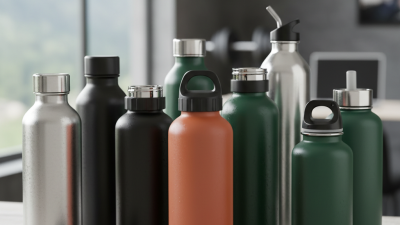
This guide introduces the main bottle types buyers may encounter, including sport-cap, screw-top, straw-lid, and customizable designs. Each option brings practical details to check. Look at capacity, bottle-mouth width, cap fit, surface finish, and carton dimensions. A narrow opening can make cleaning harder; a loose cap can create problems during transport. Small details, real consequences.

Material descriptions alone are not enough to judge a supplier or product. Request samples, compare the finish under ordinary use, and check how closures perform after repeated opening and closing. Ask for clear specifications and relevant product documentation. Results can vary between designs and batches, so verify details for the exact model being ordered. One sample is useful, but not perfect evidence.

There is no single best type for every wholesale order. A premium insulated bottle may be a poor fit for a low-cost promotion, while a basic model may disappoint customers expecting all-day temperature retention. The sections ahead explain these differences, helping buyers compare features, costs, and use cases before choosing a product range. Real-world testing still matters.
Top Types of Aluminum Drinking Bottles for Wholesale Buyers

How Aluminum Drinking Bottles Are Classified

Aluminum drinking bottles are classified by construction, insulation, surface finish, and closure—not by one universal industry standard. Single-wall bottles are light and easy to carry. Double-wall models add a vacuum gap to slow temperature changes, but weigh more and cost more to ship. Some details overlap.

Manufacturing also matters. Many bottles use a seamless, impact-extruded body; others use formed components joined during production. Buyers should request the process, wall thickness, capacity, and dimensional drawings. Check the inside, too. A visible liner can affect taste protection and cleaning, while scratches or uneven coating deserve a closer inspection.

Finishes include painted, anodized, and printed surfaces. Closures range from screw caps to flip-top lids, with gasket material influencing leak resistance. These are useful purchasing categories, though suppliers may label similar designs differently. Ask for samples.

For sustainability context, the International Aluminium Institute’s 2023 report estimated a 71% global recycling rate for beverage cans, based on 2020 data. This is not a bottle-specific figure. Still, it shows why material recovery matters. Bottle recyclability depends on local systems and components, so buyers should verify the body, liner, lid, and packaging separately. A catalog description alone may miss those differences.

Single-Wall and Insulated Aluminum Bottle Types

Single-wall and insulated bottles serve different wholesale needs. A single-wall aluminum bottle is usually lighter and easier to carry in a day bag. Its thin body suits events, outdoor promotions, and everyday hydration. It does not keep drinks hot or cold for long, and cold water may leave condensation on the surface. Simple, but useful. For bulk orders, check the rim, cap fit, and interior coating, since these details affect daily use.

Insulated aluminum bottles typically use a double-wall structure, sometimes with a vacuum between the walls. They feel sturdier and can help maintain drink temperature, though results vary with construction, lid design, and conditions. Ask suppliers for material details and test samples with hot and cold water before placing a large order. A heavier bottle is not automatically better. Compare usable capacity and grip, too; a broad body may not fit common cup holders. I would also inspect the finish closely, because small dents show quickly on smooth surfaces.

Tips: Match the bottle type to its main use. Choose single-wall designs when low weight matters most; choose insulated styles when temperature retention is a priority. Request a sample and check for leaks, sharp edges, and coating flaws. One detail is easy to miss: confirm that the advertised capacity refers to the fillable volume, not the bottle’s outer dimensions.

Top Types of Aluminum Drinking Bottles for Wholesale Buyers - Single-Wall and Insulated Aluminum Bottle Types

Bottle Type Typical Construction Common Capacity Indicative Empty Weight Temperature Performance Key Advantages Considerations for Wholesale Buyers Suitable Uses
Single-wall standard bottle One formed aluminum body with an interior coating and a screw, flip-top, or sports cap. About 400–750 ml About 80–160 g, depending on size, wall thickness, and cap Provides little insulation. The bottle quickly follows the temperature of its contents; the exterior may feel hot or cold. Lightweight, compact, and generally economical to ship. A simple construction can suit large-volume promotional or everyday-use orders. Check interior-coating specifications, cap fit, leak resistance, and care instructions. Not suitable for carbonated contents unless specifically designed and tested for them. Everyday water, events, outdoor activities, and lightweight retail assortments.
Single-wall slim or compact bottle Single-layer aluminum body with a narrower profile or smaller capacity; often paired with a screw cap or carry loop. About 250–500 ml About 60–130 g, depending on dimensions and accessories Little to no insulation; contents warm or cool with surrounding conditions. Easy to carry in many bags and suitable where a smaller serving size is preferred. Uses less material than a larger bottle of similar construction. Confirm the bottle fits intended cup holders or bag pockets, and assess opening size and ease of cleaning. Smaller capacity may not suit every end user. Travel, children’s or compact-use ranges, event giveaways, and short outings.
Double-wall vacuum-insulated bottle Two aluminum walls with an evacuated space between them; usually has a sealed cap and a more complex neck or base construction. About 400–750 ml About 250–450 g, depending on capacity, wall construction, and lid Reduces heat transfer compared with single-wall bottles. Actual hot- and cold-holding times vary by design, fill temperature, cap, and test method. Offers better temperature retention and helps reduce exterior condensation in typical use. The exterior is generally less affected by the drink temperature. Request documented performance tests, leak testing, food-contact documentation, and care instructions. Confirm whether hand-washing is required and whether the cap or seals are replaceable. Commuting, travel, outdoor use, and buyers seeking a reusable bottle for both cold and hot drinks.
Double-wall non-vacuum insulated bottle Two walls separated by an air space or another insulating layer, without a vacuum gap. About 400–700 ml About 180–350 g; construction varies considerably Usually offers less insulation than a vacuum-insulated design. Performance depends on the gap, insulating material, lid, and overall construction. Can provide a more comfortable exterior grip than a single-wall bottle while avoiding some of the complexity of vacuum construction. Ask suppliers to specify the insulation method and provide comparable temperature-retention test results. Do not assume performance based on “double-wall” wording alone. Buyers comparing mid-range insulated options for everyday cold-drink use.

Capacity and weight figures are indicative ranges for common product formats, not fixed industry standards. Specifications, materials, coatings, and performance vary by design; verify samples and test documentation before placing a wholesale order.

Common Shapes, Sizes, and Bottle Profiles

Common Shapes, Sizes, and Bottle Profiles

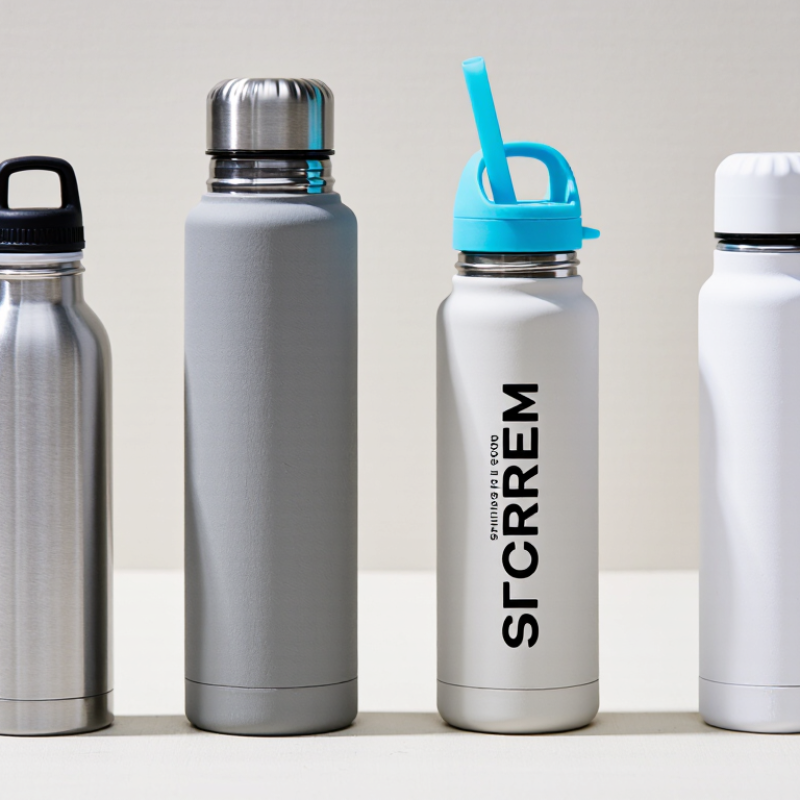
Wholesale aluminum drinking bottles usually fall into three silhouettes: straight-wall cylinders, tapered bodies, and contoured profiles with molded-in grip zones. Straight cylinders pack efficiently in cartons and leave a broad area for printed graphics. Tapered bases can slide into vehicle cup holders, but the narrower footprint may affect stability on a desk. Contoured bodies feel secure in the hand. They can also complicate labeling and cleaning. Small trade-offs matter.

Popular capacity choices include 350 ml, 500 ml, 750 ml, and 1,000 ml. A 500 ml bottle suits everyday carry, while larger sizes are practical for outdoor use or long shifts. Profile details deserve equal attention. A narrow neck controls pouring, while a wide mouth makes adding ice and washing easier. Check cap compatibility, shoulder clearance, and the bottle’s full height, not capacity alone. A tall 750 ml design may not fit standard cup holders.

Material sourcing also matters. The Can Manufacturers Institute and The Aluminum Association reported a 43% U.S. aluminum beverage-can recycling rate for 2023. That figure concerns cans, not reusable bottles, so buyers should not treat it as a bottle-specific result. Still, it highlights the value of asking suppliers about recycled content and end-of-life options. Specifications can look tidy on paper. Samples sometimes reveal an awkward grip or a cap that catches in a bag.

Top Types of Aluminum Drinking Bottles for Wholesale Buyers

Common shapes and representative capacity ranges

Capacity ranges shown are representative nominal sizes commonly offered for these bottle profiles, not sales or market-share data. Actual options vary by supplier, design, and intended use.

Cap, Lid, and Drinking-Opening Options

For wholesale buyers, the drinking opening affects filling, cleaning, and daily use. A wide-mouth screw cap suits ice cubes and quick rinsing; a narrow spout gives steadier sipping during a commute. Flip-top lids are easy to open with one hand, but their hinges need careful durability checks. Small details matter. Check gasket fit, thread consistency, and whether the lid stays attached when opened. A poor seal can turn a good bottle into a leaky carton problem.

Grand View Research’s Reusable Water Bottle Market Size, Share & Trends Analysis Report estimated the global market at USD 9.67 billion in 2023, with projected annual growth of 4.4% from 2024 to 2030. That is useful market context, not proof that one lid style will sell best. Buyers should compare samples under realistic use: fill them with cold water, invert them, and open them repeatedly. Straw lids can make sipping convenient, though their narrow passages may take longer to clean. There is no perfect opening. Even a sturdy cap can feel awkward with wet hands, so user testing is worth the extra step.

Choosing Bottle Types for Wholesale Markets

Wholesale buyers should choose aluminum bottle types around the customers who will carry them. Lightweight, single-wall bottles suit conference kits, outdoor shops, and everyday retail. They are easier to ship and often cost less per unit. The trade-off is simple: they do not keep drinks hot or cold for long.

Double-wall insulated bottles offer better temperature retention, but they weigh more and usually need a higher selling price. Check the lid, too. A screw cap with a silicone seal can reduce leaks in a backpack, while a wide opening makes filling and cleaning easier. Small details matter.

Shape affects packing and shelf appeal. Slim bottles fit bicycle cages and narrow bag pockets; wider bodies can provide more printing area but may not fit standard holders. Before placing a large order, compare sample bottles for weight, cap fit, coating quality, and surface marks. Ask suppliers for clear material and food-contact documentation, then confirm that the documents match the exact bottle and inner coating being quoted.

A sample can look perfect. Bulk production may not. Requesting a pre-production sample and checking carton dimensions can prevent avoidable surprises. Capacity, finish, and lid color should be specified in writing, since vague descriptions leave room for mismatched expectations.