

One Llodio Drive, Hermitage, PA USA 16148

Top Aerosol Can Manufacturers for Global Buyers?
Choosing reliable aerosol can manufacturers is a practical decision for global buyers, not a simple price comparison. The right supplier must balance material quality, production capacity, safety controls, and delivery consistency. A can may look flawless on a sample table, yet perform differently after filling, transport, and storage. Small details matter, including valve compatibility, internal coating, seam strength, and spray performance. They matter greatly.
This guide examines manufacturers that serve international markets and support compliant, everyday aerosol products. These may include household cleaners, personal care items, food sprays, and industrial maintenance products. Buyers should review factory experience, quality documentation, testing procedures, and customer references before signing a contract. Certifications can help, but they should be verified rather than accepted blindly. That is an important limitation in many supplier comparisons. Pricing also deserves careful attention. A low quotation may exclude tooling, printed decoration, testing, freight, or protective packaging. Experienced buyers often request production samples and inspect batch records before approving large orders. They also confirm whether the supplier can maintain consistent dimensions and pressure performance across repeated shipments. No manufacturer is perfect. Even established companies may face delays, material changes, or communication gaps. A careful review should recognize those risks instead of presenting unrealistic certainty. By comparing technical capability, transparency, responsiveness, and regional support, global buyers can build a more dependable shortlist of aerosol can manufacturers.

What Defines a Leading Aerosol Can Manufacturer?
A leading aerosol can manufacturer is defined by more than high output or polished sales material. Experienced teams understand steel or aluminum behavior, valve fit, coating performance, and filling-line tolerances. They should provide clear specifications, production samples, and test records. Ask how they control wall thickness, seam strength, internal pressure, and surface quality. Small dents can disrupt automated filling. Weak documentation creates larger problems later.
Reliability appears in ordinary details. A capable manufacturer keeps batch codes, inspection results, and material certificates traceable. It also explains quality limits before production begins. Independent testing can verify pressure resistance, corrosion performance, and dimensional accuracy. Compliance knowledge matters too, because packaging requirements differ across markets. No supplier gets every decision right. The strongest teams admit uncertainty, investigate deviations, and improve their process instead of hiding mistakes. That honesty is practical evidence of professionalism.
Tips: Request a pilot batch before placing a large order. Compare samples under real storage and transport conditions. Check whether customer service answers technical questions clearly. Review lead times, backup capacity, and change-control procedures. A low price may look attractive, but unstable quality costs more. Ask for evidence, not promises.
Top Aerosol Can Manufacturers for Global Buyers? - What Defines a Leading Aerosol Can Manufacturer?
| Evaluation Dimension | Industry-Based Benchmark | Why It Matters to Global Buyers | Recommended Verification Evidence |
|---|---|---|---|
| Container Material | Production capability for tinplate steel, aluminum, or both, selected according to product compatibility, forming requirements, weight, and recycling objectives. | Material choice affects corrosion resistance, decoration quality, transport weight, pressure performance, and total landed cost. | Material specifications, supplier declarations, coating compatibility data, and batch-level material certificates. |
| Size and Capacity Range | Commercial aerosol cans are commonly produced in capacities from approximately 50 ml to 1,000 ml, depending on the application and regional packaging format. | A broad range helps buyers use one qualified manufacturing source for personal care, household, industrial, automotive, and technical products. | Dimension drawings, nominal and brimful capacity data, neck specifications, and approved production samples. |
| Pressure and Safety Performance | Containers should be designed and tested for the internal pressure, temperature conditions, filling process, and transport classification of the finished product. | Reliable pressure performance reduces leakage, deformation, rupture, recall, and dangerous-goods transport risks. | Burst-pressure results, deformation or pressure-resistance tests, leak tests, and documented control limits. |
| Valve, Actuator, and Component Compatibility | The can, valve, actuator, dip tube, gasket, and product formulation must be validated as a complete dispensing system. | Component compatibility influences spray pattern, dose consistency, product shelf life, clogging behavior, and user experience. | Compatibility trials, formulation-specific stability tests, crimp-dimension records, and filled-pack performance reports. |
| Internal Coating and Corrosion Control | Internal coatings should be selected and validated for contact with water-based, solvent-based, acidic, alkaline, or otherwise reactive formulations. | Effective corrosion control protects product quality and helps prevent pinholes, leakage, discoloration, and pressure loss. | Coating technical data, adhesion results, compatibility testing, accelerated-aging studies, and filled-can inspection records. |
| Dimensional Accuracy | Critical dimensions include body diameter, height, neck finish, valve-cup fit, wall thickness, and geometric roundness. | Consistent dimensions support high-speed filling, reliable crimping, automated packing, and interchangeability between approved batches. | Inspection plans, calibrated measurement records, tolerance charts, and statistical process-control reports. |
| Surface Decoration Quality | Available processes may include offset lithography, digital decoration, protective varnishing, and printed or labeled finishes, subject to material and format. | Stable color, registration, gloss, scuff resistance, and barcode readability are important for retail presentation and supply-chain scanning. | Approved color standards, print proofs, rub-resistance results, barcode verification, and retained production samples. |
| Quality Management | A mature supplier operates documented incoming, in-process, and final inspections with traceability from raw material to finished lot. | Traceability and corrective-action systems make it easier to manage claims, audits, recurring defects, and regulatory inquiries across borders. | Quality certificates, inspection procedures, lot coding, nonconformance records, audit reports, and corrective-action documentation. |
| Regulatory and Transport Readiness | The finished package must be assessed against the destination market’s aerosol, chemical, labeling, recycling, and dangerous-goods transport requirements. | Regulatory readiness helps prevent customs delays, rejected shipments, relabeling costs, and market-access problems. | Compliance declarations, transport test documentation, safety data support, packaging specifications, and destination-market labeling guidance. |
| Production Capacity and Lead Time | Capability should cover prototype sampling, repeat orders, peak-demand planning, minimum order quantities, and agreed delivery windows. | Predictable capacity reduces stock-out risk and supports coordinated filling, promotional launches, and international replenishment. | Capacity statements, production schedules, order-history references, lead-time commitments, and contingency plans. |
| Sustainability and End-of-Life Considerations | Steel and aluminum aerosol containers are recyclable where collection and recycling infrastructure is available; design choices should also consider material efficiency and coating requirements. | Improved recyclability and documented environmental data support packaging targets, customer reporting, and evolving extended-producer-responsibility obligations. | Material composition data, recycled-content declarations where applicable, lifecycle information, recycling guidance, and environmental certifications. |
Related Posts
-
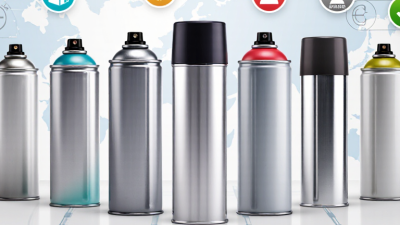
Top 10 Aerosol Can Manufacturers for Global Buyers?
-
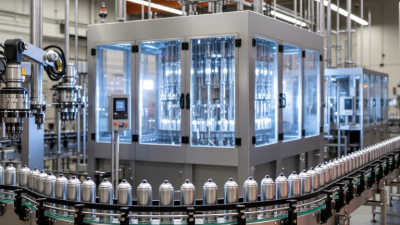
7 Tips to Choose Aerosol Can Manufacturers in USA
-
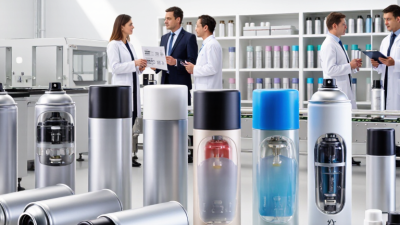
Top 10 Types of Aerosol Packaging Companies for Global Buyers
-

How to Choose the Best Aerosol Can Manufacturers for Your Needs
-

2026 Best Aerosol Can Manufacturers You Should Know About?
-

Top 10 Aerosol Manufacturers You Should Know About in 2023