2026 Top Aluminum Drinking Bottles for Global Buyers?
In recent years, aluminum drinking bottles have gained immense popularity. Their lightweight design and eco-friendly appeal attract many global buyers. These bottles serve not just as practical containers, but also as style statements. Brands are innovating with various designs and features. This trend highlights a growing demand for sustainable hydration options.
The market for aluminum drinking bottles is diverse. Consumers now seek products that are both functional and visually appealing. Additionally, safety and durability have become key considerations. Manufacturers must prioritize using high-quality materials to ensure reliability. Challenges remain, as some bottles may not withstand extreme conditions or regular use.
This guide explores the top aluminum drinking bottles of 2026, focusing on those that meet buyers’ diverse needs. From athletes to casual users, everyone has unique preferences. Selecting the right bottle is crucial. It reflects personal values and lifestyle choices. Enhancing user experience requires brands to stay ahead in design and functionality. The journey to find the ideal bottle can be complex, but it is one worth taking.
2026 Trends in Aluminum Drinking Bottles for Global Consumers
As we move towards 2026, aluminum drinking bottles are embracing various trends that appeal to global consumers. The emphasis on sustainability remains paramount. More people are seeking eco-friendly alternatives to plastic. Aluminum bottles are lightweight, durable, and fully recyclable, which makes them a popular choice among environmentally conscious buyers.
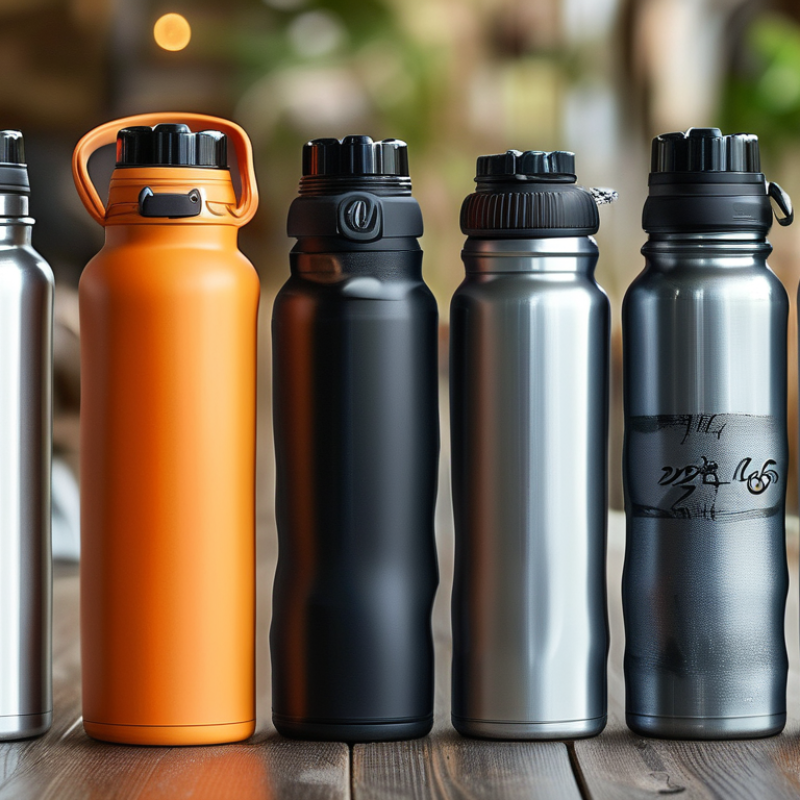
Color and design also play crucial roles in consumer preferences. There is a growing demand for unique and customizable designs. Trends indicate that vibrant colors and stylish patterns attract younger audiences. Personalization, such as engraved names or custom artwork, can enhance the connection between the user and the product.
When selecting an aluminum bottle, consider practicality. Look for features like insulated designs that keep drinks cold or hot for longer periods. Also, check the cap and mouth size for ease of use. Small details can greatly affect the overall experience. Some users might prefer a wide-mouth design for adding ice, while others might enjoy a flip-top for one-handed access.
2026 Trends in Aluminum Drinking Bottles for Global Consumers
Key Features to Look for in Aluminum Drinking Bottles
When choosing aluminum drinking bottles, several key features stand out. First, consider the bottle's insulation properties. A well-insulated bottle keeps beverages at the desired temperature. Whether for hot coffee or cold water, insulation matters. Look for double-walled designs, as they enhance thermal retention.
Material quality is another essential aspect. Aluminum should be food-grade and free from harmful coatings. Check for BPA-free versions to ensure safe drinking. You want a bottle that will not leach chemicals into your beverage. This detail can often be overlooked but is crucial for health.
Design elements also play a significant role. A lightweight bottle is easy to carry, especially for outdoor adventurers. A secure lid prevents leaks, ensuring that your bag stays dry. It might seem trivial, but a good grip is vital when you’re on the move. Sometimes, even the best bottles can disappoint if they don’t fit in standard cup holders.
For users, consider ease of cleaning too. Look for wide-mouth openings to allow for simple scrubbing. Regular maintenance will extend the bottle's lifespan and maintain hygiene. Always keep an eye out for potential scratches that could harbor germs. Make sure to reflect on not just aesthetics, but usability. Your ideal aluminum bottle should combine function and style seamlessly.
Top Brands of Aluminum Drinking Bottles in 2026
In 2026, the market for aluminum drinking bottles is expected to evolve. Several brands are standing out in this competitive landscape. They focus on sustainability, durability, and design. Each brand aims to meet the needs of eco-conscious consumers. Many buyers are looking for bottles that keep beverages cold or hot for hours. This is a key feature driving choices.
There is a noticeable trend toward innovative designs. Some brands offer lightweight options that are easy to carry. Others prioritize intricate artwork that appeals to younger audiences. However, not every bottle lives up to expectations. Some may dent easily or struggle with insulation claims. Consumers need to research thoroughly to ensure they get value.
The variety in the market can be overwhelming. Some bottles have features like built-in filters or wide mouths for easy cleaning. Others may fall short in practical use or usability. It's crucial for buyers to assess what matters most to them. Feedback from real users can guide these decisions, pinpointing strengths and weaknesses in different models. Reliable reviews can help navigate this landscape effectively.
Sustainability and Environmental Impact of Aluminum Bottles
Aluminum bottles have gained popularity due to their sustainability. They are recyclable, which reduces waste. Each bottle can be reused countless times, minimizing the need for single-use plastics. This is crucial as plastic pollution is a growing concern globally. Every year, millions of tons of plastic end up in oceans and landfills.
However, the production of aluminum can have negative environmental impacts. Mining bauxite, the primary ore for aluminum, can damage ecosystems. Transporting aluminum also contributes to carbon emissions. While aluminum bottles are practical, it is essential to weigh their benefits against these drawbacks. Sustainable practices in production are key.
Consumers increasingly seek eco-friendly options. Choosing aluminum bottles can promote a culture of sustainability. Yet, responsible sourcing and manufacturing are vital to truly achieve environmental goals. Continuous improvements in industry practices are necessary. Balancing convenience with environmental responsibility remains a challenge in the quest for sustainability.
2026 Top Aluminum Drinking Bottles for Global Buyers
| Model |
Capacity (oz) |
Weight (g) |
Recyclability (%) |
Price (USD) |
Eco-Rating |
| AquaPro 500 |
17 |
200 |
100 |
25.99 |
A |
| NatureSip 750 |
25 |
250 |
95 |
30.50 |
A+ |
| EcoBottle 1000 |
34 |
300 |
100 |
35.00 |
A++ |
| TravelMate 250 |
9 |
150 |
90 |
20.00 |
B+ |
| SportQuench 600 |
20 |
220 |
85 |
28.00 |
B |
Market Insights: Global Demand for Aluminum Drinking Bottles
The global demand for aluminum drinking bottles has surged significantly in recent years. According to industry reports, the market size is expected to reach USD 4.14 billion by 2026, with a compound annual growth rate (CAGR) of 6.6%. Consumers are increasingly shifting towards sustainable and reusable products. This trend aligns with growing environmental concerns regarding plastic waste.
The popularity of aluminum drinking bottles is driven by their lightweight nature and durability. They are often perceived as healthier alternatives to plastic. Reports indicate that more than 60% of buyers prioritize eco-friendliness in their purchasing decisions. Yet, issues with manufacturing consistency and supply chain disruptions persist in the industry. Manufacturers face the challenge of ensuring the safety and quality of aluminum products. These inconsistencies can affect consumer trust in the market.
Market preferences vary across regions. For instance, North America shows a strong inclination towards premium products, whereas Asia-Pacific is driven by affordability and accessibility. These disparities highlight the need for brands to adapt their strategies accordingly. Insights reveal that engaging with consumers directly can provide valuable feedback. It is essential for manufacturers to remain agile in response to shifting market demands and consumer expectations.