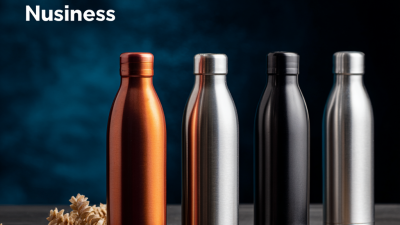
Choosing a supplier for a 16 oz aluminum bottle involves more than comparing prices or browsing polished catalogs. Buyers need to understand how each manufacturer handles forming, lining, printing, and quality checks. A bottle may look simple on a sample table. Its seams, cap fit, coating, and weight can reveal much more. Small details matter.
This guide introduces ten manufacturers in China and outlines practical points for comparing their capabilities. Product range, customization options, production capacity, and communication are useful starting points. Ask for current specifications, sample bottles, and clear information about testing procedures. A printed logo should stay crisp, while the bottle should feel consistent from one unit to the next. These details deserve careful review.
Not every supplier will suit every project. Minimum order quantities, lead times, and available finishes can vary, so confirm them directly before making plans. A strong website is helpful, but it cannot replace documented answers or sample evaluation. There is room for uncertainty here: supplier information changes, and a company’s stated capability may not match your exact requirements. The profiles below offer a comparison framework, not a guarantee of performance. Verify the details that matter to your product and market.
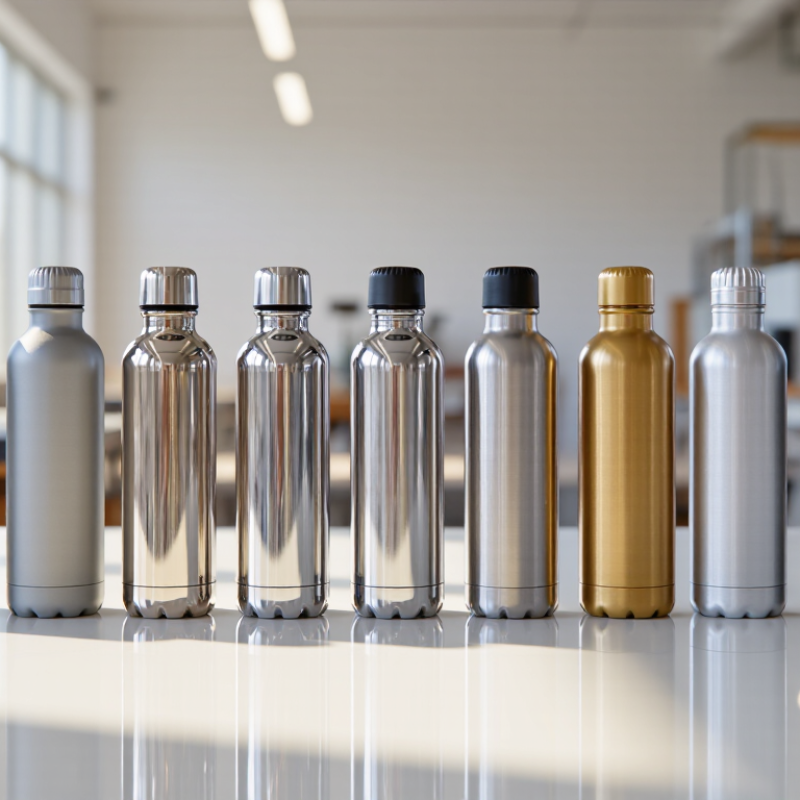
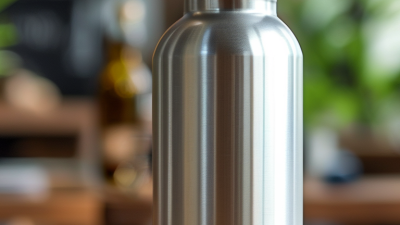
A 16 oz aluminum bottle holds about 473 milliliters of liquid. It is typically made from formed aluminum, with a threaded neck and a separate cap or closure. The body may be straight-sided or gently tapered, depending on the intended use and filling equipment. Lightweight and opaque, aluminum helps shield light-sensitive contents and is convenient to carry. A practical size.
The exact design matters. A beverage bottle may use a wider opening for easy filling, while a personal-care container may need a pump or controlled-dispensing cap. These bottles can suit water, non-carbonated drinks, lotions, and other compatible liquids. For carbonated products, the container and closure need suitable pressure performance; capacity alone is not enough to judge suitability. Buyers should also check the inner coating, neck finish, cap compatibility, and resistance to dents during transport. Small details count.
The 16 oz format works well for travel, retail shelves, and sample-size products, though it may feel bulky in a small bag. Not every aluminum bottle is designed for every formula. Confirming material compatibility with the actual contents is a sensible step, even when the packaging looks sturdy.
China’s aluminum bottle sector is organized around a connected production chain, not one standard factory model. For 16-ounce bottles, aluminum sheet or coil is formed into a body, then shaped at the shoulder and neck. The work is shared. Some manufacturers handle forming and finishing in-house, while others rely on specialist suppliers for coatings, printing, or caps.
Production teams typically coordinate material selection, tooling, surface treatment, and inspection. A buyer may specify bottle dimensions, cap fit, coating color, and artwork before a production run begins. Samples help expose issues such as uneven coating or a cap that does not seat smoothly. Small details matter. Quality checks can include visual inspection and measurements of the opening and body. Testing methods vary, so clear acceptance criteria are useful.
The sector also includes trading and export-service companies that connect buyers with production facilities. This can simplify communication, but it may make the actual production arrangement less visible. A factory’s capabilities should be checked against the specific bottle design and finish, rather than assumed from a broad product catalogue. The structure is practical, though not always neat. One supplier may manage several steps, while another depends on a network of nearby partners.
Leading 16 oz aluminum bottle manufacturers should prove control over alloy, wall thickness, neck dimensions, and closure fit. Ask for tolerance records, not just a polished sample. A bottle that looks sound may still leak after repeated capping or transport vibration. Request documented leak, drop, coating, and corrosion tests, plus batch-level traceability. Real production runs matter. Lab results alone can miss defects that appear when forming speeds rise.
Recycled content and process consistency also deserve scrutiny. The Aluminum Association and Can Manufacturers Institute’s 2023 U.S. Aluminum Can Sustainability Report reported a 43% beverage-can recycling rate and 71% average recycled content. These figures describe cans, not every bottle; suppliers should provide bottle-specific material records. The International Aluminium Institute estimates that about 75% of all aluminum ever produced remains in use, underscoring the value of dependable recovery systems. Compare suppliers’ recycled-content claims, scrap handling, and energy data, and ask how each figure was verified. Numbers can look impressive. Verify the scope. Check whether samples run reliably on your filling line, with your actual cap, coating, and beverage. A missed fit issue can cost more than a lower unit price saves.
Use verified capacity and dimensional consistency as starting points when comparing manufacturers. A US 16 fl oz bottle holds approximately 473 mL. Capacity alone does not establish quality; also assess documented leak and pressure testing, coating compliance, and production consistency. The chart shows unit conversions, not manufacturer performance.
China’s 16 oz aluminum bottle manufacturers are best compared by production discipline, not catalog size. Profiles of ten notable suppliers should examine forming methods, wall consistency, neck finishes, coating options, and inspection practices. A bottle should stand upright, accept its specified closure, and resist dents during routine packing. Ask how suppliers check seam integrity and coating adhesion. Small details matter.
China’s National Bureau of Statistics reported 41.59 million tonnes of primary aluminum production in 2023, up 3.7% year over year. This indicates a substantial domestic material base, but it does not measure bottle-making capacity. The International Aluminium Institute notes that recycling aluminum uses about 5% of the energy required for primary production. For each manufacturer, check whether recycled content is documented and whether finish quality remains consistent across batches. Trade-offs are real: custom colors and shapes can increase setup time, while lighter walls may dent more easily. Sample testing is useful, though it cannot replace ongoing quality checks.
General industry overview only: the rows below describe common aluminum-bottle manufacturing capability areas, not verified profiles or rankings of ten specific Chinese manufacturers. No company-specific production capacities, certifications, or other unverified claims are presented.
| No. | Capability area | General industry fact | Relevance to a 16 oz bottle | What to verify with a supplier |
|---|---|---|---|---|
| 1 | Bottle-body forming | Aluminum bottle bodies can be made using processes such as impact extrusion or drawing; the selected process depends on the design and production requirements. | The forming method affects body geometry, wall characteristics, and available designs. | Ask for the proposed forming process, drawings, and product samples. |
| 2 | Capacity specification | One US fluid ounce is approximately 29.5735 mL; 16 US fluid ounces are approximately 473.18 mL. | “16 oz” may refer to the intended fill volume, while a bottle’s brimful capacity can be different. | Confirm the fill volume, brimful capacity, and measurement tolerance in writing. |
| 3 | Aluminum material selection | Alloy and temper selection depend on forming needs and the intended use; the material specification should be confirmed for each product. | Material choice can affect formability and the finished bottle’s properties. | Request the material grade, temper, and applicable material documentation. |
| 4 | Neck and thread finishing | Closure fit depends on the bottle’s neck-finish dimensions and the matching closure design. | A nominal capacity does not establish that a cap will fit or seal correctly. | Check the neck-finish drawing and test the intended closure on production samples. |
| 5 | Interior coating options | Interior coatings may be used in beverage and other packaging applications; suitability depends on the coating, contents, and intended conditions of use. | Coating choice should be assessed for the specific liquid and storage conditions. | Request coating specifications and relevant food-contact or compatibility documentation for the destination market. |
| 6 | Exterior decoration | Packaging decoration can include direct printing, labels, or sleeves, depending on the supplier’s equipment and the design. | Decoration method influences artwork setup and the appearance of the finished pack. | Confirm the available method, printable area, color requirements, and sample approval process. |
| 7 | Closure and liner matching | Closure and liner materials vary; selection should account for the neck finish and the product being packaged. | The bottle, cap, and liner need to be evaluated as a compatible package system. | Request closure specifications and perform fit, seal, and product-compatibility checks. |
| 8 | Quality-control checks | Relevant checks may include dimensions, appearance, coating condition, and leakage; test methods and acceptance limits vary by product. | Defined inspection criteria help ensure that samples and production units meet the agreed specification. | Agree on inspection methods, sampling plans, and acceptance criteria before ordering. |
| 9 | Recyclability considerations | Aluminum is recyclable, but actual collection and recycling depend on local systems and the packaging components present. | Coatings, closures, labels, and local recycling guidance may affect disposal instructions. | Check the destination market’s recycling guidance and assess the complete package, not just the bottle body. |
| 10 | Documentation and market requirements | Packaging requirements and required documentation depend on the product, destination market, and intended use. | A bottle intended for a particular market may need supporting documents specific to that use and jurisdiction. | Identify applicable requirements and verify that documents cover the exact bottle, coating, closure, and use case. |
Compare quoted annual capacity with proven output for 16 oz bottles, not a headline figure. Ask for monthly production records, changeover times, and realistic lead-time ranges. A fast line can still bottleneck at neck forming or coating.
Request samples tested for fill-volume tolerance, leak resistance, coating adhesion, and closure fit. Small details matter.
The International Aluminium Institute estimated a 71% global beverage-can recycling rate in 2021.
European Aluminium reported a 76% recycling rate for aluminium packaging in Europe in 2022.
Their scopes differ, so do not compare them directly. Use these figures to ask about recycled-content traceability, not to assume it.
For customization, compare mold options, print methods, surface finishes, and minimum order quantities. Ask whether a supplier can hold color and dimensions consistently across repeat batches.
A short pilot run can reveal issues that a polished sample hides. Not always. Check how tooling costs, approval samples, and design changes affect both price and schedule.
Request written tolerances for bottle height, neck finish, and wall thickness; vague specifications invite avoidable rework. Capacity, quality, and flexibility should be checked together, since customization may slow output or narrow the range of available closures.
| Cookie | Duration | Description |
|---|---|---|
| cookielawinfo-checkbox-analytics | 11 months | This cookie is set by GDPR Cookie Consent plugin. The cookie is used to store the user consent for the cookies in the category "Analytics". |
| cookielawinfo-checkbox-functional | 11 months | The cookie is set by GDPR cookie consent to record the user consent for the cookies in the category "Functional". |
| cookielawinfo-checkbox-necessary | 11 months | This cookie is set by GDPR Cookie Consent plugin. The cookies is used to store the user consent for the cookies in the category "Necessary". |
| cookielawinfo-checkbox-others | 11 months | This cookie is set by GDPR Cookie Consent plugin. The cookie is used to store the user consent for the cookies in the category "Other. |
| cookielawinfo-checkbox-performance | 11 months | This cookie is set by GDPR Cookie Consent plugin. The cookie is used to store the user consent for the cookies in the category "Performance". |
| viewed_cookie_policy | 11 months | The cookie is set by the GDPR Cookie Consent plugin and is used to store whether or not user has consented to the use of cookies. It does not store any personal data. |