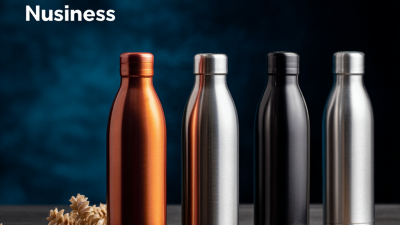
How to Source Aluminum Beverage Bottles for Your Brand?
Sourcing aluminum beverage bottles is not simply a matter of comparing unit prices. It is a packaging decision involving material quality, filling performance, transport, decoration, and end-of-life recovery. A bottle may look premium on a screen, yet fail during capping, pasteurization, or repeated warehouse handling. That gap deserves attention.
The International Aluminium Institute reports that recycling aluminum can require about 95% less energy than producing primary aluminum. Its “1.5°C Scenario” also projects strong growth in global aluminum demand by 2050. These findings make recycled content and supplier traceability important commercial questions, not just sustainability claims. However, aluminum beverage bottles may contain different alloys, coatings, liners, and closures. Their recyclability depends on the complete package and local sorting systems.
Start with your product facts. Define the beverage’s acidity, carbonation, fill temperature, shelf-life target, bottle volume, neck finish, and expected annual quantity. Then request technical datasheets, migration test results, coating specifications, material certificates, and production samples. The supplier should explain tolerances clearly. Ask how rejected bottles are controlled.
A useful supplier comparison should include minimum order quantity, tooling fees, lead time, quality inspection, printing method, recycled content, and shipping protection. The Sustainable Packaging Coalition’s guidance also supports evaluating packaging through its full life cycle, rather than focusing on one environmental feature.
No supplier scorecard is perfect. I have seen attractive samples hide weak thread finishes and inconsistent wall thickness. Test filled bottles under realistic conditions. Check torque, leakage, dent resistance, label adhesion, and pallet stability before signing a long-term agreement. This practical discipline helps your brand source aluminum beverage bottles with greater confidence, evidence, and fewer expensive surprises.
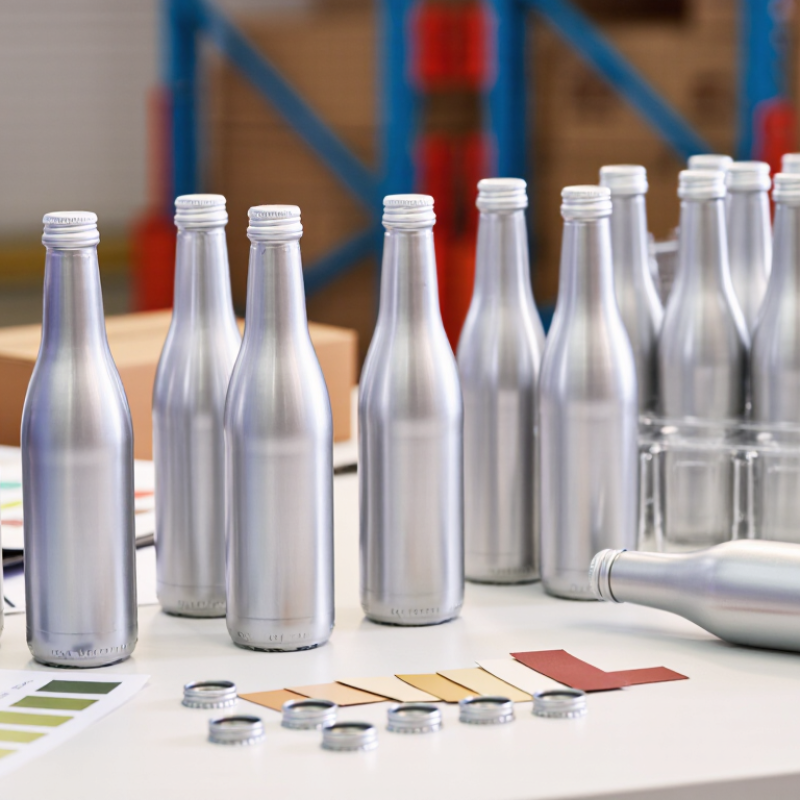
Define Your Aluminum Beverage Bottle Requirements
How to Source Aluminum Beverage Bottles for Your Brand?
Define Your Aluminum Beverage Bottle Requirements
A practical sourcing brief should begin with the drink, not the bottle. Define capacity, filling temperature, carbonation level, shelf life, and serving occasion. A 330-milliliter bottle needs different pressure performance than a still beverage container. Record the target diameter, height, neck finish, thread standard, and closure type. Small details matter.
Specify the aluminum alloy, wall thickness, surface finish, printing method, and internal coating. The International Aluminium Institute states that recycling aluminum uses about 5% of the energy required for primary production. The U.S. Aluminum Association reports an average recycled content of 73% for aluminum beverage cans. These figures support circular packaging goals, but bottles may require separate supplier data. Ask for documented recycled content and material traceability.
Food-contact compliance must match every selling region. Request migration testing, coating declarations, pressure testing, drop testing, and filling-line compatibility records. ISO 22000 can support food-safety management, but it does not replace local regulatory approval. Confirm minimum order quantities, tooling ownership, sample fees, lead times, and inspection standards in writing. A neat specification can still be wrong. One common mistake is choosing a beautiful shape before testing pallet stability and cap torque. I would also challenge optimistic claims about recyclability. Ask which facility accepts the exact bottle, closure, and coating system.
How to Source Aluminum Beverage Bottles for Your Brand?
Define Your Aluminum Beverage Bottle Requirements
Start sourcing by selecting the required nominal bottle capacity. Common beverage formats range from 250 mL to 750 mL. The equivalent US fluid-ounce values are calculated using 1 US fl oz = 29.5735 mL. After choosing the capacity, confirm the neck finish, closure type, internal coating, decoration method, filling process, and required food-contact compliance.
Evaluate Bottle Formats, Sizes, Closures, and Finishes
When sourcing aluminum beverage bottles, start with the drinking occasion, not the container alone. A 250 ml slim format suits short servings and fits neatly in a small bag. A 330 ml bottle offers familiar proportions, while a 500 ml option supports longer consumption. Check the filled bottle in hand. Its diameter, shoulder shape, and center of gravity affect comfort more than a specification sheet suggests.
Closures require careful evaluation. Compare standard screw caps, sport caps, and tamper-evident options for sealing performance and user convenience. Ask suppliers for torque ranges, liner materials, leakage tests, and compatibility data with acidic or carbonated beverages. A cap can feel secure but still leak during transport. Small details matter here. Confirm whether the opening supports the intended drinking speed and filling equipment.
Finishes shape both appearance and handling. Brushed aluminum hides minor marks, while polished surfaces create stronger visual impact but show fingerprints easily. Colored coatings should be tested for adhesion, abrasion, and exposure to condensation. Request production samples, not only digital renders. In one common sourcing mistake, a bottle looked excellent under studio lighting but felt slippery when chilled. That detail changed the preferred finish. Suppliers should also explain wall thickness, internal coating, recycling guidance, and quality tolerances. No sample is perfect. Recheck dimensions after filling, capping, chilling, and stacking.
Find and Compare Qualified Bottle Suppliers
How to Source Aluminum Beverage Bottles for Your Brand?
Find and Compare Qualified Bottle Suppliers
A qualified aluminum bottle supplier should provide more than attractive samples. Check production capacity, material specifications, quality controls, and food-contact documentation before discussing large orders. Ask whether the factory uses certified aluminum alloys and maintains traceability from incoming coils to finished bottles. Request recent test reports for leakage, pressure resistance, coating adhesion, and dimensional accuracy. A reliable supplier should explain these results clearly, not hide behind vague claims.
Compare suppliers with one practical scorecard. Record minimum order quantity, tooling fees, lead time, closure compatibility, printing options, and defect limits. Inspect samples under normal filling conditions. Check the neck finish, base stability, inner coating, and cap fit by hand. I have seen attractive samples fail because the cap thread felt slightly uneven. Small details matter. Also review the supplier’s corrective-action process. Mistakes can happen; weak responses are the real warning sign.
Tips: Request three samples from different production batches. Confirm whether quoted prices include tooling, testing, packaging, and shipping. Ask for a factory video call or an independent audit. Do not select the lowest price automatically. It may exclude essential inspections or protective packaging. Keep communication records and approve a written specification before production. Even experienced buyers can overlook one detail when timelines become tight.
Verify Materials, Certifications, and Production Capabilities
Sourcing aluminum beverage bottles starts with verifiable material records, not attractive samples. Request the alloy designation, mill certificate, recycled-content statement, and batch-level traceability. The International Aluminium Institute reports that recycling aluminum uses about 95% less energy than producing primary aluminum. However, recycled content can vary by supplier and production batch. Ask for evidence, not broad sustainability claims.
Food-contact safety requires more than a general certificate. Check whether the bottle, internal coating, closure, and ink comply with the destination market’s requirements. Request migration-test results for acidic, carbonated, and alcoholic beverages where relevant. ISO 22000 or FSSC 22000 can support food-safety controls, while ISO 9001 indicates documented quality procedures. Neither certification replaces product-specific testing. That distinction is often missed.
Production capability should be tested under real conditions. Review forming methods, wall-thickness control, neck dimensions, coating adhesion, leak testing, and drop-test procedures. Ask for acceptable defect limits and corrective-action records. A capable factory should provide pilot samples from the intended production line, not only laboratory prototypes. The Smithers packaging market reports continue to identify lightweighting as a major packaging trend, but thinner walls can increase dents and leakage. That trade-off deserves measurement. I would also inspect a recent production lot personally, if possible. A polished factory tour can still hide inconsistent torque, weak coatings, or poor lot control. Use independent laboratory verification before approving large-volume production.