10 Best Aluminum Water Bottles for Everyday Use

A good water bottle should fit your routine, not just look appealing on a shelf. Aluminum water bottles are often lightweight and easy to carry, making them useful for commutes, walks, and everyday errands. But the material alone does not determine whether a bottle is a good choice. Lid design, capacity, cleaning access, and durability matter just as much.

Small details make a difference. A narrow opening may fit a backpack pocket, yet prove awkward when adding ice. A wide mouth is easier to clean, though it can spill more readily while walking. Many aluminum bottles use an interior lining, so check the manufacturer’s care instructions and avoid assuming every model handles hot drinks or dishwashers. Some are single-wall designs and will not keep drinks cold for long. Aluminum can also dent when dropped. Not perfect.

This guide compares ten options for practical everyday use, with attention to portability, usability, and care. The right pick depends on where you carry it, how much water you drink, and whether easy cleaning or a secure cap matters most. Consider the trade-offs before choosing. A bottle that feels comfortable in your hand and fits your bag may serve you better than one with the longest feature list. Still, product details can change, so verify current specifications before buying.
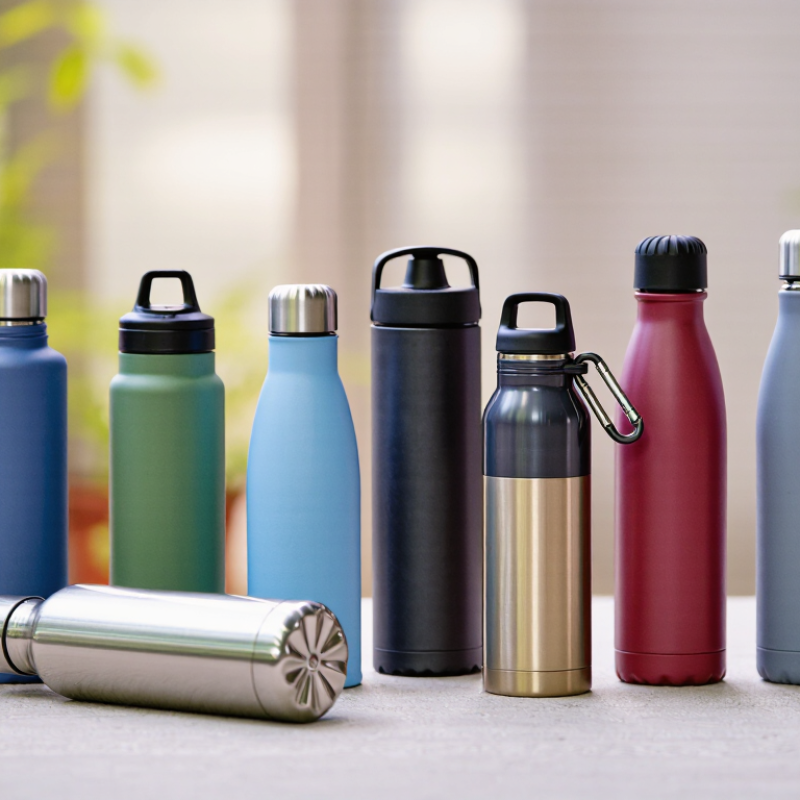
10 Best Aluminum Water Bottles for Everyday Use

How Aluminum Water Bottles Work for Everyday Use

Aluminum transfers heat quickly, so a single-wall bottle may feel warm when filled with tea. With cold water, its body can chill your hand, but it will not keep ice for long. A double-wall vacuum design slows heat transfer by limiting air between its walls. That matters.

For everyday use, the cap and its gasket are just as important as the bottle body. A properly seated seal helps prevent leaks in a backpack, while a wide opening makes it easier to add ice and wash the inside. Many aluminum bottles have an interior lining because acidic drinks can react with bare aluminum. Check the care instructions, and avoid rough scrubbers that could damage the coating.

After washing, let the bottle and cap dry separately; trapped moisture can leave an unpleasant smell. Small detail. If the bottle dents, inspect the lining and closure rather than assuming it still works exactly as before. Aluminum is light and convenient, but not indestructible. I sometimes overlook how much easier a bottle is to maintain when its opening is wide enough for a sponge.

Key Features to Compare Before Choosing a Bottle

When comparing aluminum water bottles, start with capacity and weight. A 500-milliliter bottle fits many daily bags, while larger bottles mean fewer refills but add bulk when full. Check the interior lining, too: aluminum bottles commonly use one to separate water from the metal. A smooth, intact lining matters; dents near the opening can make cleaning awkward. Insulation is another trade-off. Double-wall construction keeps drinks cooler, but often makes a bottle heavier and harder to squeeze into a packed side pocket. No perfect choice.

Then test the details you will touch every day: the cap’s seal, the mouth opening, and whether a brush can reach the bottom. A narrow neck may slow drinking and cleaning. A wide mouth is convenient, though more likely to splash while walking. The Aluminum Association reports that recycling aluminum can save up to 95% of the energy used to produce primary aluminum. That industry figure supports aluminum’s recycling value, but it does not prove every bottle has a lower overall footprint. Durability and access to local recycling both matter. I would not choose by appearance alone; a beautiful bottle that leaks in a work bag is a frustrating daily compromise.

Aluminum Water Bottle Sizes: Capacity Comparison

These representative capacities help compare bottle sizes for everyday use. A smaller bottle is easier to carry, while a larger one holds more between refills. Values are unit conversions, not brand-specific product specifications: 1 US fluid ounce equals 29.5735 milliliters.

The 10 Best Aluminum Water Bottles for Everyday Use

The 10 best aluminum water bottles for everyday use are not identical; the right choice depends on how you carry and clean one. Compare capacity, lid design, weight, and whether the interior lining suits your usual drinks. A bottle that fits a desk cup holder may be awkward in a backpack pocket. Small details matter.

A practical shortlist includes a slim single-wall bottle for light carry, an insulated model for temperature retention, and a wide-mouth bottle for easier filling. A narrow-neck design can feel neater while walking. Straw lids suit quick sips, while sports caps work well during exercise. A loop-top bottle clips onto a bag; a compact 500-milliliter option suits short trips. Larger bottles reduce refill stops. Finally, consider a model with a removable gasket, since hidden residue can be difficult to clean. Check the cap.

Aluminum bottles are light, but dents can happen if one falls onto concrete. Many use an interior coating, so follow the maker’s care instructions and avoid abrasive scrubbers unless approved. Acidic drinks may not suit every lining. I would check that detail before buying. Also inspect the lid seal and replacement-part availability; a leaking bottle can make a good design frustrating. No single option wins for everyone, and the lightest bottle may not be the easiest to wash.

Comparing Capacity, Lids, and Daily Performance

Capacity should match your actual route, not an idealized workout. The National Academies’ Dietary Reference Intakes report sets adequate total-water intakes at 3.7 liters daily for men and 2.7 liters for women; these figures include water from food and all beverages. They are population-level guides, not bottle-filling targets. A 500–750 ml bottle is easier to carry through errands, while a one-liter option means fewer refills but adds weight when full. Check whether it fits your bag’s side pocket and the cup holder you use most.

Lids shape daily performance. A screw cap is simple to rinse and less likely to open in a bag, but drinking while walking takes two hands. A flip-top is quicker, yet its hinge and narrow channels may collect residue. Small detail. Inspect the silicone seal and test the closure over a sink before trusting it near a laptop. Aluminum bottles can vary in insulation and interior lining, so check the product specifications; an uninsulated bottle may warm in a sunny car, and some users dislike the metallic feel.

Compare usable features, not just listed capacity. A wide mouth makes adding ice easier, but can splash while you drink on the move. A narrow opening is steadier, though harder to clean by hand. I would choose a lighter bottle for commuting and a larger one for desk days, then reconsider after a week; my first-choice capacity often proves inconvenient once the bag is packed.

10 Best Aluminum Water Bottles for Everyday Use — Comparing Capacity, Lids, and Daily Performance
Everyday Profile Capacity Typical Lid Approx. Empty Weight Insulated? Daily Performance Best Suited For
Compact screw-cap bottle 400–500 mL (14–17 fl oz) Simple screw cap About 90–150 g (3.2–5.3 oz) No Light and easy to stash; smaller capacity means more frequent refills. Short commutes, small bags, and quick outings
Lightweight sport bottle 500–600 mL (17–20 fl oz) Sports cap or flip-top About 100–170 g (3.5–6.0 oz) No Convenient for one-handed drinking; check the closure carefully before carrying it in a bag. Walking, casual cycling, and gym sessions
Everyday standard bottle 600–700 mL (20–24 fl oz) Screw cap, often with a carry loop About 120–190 g (4.2–6.7 oz) No A practical balance of capacity and portability; fits many, but not all, cup holders. Daily errands, school, and office use
Wide-mouth refill bottle 650–750 mL (22–25 fl oz) Wide-mouth screw cap About 140–220 g (4.9–7.8 oz) No Easy to fill and clean; the wider opening can be less convenient for drinking while moving. Desk use and frequent refills
Flip-top commuter bottle 600–750 mL (20–25 fl oz) Flip-top lid, sometimes with a lock About 150–240 g (5.3–8.5 oz) No Quick to open; extra lid parts may need more frequent cleaning. Commuting and one-handed access
Large-capacity day bottle 800–900 mL (27–30 fl oz) Screw cap with carry loop About 170–260 g (6.0–9.2 oz) No Reduces refill stops but takes up more space and weighs more when full. Long workdays and day trips
One-liter hydration bottle 1,000 mL (34 fl oz) Screw cap or sports cap About 190–300 g (6.7–10.6 oz) No Provides plenty of water between refills; may feel bulky in a small bag. Travel, outdoor activities, and long shifts
Collapsible-cup compatible bottle 600–750 mL (20–25 fl oz) Screw cap with a cup-style lid About 160–260 g (5.6–9.2 oz) No Offers a separate drinking cup; generally bulkier than a basic screw-cap design. Picnics and shared outdoor use
Carabiner-loop trail bottle 500–750 mL (17–25 fl oz) Screw cap with attachment loop About 120–210 g (4.2–7.4 oz) No Easy to clip onto compatible gear; the loop is for carrying, not climbing or load-bearing use. Day hikes and hands-free carrying
Minimalist slim bottle 500–650 mL (17–22 fl oz) Narrow screw cap About 100–180 g (3.5–6.3 oz) No Slides into narrow pockets and bags; a smaller opening can make cleaning less convenient. Light travel and compact bags
These are representative aluminum-bottle configurations, not specifications for named products. Capacity, weight, lid design, and compatibility vary by model. Most single-wall aluminum bottles are not insulated, and many use an interior coating; follow the care instructions supplied with the bottle.

How to Clean and Maintain an Aluminum Water Bottle

How to Clean and Maintain an Aluminum Water Bottle

Rinse your aluminum bottle after every use, especially after filling it with juice, sports drinks, or milk-based beverages. Wash the inside with warm water, mild dish soap, and a soft bottle brush. Pay attention to the neck and cap threads, where residue can linger. The FDA Food Code (2022, Section 4-602.11) requires food-contact surfaces in continuous use to be cleaned at least every four hours in food-service settings. That is not a household bottle rule, but it shows why letting residue sit all day is a poor habit. Rinse thoroughly, then leave the bottle and cap open to air-dry completely.

Tips: Skip steel wool, abrasive powders, and harsh acidic or alkaline cleaners; they may scratch or damage aluminum’s protective surface. Check your bottle’s care instructions, since interior coatings vary. Clean the cap separately, including any small seals. A smell that remains after washing is a sign to inspect those hidden parts. I sometimes forget the cap. It is usually the part that needs attention most. Don’t store a damp bottle closed; trapped moisture can encourage unpleasant odors.