2026 Best Aluminum Beer Bottles for Global Buyers?
The global beverage industry is witnessing a significant shift towards aluminum beer bottles. A recent report indicates that the aluminum packaging market will grow by 6.4% annually through 2026. As consumers prioritize sustainability, aluminum beer bottles are becoming increasingly popular due to their recyclability and reduced carbon footprint.
Expert insight from Dr. Emily Hartman, a leading authority in packaging technology, highlights this trend: "Aluminum beer bottles are not just a trend; they represent a sustainable future in beverage packaging." This sentiment reflects the broader industry commitment to eco-friendly practices.
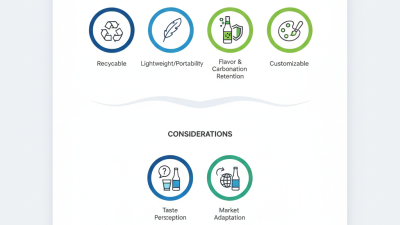
However, challenges remain. The shift to aluminum beer bottles may lead to increased production costs initially. Additionally, not all consumers are familiar with these bottles, which could affect their acceptance. As the market evolves, manufacturers must address these concerns while meeting the growing demand for sustainable products.
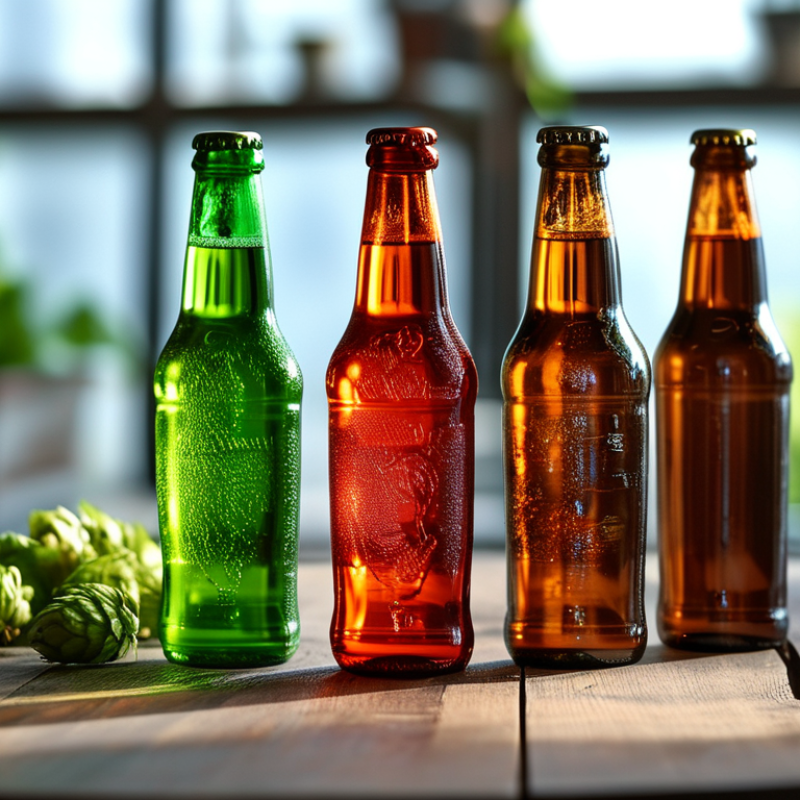
Benefits of Aluminum Beer Bottles in the Beverage Industry
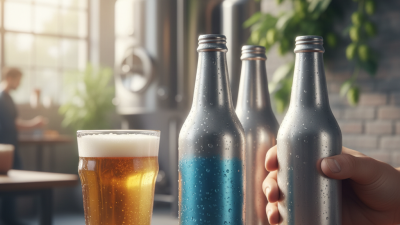
Aluminum beer bottles are gaining popularity in the beverage industry for several compelling reasons. Their lightweight nature and high recyclability are significant advantages. According to the Aluminum Association, aluminum packaging is recycled at a rate of 75%, making it one of the most sustainable choices available. The ability to keep beverages colder for longer is another benefit. Research shows that aluminum can maintain temperature better than glass, enhancing consumer experience.
In terms of branding and marketing, aluminum bottles offer unique opportunities. They can be customized with various colors and finishes, drawing consumers’ attention. A study by the Beverage Marketing Corporation noted that vibrant packaging can increase sales by up to 30%. However, some consumers still have concerns about the potential metallic taste, which could deter purchases.
The growing trend of personalization also affects aluminum bottle popularity. Consumers seek products that align with their identities. Aluminum bottles can be easily adorned with graphics, promoting brand loyalty. Yet, the cost of production can be higher than traditional glass bottles. Striking a balance between cost efficiency and appealing design remains a challenge for many manufacturers.
Benefits of Aluminum Beer Bottles in the Beverage Industry
Comparative Durability: Aluminum vs. Glass and Plastic Bottles
When it comes to packaging beverages, durability plays a crucial role. Aluminum, glass, and plastic have distinct characteristics that affect their performance. Aluminum bottles are lightweight and shatterproof, making them ideal for outdoor events. They withstand drops better than glass, which can easily break. However, if not recycled properly, aluminum can contribute to environmental issues.
Glass has been a traditional choice for many beverages. Its perceived premium feel and ability to preserve taste is unmatched. However, glass is heavy and fragile, making it less suitable for certain scenarios. It can shatter upon impact, leading to safety concerns. Moreover, the transportation costs for glass are generally higher due to its weight.
Plastic is highly versatile and lightweight, yet it raises concerns regarding durability. While it's less prone to breakage than glass, it can warp and degrade over time. Environmental impact is another downside, as plastic can take centuries to decompose. Each material has its pros and cons, highlighting the need for sustainable packaging solutions that balance durability with environmental responsibility.
Global Market Trends for Aluminum Beer Bottles in 2026
The global market for aluminum beer bottles is evolving rapidly. Recent forecasts show a projected growth rate of 5.2% from 2026 onwards. This growth is fueled by rising consumer preference for lightweight and recyclable packaging. A report by Transparency Market Research indicates that the demand for aluminum beer bottles is expected to reach approximately $3 billion by 2026.
As environmental consciousness increases, consumers prefer sustainable options. Aluminum is 100% recyclable, and many breweries are adopting this material to appeal to eco-friendly customers. A survey conducted by Mintel highlights that 70% of consumers are more likely to choose products with sustainable packaging. This trend encourages producers to innovate.
However, the market faces challenges. Supply chain issues and fluctuating aluminum prices can disrupt production. Moreover, some consumers still associate aluminum with lower quality. Continuous education on the benefits of aluminum is necessary. If breweries can address these concerns, the aluminum beer bottle market can thrive significantly.
Top Innovations in Aluminum Beer Bottle Design and Technology
Aluminum beer bottles are evolving, driven by innovative designs and technology. Industry reports show that the global aluminum packaging market will reach $170 billion by 2026. This growth reflects rising consumer demand for sustainable and lightweight packaging options. Brands are now focusing on creating bottles that not only maintain beverage integrity but also enhance user experience.
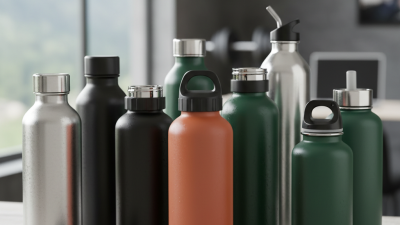
Modern aluminum beer bottles incorporate features like resealable caps and advanced insulation. These innovations keep beverages cold longer and protect the flavor. Research indicates that up to 78% of consumers prefer the aesthetic appeal of aluminum over glass or plastic. This preference highlights a shift towards eco-friendly materials as consumers become more environmentally conscious.
However, challenges persist in achieving complete sustainability. While aluminum is recyclable, the production process can be energy-intensive. Experts believe that greater investment in recycling technologies is essential. Many companies are still figuring out how to balance production costs and sustainability. As the industry moves forward, it must continually address these gaps to meet consumer expectations. The future of aluminum beer bottles looks promising, yet careful consideration of environmental impact remains crucial.
Environmental Impact and Sustainability of Aluminum Packaging Solutions
Aluminum packaging is gaining traction due to its environmental benefits. It is lightweight and recyclable, making it a popular choice for beer bottles. With the global push for sustainability, aluminum solutions are increasingly relevant. They reduce transport emissions, as they weigh less than glass. Moreover, aluminum is infinitely recyclable, meaning it retains its properties through multiple cycles. This can significantly reduce waste in landfills.
Water scarcity is a concern in many regions. Aluminum production, while energy-intensive, can be offset with sustainable practices. Using renewable energy sources in factories is beneficial. Understanding local recycling programs is vital for effective waste management. Utilizing deposit return schemes can encourage consumers to recycle.
Many consumers appreciate innovation in packaging. Companies should explore biodegradable coatings or inks. Consumer awareness of environmental issues is rising. Brands that emphasize sustainability can build a loyal customer base. Packaging designs can also reflect ecological consciousness. Clear information on recycling is essential to help customers dispose of packaging responsibly. Being transparent about sourcing materials can enhance brand trust and credibility.