2026 Best Aluminum Can Manufacturers for Global Buyers

Choosing reliable aluminum can manufacturers in 2026 requires more than comparing price lists. Global buyers need suppliers with proven production experience, stable quality systems, and dependable export support. A polished website is not enough.

This guide examines manufacturers through practical buyer criteria. These include can dimensions, alloy consistency, wall thickness, printing accuracy, coating performance, and closure compatibility. It also considers production capacity, minimum order quantities, tooling support, lead times, and packaging protection. Food-contact documentation, traceability records, factory audits, and recognized quality certifications deserve close attention. Small details matter. A dented pallet can disrupt an entire launch.

Experienced sourcing teams should request current samples, test reports, and clear commercial terms before approving a supplier. Factory photographs help, but direct verification remains stronger. Buyers should also review recycling practices, energy use, wastewater controls, and transport planning. Regional manufacturing strength can reduce delivery risk, although lower freight costs do not always mean lower total costs.

No ranking can fit every market perfectly. A beverage startup may value flexible order volumes, while a multinational brand may prioritize automated lines and global consistency. Some public supplier information may also be incomplete or outdated. That limitation deserves honest recognition. The manufacturers discussed here are therefore assessed as potential partners, not guaranteed choices. By comparing technical capability, responsiveness, compliance evidence, and real-world reliability, global buyers can build a more defensible aluminum can supply strategy for 2026.
2026 Best Aluminum Can Manufacturers for Global Buyers

Aluminum Can Manufacturing: Materials, Processes, and Quality Standards

Aluminum can manufacturing begins with the right alloy, gauge, and temper. Body stock commonly uses aluminum alloys designed for deep drawing and high-speed forming. The metal must balance strength, weight, ductility, and corrosion resistance. Small changes in coil thickness can affect wall thickness and can stability. Buyers should request material certificates and batch traceability.

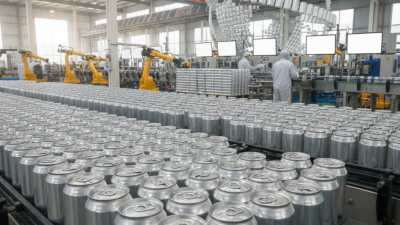
A typical line uncoils aluminum, applies lubricant, and forms cups through drawing and ironing. The body is then trimmed, washed, dried, printed, and coated. Necking and flanging prepare the opening for closure. I have found that clean tooling matters as much as machine speed. Worn dies can create scoring, wrinkles, or uneven walls. These defects may appear minor, but they can weaken the final package.

Quality control should cover dimensions, coating adhesion, internal lacquer coverage, seam performance, and leakage. Pressure tests and visual checks help identify pinholes or distorted flanges. Food-contact compliance must match the destination market, with suitable migration testing and documented production controls. Standards such as ISO 9001 can support consistent systems, but certification alone does not guarantee every shipment is perfect. Sampling plans need clear acceptance limits. Independent inspections are useful when volumes are large or specifications are unfamiliar. One practical weakness remains: some factories measure finished cans well but record process variation poorly. That gap deserves attention before a long-term supply agreement.

How to Evaluate Aluminum Can Manufacturers for Global Purchasing

Choosing aluminum can manufacturers in 2026 requires more than comparing prices. Global buyers should verify alloy specifications, wall thickness, dimensions, and production tolerances. Ask for recent test reports, food-contact documentation, and traceability records. A reliable manufacturer should explain how raw materials are inspected and how defects are controlled.

Factory experience matters. Review production capacity, tooling resources, minimum order quantities, and average lead times. Request samples from current production lines, not only attractive showroom pieces. Check the can surface, rim accuracy, coating consistency, and resistance to dents. Independent audits can reveal details that sales documents omit. A polished website proves little. I have learned that even strong suppliers may struggle during seasonal demand, equipment repairs, or material shortages.

Tips: Compare at least three suppliers. Confirm shipping terms in writing. Ask how rejected cans are recorded. Review corrective-action reports. Visit the facility when practical, or arrange a live video inspection. Do not rely on one certificate. Verify its scope, date, and issuing body. Sustainability claims also need evidence, such as recycled-content percentages, energy data, and waste-handling records. No checklist is perfect. Buyers should leave room for overlooked risks, especially when specifications change after sampling.

Leading Aluminum Can Manufacturers by Region and Production Capability

Regional capability matters more than a simple supplier ranking. In North America, established aluminum can manufacturers often operate high-speed draw-and-iron lines. They also invest in recycled-content systems and lightweighting. The Aluminum Association reports that aluminum beverage cans can contain substantial recycled metal, reducing energy demand compared with primary production. Capacity data still varies by facility and product grade.

Asia remains the largest manufacturing base for many packaging formats. Producers in East and Southeast Asia commonly offer wide-diameter cans, specialty ends, and flexible order volumes. The International Aluminium Institute recorded global primary aluminum production at roughly 70 million tonnes in 2023. That scale supports strong material access, but it does not guarantee consistent can quality. Buyers should inspect line speed, tooling age, coating controls, and rejection rates.

European manufacturers often emphasize circularity, traceability, and lower-carbon production. European Aluminium identifies packaging recycling as a central part of regional circularity targets. Middle Eastern facilities may benefit from integrated smelting, modern plants, and export-oriented logistics. Latin American suppliers can provide shorter regional delivery routes, especially for beverage markets. However, public production figures are uneven, and some capacity claims need independent verification. Factory audits remain useful. A clean showroom is not evidence of stable output. Request recent batch records, wall-thickness data, pallet photographs, and third-party certifications before signing a long-term contract.

Key Factors in Pricing, Customization, Certifications, and Minimum Orders

Choosing an aluminum can manufacturer in 2026 requires more than comparing unit prices. Buyers should request a detailed quotation for the exact can size, wall thickness, alloy, coating, printing method, and delivery term. A 330 ml can may appear inexpensive, but tooling, artwork setup, testing, packaging, and freight can change the final cost. Ask whether pricing is based on one full pallet, one container, or a long-term volume commitment.

Customization affects both appearance and production risk. Confirm color matching, print tolerance, lid compatibility, surface finish, and sample approval procedures before placing an order. A reliable supplier should provide food-contact documentation, migration test results, quality certificates, and traceable batch records. Certifications alone are not enough. Their scope, validity, and testing laboratory still require checking. Regional compliance requirements may also differ, so technical documents should be reviewed by your own regulatory team.

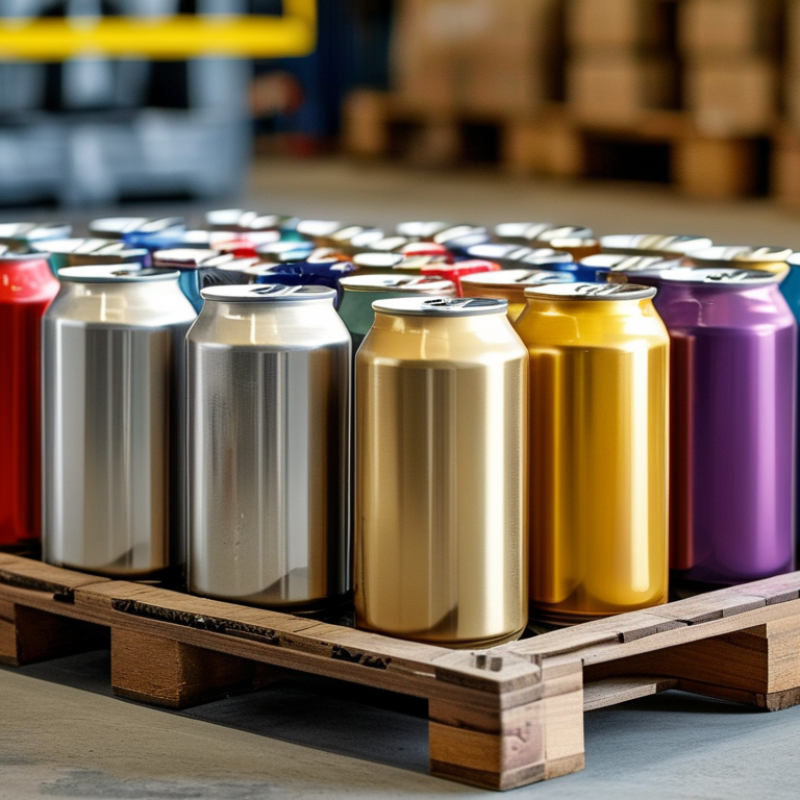
Tips: Compare landed cost, not factory price. Ask for a written MOQ by size and decoration type. Some factories accept lower trial quantities but charge higher setup fees. Larger orders may reduce the unit price, yet they can create slow-moving inventory. I have seen buyers overlook pallet dimensions and lose warehouse space. That mistake is avoidable. Request pre-production samples, inspect rim quality and coating adhesion, and define replacement terms for damaged or rejected cans. Small details matter.

Global Shipping, Compliance, and Supplier Selection Checklist

2026 Best Aluminum Can Manufacturers for Global Buyers

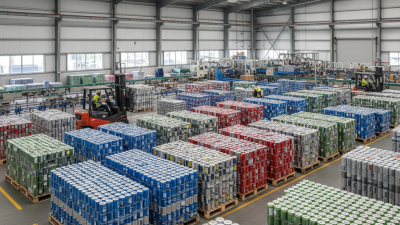
Global shipping starts with realistic capacity, not a glossy catalog. UNCTAD’s Review of Maritime Transport 2024 reports that ships carry over 80% of world merchandise trade by volume. Ask suppliers for port options, container-loading photos, lead times, and a written plan for damaged pallets. A 20-foot container may leave space unused when can dimensions, lids, and protective layers are calculated poorly.

Compliance needs product-level evidence. Request alloy specifications, wall-thickness records, coating declarations, migration-test results, and batch traceability. For food-contact packaging, check applicable requirements under EU Regulation 1935/2004 or US food-contact rules, depending on the destination. The EU Packaging and Packaging Waste Regulation, adopted in 2025, increases pressure on recyclability and packaging data. Requirements can change during a contract. Confirm them again before production.

Recycling performance also deserves scrutiny. The International Aluminium Institute reports that nearly 75% of aluminium ever produced remains in use, showing aluminium’s long material life. Yet recycled-content claims can be vague. Require mass-balance explanations and independent test reports. ISO 9001 may support process control, but certification alone proves little about every shipment. Inspect sample cans under bright light, measure flange dimensions, and test stacking strength. A perfect audit file can still hide inconsistent batches. I would keep a small pre-shipment inspection budget; many buyers underestimate its value. Supplier selection should compare landed cost, not factory price, including freight, duties, testing, delays, and rejected cartons.