Top 10 Aluminum Can Suppliers You Should Know?
In today's fast-paced market, aluminum can suppliers play a crucial role in various industries. From beverages to food packaging, these suppliers provide essential products that shape our daily consumption habits. Given the ever-growing demand for sustainable and recyclable materials, understanding the landscape of aluminum can suppliers becomes increasingly important.
The top aluminum can suppliers are known for their quality, reliability, and innovative practices. Their expertise ensures that brands can trust the materials they use. However, selecting the right supplier can be challenging. Factors such as pricing, production capacity, and environmental impact must be considered. Some suppliers may excel in one area but fall short in another, highlighting the need for careful evaluation.
This article explores ten reputable aluminum can suppliers you should know. Each offers unique strengths and contributions to the industry. By becoming familiar with these suppliers, businesses can make informed decisions that align with their branding goals and sustainability missions. The right partnership can enhance product quality and customer satisfaction in a competitive market.

Overview of the Aluminum Can Industry
The aluminum can industry is a critical segment within the packaging market. According to recent industry reports, the global aluminum can market is projected to reach over $100 billion by 2026. This growth is driven by rising demand for sustainable packaging solutions. Aluminum is 100% recyclable, making it a preferred option for many brands aiming to reduce their carbon footprints.
In 2023, about 78% of aluminum cans were recycled in the United States. This impressive rate highlights the material's eco-friendly advantage. However, challenges remain. Many consumers are unaware of the recycling process. This lack of knowledge can result in increased waste. Education is vital for improving recycling rates.
**Tip:** Always rinse your cans before disposal to help improve the recycling process.
Many companies face hurdles in sourcing high-quality aluminum. Fluctuating raw material costs can affect production. Additionally, the pandemic introduced supply chain disruptions. Companies need to remain vigilant and adaptable in response to these changes.
**Tip:** Consider long-term contracts with suppliers to stabilize costs.
By understanding the dynamics of the aluminum can industry, participants can navigate its challenges effectively. Engaging in best practices can lead to enhanced sustainability and profitability.
Key Factors Influencing Aluminum Can Supply Chain
The aluminum can supply chain is influenced by several key factors. One primary factor is the availability of raw materials. As global demand increases, manufacturers face challenges in sourcing high-quality aluminum. According to a report by the International Aluminum Institute, global aluminum consumption is projected to reach 85 million tons by 2025. This projection underscores the importance of securing a steady supply of aluminum.
Another significant factor is technological advancements in production. Innovations improve efficiency and reduce waste during the manufacturing process. For instance, companies are investing in automation. This not only speeds up production but also enhances consistency. However, adopting new technologies requires substantial investment, which may not be feasible for all suppliers.
Tips: Regularly assess your supplier's sourcing capabilities. Understanding their materials supply can help ensure stability. Additionally, keep abreast of technological trends in the industry. Staying informed helps make better procurement decisions.
Lastly, logistics play a crucial role. Efficient transportation networks reduce delays and costs. However, disruptions can significantly impact the supply chain. Supply chain resilience is essential. Suppliers should assess risks and develop contingency plans.
Top 10 Aluminum Can Suppliers You Should Know
| Supplier Rank |
Annual Production Capacity (Million Cans) |
Geographic Presence |
Sustainability Initiatives |
Market Share (%) |
| 1 |
15000 |
North America, Europe |
100% recyclable materials |
25 |
| 2 |
12000 |
Asia, Australia |
Carbon reduction programs |
20 |
| 3 |
10000 |
Europe, South America |
Waste reduction efforts |
15 |
| 4 |
8000 |
North America, Asia |
Use of recycled aluminum |
10 |
| 5 |
6000 |
Europe, Africa |
Energy-efficient production |
8 |
| 6 |
5000 |
North America |
Partnerships for recycling |
5 |
| 7 |
4000 |
Asia, Europe |
Sustainable sourcing |
4 |
| 8 |
3000 |
South America |
Eco-friendly initiatives |
3 |
| 9 |
2000 |
North America, Asia |
Low carbon footprint |
2 |
| 10 |
1000 |
Europe, Australia |
Renewable energy usage |
1 |
Top 10 Aluminum Can Suppliers: A Brief Profile
The aluminum can industry is evolving rapidly. Global demand for aluminum cans is projected to reach 100 million tons by 2025, driven by factors like sustainability and recycling. Aluminum cans have an impressive recycling rate—over 70%, according to the Aluminum Association. This is essential because recycling aluminum saves 95% of the energy required to produce new materials.
In this competitive market, suppliers are focusing on innovative solutions. Many are investing in advanced technologies to enhance manufacturing efficiency. For instance, some suppliers report a 20% reduction in production costs through process automation. However, challenges remain. There are concerns over fluctuating raw material prices and environmental regulations. Experts suggest that transparency in sourcing and energy use can build trust with customers.
Collaboration is another key theme. Many suppliers are forming partnerships with beverage companies to streamline operations. This can lead to better product design and faster delivery times. Yet, continuous improvement is necessary. Some suppliers struggle to maintain consistent quality across different production facilities. This variance can affect brand loyalty and customer satisfaction. The market is poised for growth, but suppliers must remain agile and responsive.
Comparative Analysis of Supplier Capabilities
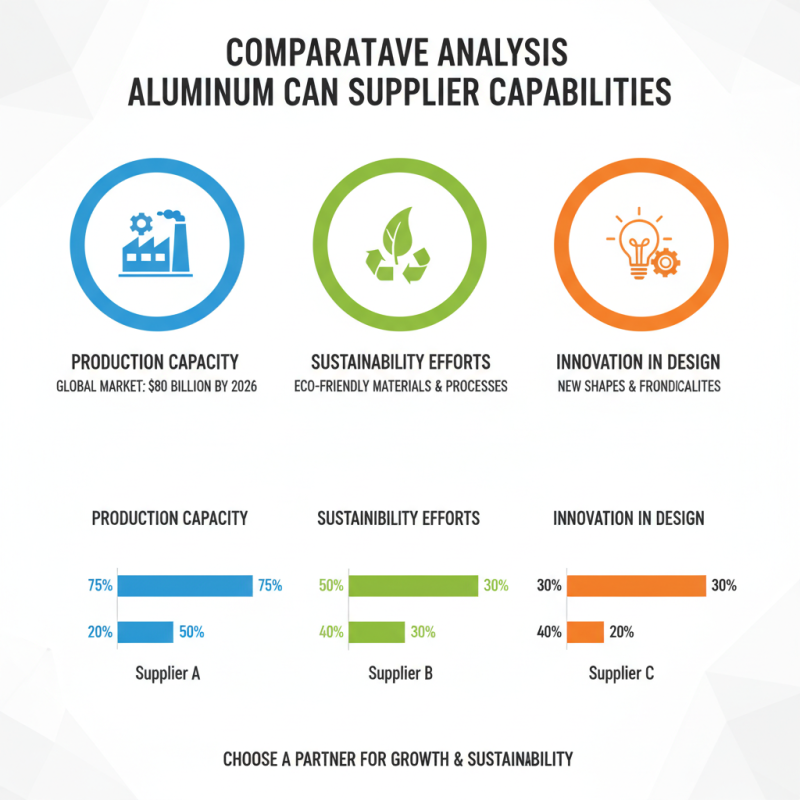
When evaluating aluminum can suppliers, it's essential to compare their capabilities. Recent studies indicate that the global aluminum can packaging market is expected to reach USD 80 billion by 2026, highlighting the sector's growth potential. Key metrics include production capacity, sustainability efforts, and innovation in design.
Many suppliers are focused on reducing their carbon footprint. For example, some companies report a 30% reduction in greenhouse gas emissions over the past five years. This trend is critical as consumers increasingly prefer eco-friendly products. However, reliable data on supplier performance may be limited, indicating a need for thorough evaluation processes.
Tips: When selecting a supplier, consider their track record in sustainability. Reviewing their certifications can provide insights into their practices. Also, engage in direct discussions about their capabilities to ensure they align with your project needs. Supplier audits can reveal crucial information about production quality. Balancing cost and capability is often challenging, but essential for long-term partnerships.
Future Trends in Aluminum Can Manufacturing and Supply
The aluminum can manufacturing industry is on the brink of significant changes. A report from Grand View Research indicates the global aluminum packaging market size was valued at $114.51 billion in 2022. It is projected to grow at a CAGR of 5.4% from 2023 to 2030. Increasing consumer preference for sustainable packaging is driving this growth.
Recycling plays a major role in shaping future trends. The Aluminum Association states that nearly 75% of all aluminum ever produced is still in use. This highlights aluminum’s durability and recyclability. More companies are adopting closed-loop systems to maximize resource efficiency. However, challenges like fluctuating raw material costs and inconsistent recycling rates need addressing.
Sustainability is not just a trend; it’s essential. Efforts to reduce carbon footprints are crucial in production processes. Innovations in aluminum alloys are underway, aiming to decrease weight and improve performance. These advancements could lead to lighter cans, which reduce transportation emissions. The future hinges on balancing these innovations with cost-effectiveness and environmental impact.
Top 10 Aluminum Can Suppliers - Market Share
This bar chart represents the estimated market share of the top 10 aluminum can suppliers. The data reflects the competitive landscape and potential growth trends in the aluminum can manufacturing industry.