What is Wrapping Paper and How to Choose the Best Type?
Wrapping Paper is more than just decorative paper; it plays a vital role in gift-giving culture. David Lawson, a renowned expert in the packaging industry, states, "The right wrapping paper can elevate an ordinary gift into something extraordinary." This insight underscores the importance of choosing the best type of wrapping for each occasion.
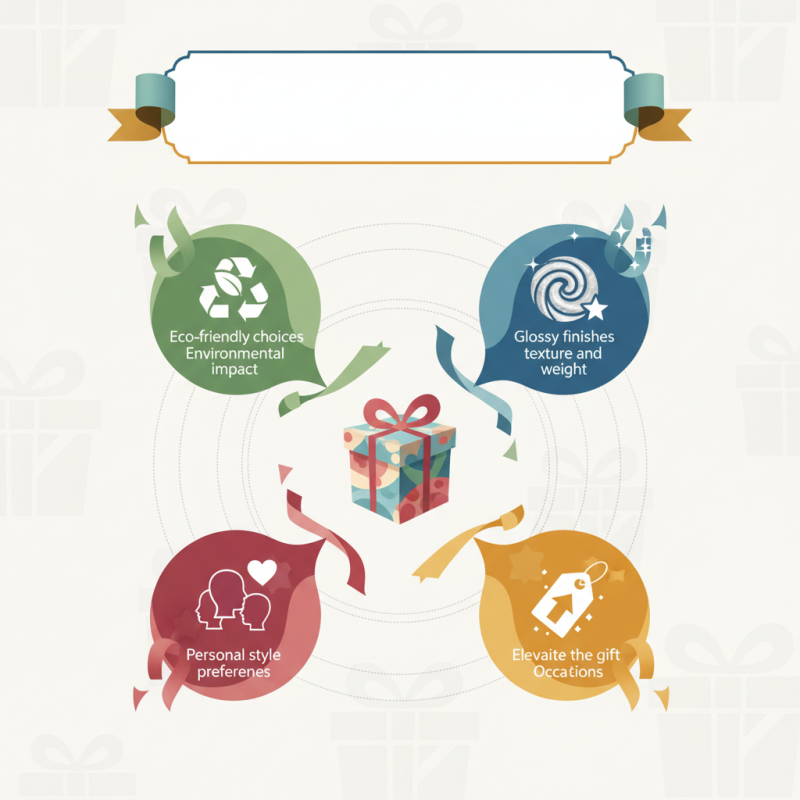
Selecting the right Wrapping Paper requires careful consideration. Various options exist, each serving different purposes. From glossy finishes to eco-friendly choices, the options can be overwhelming. Many forget the impact of texture and weight on the overall presentation. A flimsy paper might cheapen even the most thoughtful gift.
Additionally, it's crucial to reflect on personal style and the recipient's preferences. That choice can lead to unique expressions of love and appreciation. However, one must also consider the potential environmental impact of their selection. Not all Wrapping Paper is recyclable, and some may contribute to unnecessary waste. This choice deserves a thoughtful approach.
Understanding the Basics of Wrapping Paper: A Comprehensive Guide
When it comes to gifting, the wrapping paper adds a unique charm. Choosing the right type can elevate the overall presentation. Understanding the basics of wrapping paper is essential. Different types have various textures, colors, and patterns that can reflect the occasion's mood. For example, glossy paper offers a shiny finish, while matte paper appears more subtle and elegant.
Consider the type of gift. A fragile item may require sturdier paper or even additional padding. Lightweight paper is easy to fold but may not provide adequate support. It's also important to think about the recipient's style. Bright, vibrant patterns might delight children, while sophisticated designs could appeal to adults. However, sometimes expectations can be too high. Not every wrapping job will be perfect, and that's okay.
Sustainability is another factor. Recycled paper is eco-friendly, but it can be less durable. Some might reflect on whether to use single-use wrapping or reusable options like fabric wraps. Each choice carries weight. Reflecting on suitability and practicality can lead to a better decision. Balancing aesthetics and functionality in wrapping paper is key for a thoughtful gift.
Types of Wrapping Paper: Materials and Their Unique Properties
Wrapping paper comes in various materials, each with unique characteristics. Paper is the most common type, often recycled and cost-effective. Kraft paper offers a rustic look and is biodegradable. It can add a personal touch when decorated. Tissue paper provides a soft, elegant finish, great for layering in gift bags.
When choosing wrapping paper, consider the occasion. For birthdays, colorful and playful designs can bring joy. Holidays call for themed prints, like snowflakes or reindeer. For weddings, opt for sophisticated options like metallic or embossed patterns.
Tips: Always check the thickness. Thicker paper is generally sturdier. And remember, lighter papers can tear easily during wrapping. Craft your own gift tags for that personal touch! Lastly, reflect on your choices. Sometimes, simpler wraps can be more striking.
Types of Wrapping Paper and Their Properties
Key Factors to Consider When Choosing Wrapping Paper Quality
When choosing wrapping paper, quality is essential. The texture, weight, and design all play critical roles. A thicker paper often carries a more luxurious feel. It holds up better, especially for gifts with irregular shapes. Lightweight paper crinkles easily and may tear during the wrapping process.
Consider the printing technique as well. Some inks can bleed through, ruining a surprise. Choosing acid-free paper ensures that your gift stays pristine over time. Transparency is key; you want your wrapping to enhance the gift, not overshadow it.
Reflect on the environmental impact too. Recycled options are available and can be just as beautiful. Sourcing eco-friendly materials shows thoughtfulness. However, availability might be an issue in some regions. It's worth exploring local shops to find the best fit. Look for textures that complement your gift. Ultimately, the right paper can elevate your gift experience significantly.
Environmental Impact: Sustainable Options in Wrapping Paper Choices
Wrapping paper plays a significant role in our gifting traditions. However, its environmental impact raises concerns. According to a report by the Environmental Paper Network, approximately 3 million tons of wrapping paper are thrown away each year in the U.S. alone. Most of this paper is not recyclable, leading to substantial waste. This statistic shocks many, as it highlights the need for better choices.
Sustainable options are becoming increasingly available. Recycled paper, for instance, uses less water and energy compared to virgin materials. A study by the Paper and Paperboard Packaging Environmental Council shows that recycled paper reduces greenhouse gas emissions by around 30%. Some brands now offer biodegradable options as well. These wrap materials decompose naturally and do not linger in landfills.
Many consumers are unaware of the long-term effects of their choices. Choosing sustainable wrapping paper requires careful consideration. It’s essential to look for certifications like FSC (Forest Stewardship Council). These labels indicate responsible sourcing. Though awareness is growing, there’s still a gap in understanding. Many still opt for conventional paper for aesthetic reasons. This creates a contradiction between intention and action. It is crucial to reflect on our choices and embrace eco-friendly alternatives for a truly sustainable future.
Market Trends: Popular Wrapping Paper Designs and Consumer Preferences
In recent years, wrapping paper has seen a shift in design trends that reflect consumer preferences. Eco-friendly options are becoming popular as more people seek sustainable choices. This aligns with the growing awareness of environmental issues. Bold colors and unique patterns also catch the eye, offering a lively alternative to traditional designs.
Customers now favor customizable wrapping paper that reflects personal stories. Many enjoy adding names or photos for a special touch. Seasonal themes remain popular, but there’s a rise in minimalist designs too. These can evoke elegance and simplicity, appealing to a broad audience.
Ultimately, finding the right wrapping paper is about balancing aesthetics, functionality, and personal values. People often feel overwhelmed by choices. They may regret a decision made in haste. Reflecting on what truly resonates with them can lead to more satisfying selections in the future.