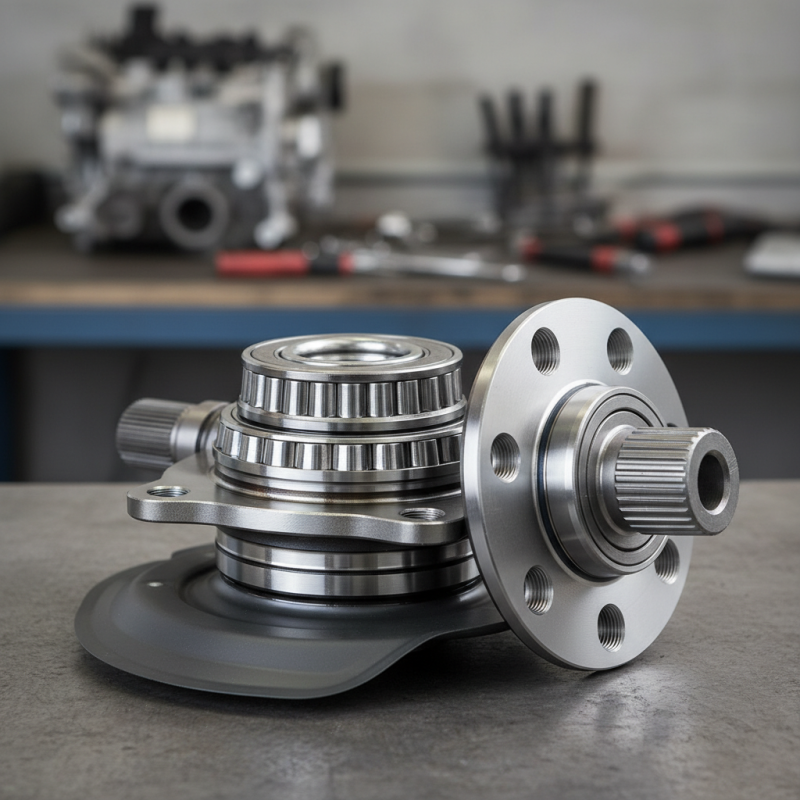
What Are Wheel Hub Bearing Units and How Do They Work
wheel hub bearing units play a crucial role in vehicle performance. These components are essential for smooth wheel rotation. They are located at each wheel, providing support for the weight of the vehicle. The design of wheel hub bearing units ensures durability and reliability over time.
Understanding how these units work helps in recognizing their importance. They reduce friction while allowing wheels to spin freely. This process enhances fuel efficiency and improves handling. However, like any mechanical part, they can wear out and fail.
It's important to monitor the condition of wheel hub bearing units regularly. Signs of wear can include noise or vibration during driving. Addressing these issues early can prevent costly repairs. Awareness of these components leads to safer driving experiences and a better understanding of vehicle maintenance.
What is a Wheel Hub Bearing Unit?
A wheel hub bearing unit is a crucial component in modern vehicles. It connects the wheel to the axle and supports both the weight of the vehicle and the forces during acceleration and braking. Typically, these units are made of steel or aluminum and designed to endure high stress. According to a report by the Automotive Aftermarket Suppliers Association, over 80% of all vehicle maintenance involves wheel components, highlighting their importance.
Functionally, wheel hub bearing units allow for smooth rotation of the wheel. They reduce friction and wear, ensuring a stable ride. As the wheels turn, these bearings facilitate movement while maintaining alignment and load distribution. This is essential for safety and efficiency. Interestingly, a study from the Society of Automotive Engineers found that poor wheel bearing performance can decrease a vehicle’s fuel efficiency by up to 10%.
Challenges exist in the durability of these units. Factors like environmental conditions and driving habits can lead to premature failure. For instance, frequent exposure to moisture can corrode bearings. Monitoring for signs of wear and ensuring proper maintenance is vital. Many drivers forget that small noises might signal bigger issues. Being proactive can prevent costly repairs down the road.
Components of Wheel Hub Bearing Units
Wheel hub bearing units play a crucial role in vehicle performance and safety. These units consist of several key components. They typically include inner and outer rings, rolling elements, and seals. The inner and outer rings provide structural support. Rolling elements, usually steel balls or rollers, allow smooth rotation. Seals protect the internal parts from dirt and moisture.
The bearings must work under significant stress. High-performance vehicles often face more demanding conditions. A study by the Automotive Aftermarket Suppliers Association indicates that worn wheel bearings can lead to a 10% decrease in fuel efficiency. Regular inspections are essential for maintaining performance.
Tips: Always listen for unusual noises from the wheels. These can indicate bearing issues. Periodic maintenance can help you avoid costly repairs. Additionally, using quality grease is vital for longevity. A good seal extends the life of these units but is often overlooked. Not maintaining your wheel bearings can lead to serious safety concerns.
How Wheel Hub Bearing Units Function
Wheel hub bearing units play a crucial role in vehicle dynamics. They support the wheel and allow it to rotate smoothly. Located at each wheel, these units bear the load of the vehicle. They consist of several components, including bearings, seals, and sometimes sensors.
When the wheel turns, the bearing units facilitate rotation with minimal friction. This process involves the inner and outer raceways of the bearings. The design allows for efficient energy transfer from the wheel to the axle. However, over time, wear and tear can compromise these components. Regular inspections can reveal issues like noise or vibration that might go unnoticed initially.
In some cases, drivers might ignore subtle signs of bearing failure. This can lead to more significant problems down the road. Cleaning and lubrication can help maintain functionality. Yet, these preventive measures are often overlooked. A proactive approach is essential for the longevity of wheel hub bearing units. Maintaining them is not just a recommendation; it’s a necessity for safety on the road.
Signs of Wheel Hub Bearing Unit Failure
Wheel hub bearing units are crucial for vehicle performance and safety. They allow wheels to rotate smoothly while supporting the vehicle's weight. However, over time, these components can fail. Recognizing the signs of failure is essential for maintaining vehicle safety.
One major sign of a failing wheel hub bearing unit is unusual noises. A grinding or humming sound during driving often indicates wear. According to a recent report by the Society of Automotive Engineers, over 25% of automotive failures stem from bearing issues. This highlights the importance of early detection. Additionally, vibrations felt in the steering wheel can signal an impending failure. Ignoring these symptoms can lead to more severe problems, including wheel detachment.
Another critical sign is uneven tire wear. Bearings that are failing can cause misalignment, affecting tire performance. Research shows that up to 30% of premature tire wear is linked to faulty wheel bearings. Drivers should also be aware of changes in handling. If the vehicle pulls to one side, it may suggest a compromised bearing. Vigilance and timely inspections can prevent costly repairs or accidents.
Wheel Hub Bearing Unit Failure Signs and Their Occurrence
Maintenance and Replacement of Wheel Hub Bearing Units
Wheel hub bearing units play a critical role in vehicle performance. Proper maintenance is essential to ensure their longevity. A worn-out bearing can lead to increased noise, vibrations, and safety issues. Regular inspections help identify problems early. Pay attention to unusual sounds when driving. This could be a sign of wear or damage.
Tips: Check for grease leaks. If you see any, it might be time for a replacement. Listen for grinding noises during turns. This can indicate that the bearing is failing.
Replacing a wheel hub bearing unit can be a complex DIY task. Some may find it challenging due to the tight spaces and heavy components. Improper installation can lead to further issues. Using the right tools is critical. Make sure to follow the correct torque specifications during installation.
Tips: Consider professional help if you're unsure. It can save you time and potential future expenses. Always keep your service records. This can help track maintenance and improve the longevity of your vehicle components.
What Are Wheel Hub Bearing Units and How Do They Work - Maintenance and Replacement of Wheel Hub Bearing Units
| Feature | Description | Maintenance Tips | Replacement Indicators |
| Function | Supports the vehicle's weight, allows wheel rotation. | Regularly inspect for noise or vibration. | Unusual noises, excessive play, or vibration. |
| Types | Single or dual row bearing units. | Keep the hub clean; avoid water and debris entry. | Visible damage or discoloration. |
| Materials | Steel and composite materials. | Check for rust or corrosion regularly. | Increased heat generation during operation. |
| Lubrication | Sealed units typically require no re-lubrication. | Ensure seals are intact to keep lubrication in. | Leakage of grease or lubricant. |
| Lifespan | Typically last 85,000 to 100,000 miles. | Follow manufacturer recommendations for inspection. | Signs of wear beyond expected mileage. |