How to Use Humic Acid for Boosting Soil Health Globally?
Humic Acid is a natural organic substance that plays a vital role in enhancing soil health. Its complex chemistry helps improve soil structure and fertility, making it an essential component for sustainable agriculture. Globally, farmers and agronomists are increasingly recognizing the potential of Humic Acid to boost soil productivity.
Incorporating Humic Acid into soil management practices can lead to significant improvements. It enhances nutrient absorption and increases microbial activity. These changes contribute to better crop yields and healthier ecosystems. However, understanding the ideal application methods is crucial. Overuse or improper use of Humic Acid can result in negative outcomes.
The effects of Humic Acid are not uniform across all soils. Soil type, pH levels, and climate can significantly influence its effectiveness. Therefore, farmers must approach its use with consideration and adaptability. Reflecting on these factors can lead to a more productive and sustainable agricultural practice globally. Balancing knowledge with experience is key in applying this powerful agent.
Understanding Humic Acid and Its Role in Soil Health
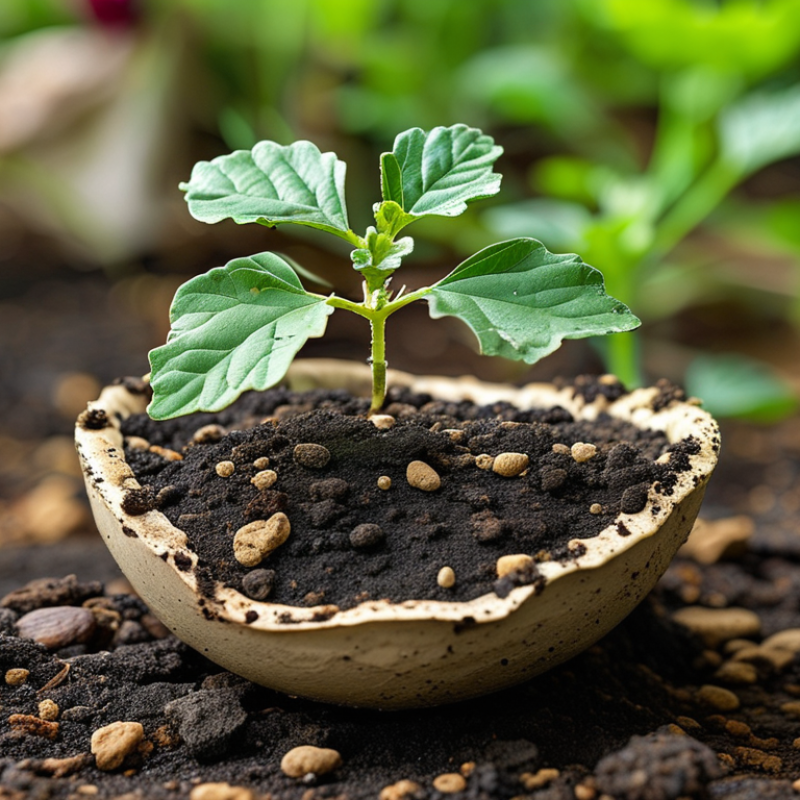
Humic acid plays a crucial role in enhancing soil health. It is a natural component formed during the decay of organic materials. This dark, organic matter improves soil structure, increases nutrient availability, and enhances water retention. Understanding humic acid can guide effective gardening and agriculture practices.
To maximize the benefits of humic acid, here are some tips. First, apply it during soil preparation. Mix it into the soil to improve its texture. This method can lead to better root growth and crop yield. Second, consider using humic acid in compost. It boosts the composting process and enriches the final product.
One common mistake is overapplying humic acid. Excessive use can lead to nutrient imbalances or reduced soil pH. Monitoring soil health regularly can prevent these issues. Moreover, not all soils respond the same way. Conducting a soil test can help tailor your approach based on specific needs. Remember, every soil has unique characteristics that require thoughtful management.
Benefits of Humic Acid for Soil Fertility and Plant Growth
Humic acid is a natural substance derived from organic matter. It significantly enhances soil fertility. The presence of humic acid improves nutrient uptake in plants. It can facilitate the absorption of essential minerals. This leads to healthier plant growth.
Incorporating humic acid boosts soil structure. Improved soil structure enhances water retention. It helps prevent soil erosion as well. Healthy soil supports microbial activity, which is crucial for nutrient cycling. This process benefits crops and increases yields over time.
Farmers may find challenges in applying humic acid effectively. The right dosage can vary based on soil conditions. Testing soil before application is essential. While outcomes often show improvements, results may not be uniform. Understanding local soil characteristics is vital for success.
Methods for Applying Humic Acid in Various Soil Types
When it comes to applying humic acid, understanding soil types is essential. Different soils require unique approaches for optimal results. For sandy soils, humic acid can improve water-retention capabilities. Mixing a specific concentration directly into the soil enhances nutrient absorption. This boosts plant growth significantly, but too much can lead to oversaturation.
For clay-heavy soils, the application is different. Incorporating humic acid can break down dense soil structures. This enhances aeration and drainage, benefiting root development. However, it’s crucial to test the soil’s pH first. A misstep here could hinder the soil rather than help it thrive.
In loamy soils, humic acid acts as a supplement rather than a necessity. While it can enhance microbial activity, too frequent application may disrupt the natural balance. Observing the soil response over time is vital. Adjusting the application method based on observations can lead to better crop outcomes. Every soil type has its quirks. Adapting to these can lead to healthier soil globally.
How to Use Humic Acid for Boosting Soil Health Globally? - Methods for Applying Humic Acid in Various Soil Types
| Soil Type | Application Method | Recommended Dosage (kg/hectare) | Frequency of Application |
| Clay Soil | Mix with Water for Drip Irrigation | 10-15 | Every 4-6 weeks |
| Sandy Soil | Broadcasting on Surface | 5-10 | Every 6-8 weeks |
| Loamy Soil | Incorporate into Soil | 8-12 | Every 3-6 months |
| Peaty Soil | Fertilizer Mix | 12-18 | Every 3-4 months |
| Saline Soil | Soil Amendment | 15-20 | Every 2-3 months |
Integrating Humic Acid into Sustainable Agriculture Practices
Integrating humic acid into sustainable agriculture practices offers numerous benefits. This natural component enhances soil structure, increasing its ability to retain water and nutrients. Farmers often notice improved crop yields after using humic acid. It’s not just about increasing productivity; it’s about nurturing the soil ecosystem. Healthy soil supports diverse organisms, contributing to overall agricultural resilience.
However, there are challenges. Not all soils respond the same way to humic acid. Some may require specific forms or application methods. Farmers must evaluate their soil health and needs before integrating humic acid. Testing soil composition can provide insights into effectiveness. It’s essential to observe and adapt practices based on real-time results.
Sustainable practices should encourage ongoing learning. Regular monitoring of soil and crop health helps refine the use of humic acid. Collaboration among farmers, researchers, and agronomists can foster innovative approaches. Sharing experiences can lead to improved methods and techniques in humic acid application. This community-driven knowledge exchange can create a more sustainable agricultural future.
Using Humic Acid to Boost Soil Health
This chart illustrates the impact of humic acid on various aspects of soil health. The ratings indicate the effectiveness of humic acid in improving soil nutrient retention, enhancing microbial activity, promoting plant growth, improving soil structure, and increasing water retention.
Global Case Studies on Humic Acid's Impact on Soil Improvement
Humic acid has emerged as a vital element in improving soil health globally. Recent studies indicate that humic substances can enhance nutrient availability, stimulate microbial activity, and improve water retention. For instance, a report from the International Research Journal highlighted that soils treated with humic acid saw a 20% increase in crop yields within the first growing season. This demonstrates the potential of humic acid in boosting agricultural productivity.
In Brazil, researchers discovered that applying humic acid to degraded lands not only restored soil structure but also increased organic carbon content. Similar outcomes were observed in India, where farmers reported better plant growth and resilience to drought conditions after using humic acid. These examples show that while humic acid offers promising benefits, challenges remain, such as the variability in soil types and local climate that can affect its effectiveness.
Additionally, the application methods of humic acid require further exploration. Farmers often face difficulties regarding the appropriate dosage and timing of application. Educational programs can help bridge these gaps by providing resources and training on best practices for using humic acid. Continual research is needed to assess long-term impacts and optimize its use in various regions.