Top Wall Panels Trends for Modern Interior Design Solutions?
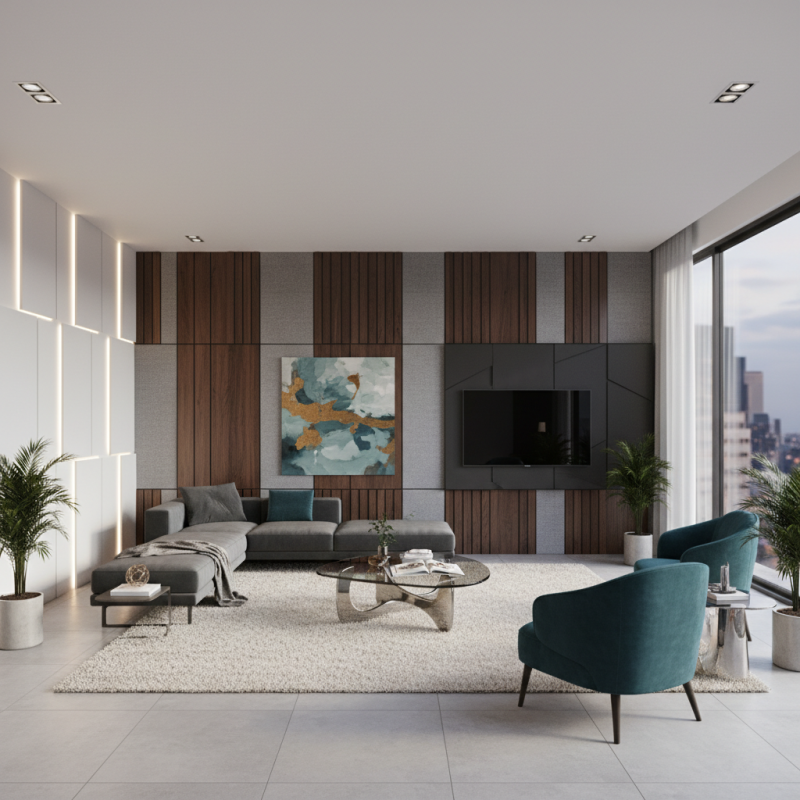
In the evolving world of interior design, Wall Panels have emerged as a pivotal element. These panels offer more than just aesthetics; they transform spaces into vibrant environments. Their versatility in materials and finishes allows designers to tailor designs to unique client needs.
Modern Wall Panels come in various textures and colors. From sleek, minimalist styles to rich, textured surfaces, options abound. They can act as statement pieces or subtle accents, helping to define the character of a room. However, choosing the right panel can be overwhelming. It’s essential to consider the balance between style and functionality.
While Wall Panels provide great opportunities, there are potential pitfalls. Poor installation can undermine their beauty. Misjudging the scale may lead to cluttered appearances. Moreover, not all materials are created equal; some may not withstand wear. Thoughtful planning and expert advice are crucial for achieving desired results in modern interior design.
Emerging Materials for Wall Panels in Contemporary Design
Emerging materials are revolutionizing wall panels in contemporary design. Innovative options like reclaimed wood, bamboo, and cork are gaining popularity. They offer sustainability and aesthetic appeal. Reclaimed wood adds character, while bamboo provides a sleek, modern look. Cork panels are not just eco-friendly; they also offer sound insulation.
Concrete and gypsum boards continue to explore new uses. Decorative concrete finishes can transform a simple wall into a work of art. Textured gypsum panels bring depth and movement to a space. These materials are versatile, making them suitable for both residential and commercial interiors.
Some designs push boundaries, navigating the thin line between innovation and practicality. For example, using acrylic panels allows for vibrant color integration, but they can be prone to scratches. Reflective surfaces might enhance lighting but require constant maintenance to keep them looking pristine. Balancing aesthetics and functionality is essential when considering these materials.
Top Wall Panels Trends for Modern Interior Design Solutions
Color Trends Influencing Modern Wall Panel Aesthetics
Modern wall panel designs are increasingly influenced by color trends that reflect current aesthetic sensibilities. Designers are exploring a wide palette that ranges from soft pastels to bold jewel tones. These colors can significantly impact the mood of a room. For instance, soft blues and greens evoke tranquility, while vibrant yellows and reds can energize a space.
Textures play a vital role in modern paneling as well. Matte finishes often deliver a contemporary look, while glossy finishes can add drama. There are also unique patterns that integrate with color, creating visual interest. Yet, not all shades work harmoniously in every setting. Choosing the right color involves understanding the room's lighting and purpose.
It’s crucial to consider the psychological effects of colors when designing interiors. Some colors may evoke feelings of warmth, while others can feel cold or sterile. This complexity necessitates careful thought and experimentation. Designers must be open to trial and error, as what looks good in theory may not always translate well in practice.
Innovative Textures and Finishes for Impactful Wall Panels
Innovative textures and finishes for wall panels are shaping modern interior design. The trend is shifting towards materials that evoke a sense of warmth and sophistication. A recent market analysis by the Interior Design Association revealed that 72% of designers prefer textured finishes over traditional flat surfaces. Textured wall panels create depth and intrigue, inviting touch and interaction.
Natural materials are gaining traction. Wood, stone, and recycled composites are popular choices for their aesthetic appeal and sustainability. Approximately 65% of homeowners reported a desire for eco-friendly options in their interiors. Textured finishes, like rough-hewn wood or stone, tell a story. They add character to spaces that might otherwise feel sterile or uninviting. However, achieving the right balance is essential. Overusing bold textures can overwhelm a room.
Incorporating innovative approaches can be challenging. Finding the fine line between texture and chaos requires careful planning. Many designers note that too much visual stimulus can lead to a cluttered appearance. Using textures in selective areas, such as feature walls or accent sections, allows for impactful design without overwhelming the overall ambiance. Balancing aesthetics with comfort remains a constant design challenge.
Sustainable Practices in Wall Panel Production and Design
The trend toward sustainability in wall panel production is gaining traction. A recent report from the World Green Building Council indicates that approximately 40% of global carbon emissions come from buildings. This highlights the urgent need for eco-friendly materials in interior design. Designers and architects are increasingly incorporating recycled materials into their wall panels. For instance, reclaimed wood and recycled plastic are popular choices. They not only reduce waste but also add unique character to spaces.
Innovations in manufacturing processes improve sustainability. Some companies utilize low-VOC adhesives, which are better for indoor air quality. The shift to digital fabrication also minimizes waste. A study by the U.S. Green Building Council found that sustainable building practices can reduce energy costs by 30% to 50%. However, not all materials are created equal. Consumers must be cautious of claims misleadingly labeled as "green." Evaluating certifications and verifying sourcing is essential.
Sustainable wall panels can vary in price. The initial costs may be higher, but the long-term benefits justify the investment. They contribute to a healthier environment and often increase property value. Yet, as the market expands, challenges remain. The availability of truly sustainable options can be limited. Therefore, continuous research and development must address these gaps. The journey towards sustainability in wall panel design is ongoing, with both progress and hurdles.
Top Wall Panels Trends for Modern Interior Design Solutions
| Trend | Description | Sustainability Aspect | Design Style |
| Natural Materials | Use of wood, bamboo, and stone to create warmth and texture. | Renewable resources; minimal processing. | Rustic, Organic |
| Recycled Materials | Panels made from reclaimed wood and recycled plastics. | Reduces waste; promotes circular economy. | Modern, Industrial |
| Eco-friendly Finishes | Use of low-VOC and non-toxic coatings for wall panels. | Improves indoor air quality; safer for occupants. | Contemporary, Minimalist |
| Modular Wall Systems | Interchangeable panels for flexible space layouts. | Encourages reuse; adaptability for future needs. | Futuristic, Versatile |
| Biophilic Design | Incorporating natural elements like living walls and greenery. | Supports biodiversity and ecological health. | Zen, Naturalist |
Integrating Technology into Wall Panel Solutions for Homes and Offices
The integration of technology into wall panel solutions is reshaping modern interior design. Reports indicate that smart materials and integrated technology can enhance functionality and aesthetics in homes and offices. For instance, homes with smart wall panels can adjust lighting and temperature, creating an optimized living environment. According to a study by MarketsandMarkets, the global smart home market is expected to grow from $79 billion in 2020 to $135 billion by 2025.
Incorporating technology into design not only improves convenience but also boosts energy efficiency. Wall panels featuring built-in sensors can monitor energy usage and suggest optimizations. These innovations help reduce energy costs and minimize environmental footprints. However, integrating technology presents challenges. Homeowners may struggle with compatibility and installation costs, which can deter investment.
Tips: Always assess the long-term benefits versus initial costs. Research technology compatibility with existing systems. It’s vital to consider installation feasibility and potential updates. Engaging with professionals can mitigate these risks. With evolving trends, ensuring reliability and functionality should remain a priority.