Top Quality Matcha Powder Sourcing Tips for Global Buyers?
In the world of premium culinary ingredients, matching quality with source is vital. Steve Tan, a renowned expert in the Matcha Powder industry, states, “The origin of matcha defines its flavor and quality.” Selecting the right Matcha Powder involves understanding various sourcing nuances that affect both taste and health benefits.
Global buyers must recognize the distinct characteristics of different matcha sources. Regions in Japan, such as Uji and Nishio, are known for their exceptional production. Yet, not all vendors adhere to high standards. Some suppliers may misrepresent their product's quality. This can lead to disappointing culinary experiences for end consumers.
When sourcing Matcha Powder, assessing authenticity and quality is crucial. Look for color vibrancy and fine texture. These characteristics indicate superior quality. Does the supplier provide detailed information about their sourcing practices? The journey from tea leaf to final product matters significantly. Navigating this landscape may seem daunting, but with informed choices, buyers can ensure they procure only the finest Matcha Powder for their needs.
Understanding the Importance of Quality in Matcha Powder Selection
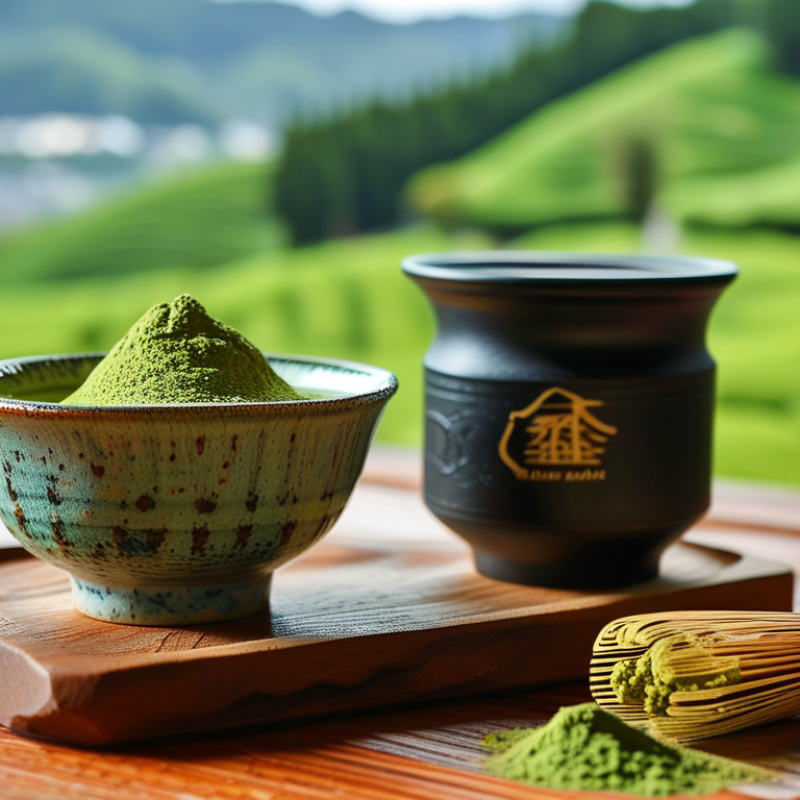
When sourcing matcha powder, understanding quality is crucial. Quality can influence flavor, color, and health benefits. High-quality matcha is vibrant green and fine in texture. If it appears dull or grainy, reconsider your choice. This simple observation can help avoid disappointment.
Look for organic certifications to ensure premium sourcing methods. Organic matcha is farmed without harmful pesticides. This contributes to both quality and safety. However, suppliers vary. Each might have different standards or practices, leading to discrepancies in quality. Engage with producers to learn about their sourcing processes.
Taste testing can provide insights into quality. A rich, umami flavor indicates the matcha is fresh and well cultivated. Engaging with tastings also reveals your preferences. Quality should not just be assumed; it requires exploration. If a sample lacks depth, it might not meet your standards. In sourcing, perfection is rare. Reflect on your choices and keep an open mind. Quality sourcing is an evolving journey, not a destination.
Top Quality Matcha Powder Sourcing Tips for Global Buyers
| Quality Indicator | Description | Importance | Key Sourcing Tips |
| Color | Vibrant green color indicating quality | Indicates freshness and quality of leaves | Look for bright green hues in powder |
| Texture | Fine, smooth powder | Affects the flavor and mouthfeel | Sift before using to check consistency |
| Flavor Profile | Balanced sweetness and umami | Ensures a rich drinking experience | Taste samples from different suppliers |
| Origin | Region where matcha is produced | Impact on flavor and quality | Research regions known for high-quality matcha |
| Certification | Organic or quality certifications | Assures product is free from harmful chemicals | Request certifications from suppliers |
Key Factors Influencing Matcha Powder Prices Globally
When sourcing matcha powder, several key factors can significantly influence its price. The quality of matcha is often determined by its origin. Japan is renowned for its premium matcha varieties. Factors like cultivation methods and processing also play crucial roles. These elements contribute to the unique flavors and vibrant colors found in high-quality matcha.
One important tip for buyers is to consider the grade of matcha. Ceremonial grade matcha tends to be pricier due to its superior quality and attributes. This grade is ideal for traditional tea ceremonies and drinking. In contrast, culinary grade matcha, although more affordable, can still offer great flavor for cooking and baking. Understanding these grades is vital for making informed purchasing decisions.
Another factor to keep in mind is the seasonality of matcha production. Harvest time directly affects availability and price. Spring is considered the best time for matcha harvesting, which leads to fresher and more flavorful products. It's also wise to establish relationships with suppliers who can provide consistent quality and transparency regarding sourcing practices. This can lead to better pricing and reliability in supply.
Evaluating Matcha Grade: Culinary vs. Ceremonial Quality
When it comes to matcha, not all powders are created equal. Understanding the difference between culinary and ceremonial grades is essential for sourcing top-quality matcha. Culinary matcha is generally more robust in flavor and less expensive. It is intended for use in recipes, lattes, and desserts. On the other hand, ceremonial grade matcha has a finer texture and a more vibrant green color. It is specifically produced for traditional tea ceremonies.
Ceremonial grade matcha requires meticulous cultivation and harvesting. The shading of the tea plants increases chlorophyll production, which enhances the flavor profile. Look for matcha that is bright green, with a fine, silky texture. It should dissolve easily in water. This level of quality often comes from specific regions in Japan known for their premium matcha production.
While evaluating grades, consider your needs carefully. Culinary matcha may serve practical purposes, but it won’t offer the same health benefits and flavor experience as Ceremonial Matcha. Pay attention to sourcing practices too. Transparency from suppliers is crucial. Without solid knowledge and reliable sources, it’s easy to make poor choices. Investing time to understand the differences can lead you to a matcha that truly satisfies your taste and health needs.
Matcha Powder Quality Comparison
This bar chart compares the quality scores of culinary and ceremonial matcha powders based on various factors such as taste, aroma, and color. Culinary matcha scores lower due to its intended use in cooking, while ceremonial matcha, meant for traditional tea ceremonies, achieves a higher score for its superior quality and flavor profile.
Sourcing Regions: Japan's Matcha Cultivation and Its Global Impact
Japan is renowned for its premium matcha cultivation. The unique climate and rich soil in regions like Uji and Nishio create optimal growing conditions. These areas produce matcha with vibrant color and intense flavor. Farmers often use traditional methods passed down through generations. This dedication to craftsmanship enhances the quality of the matcha.
The global impact of Japanese matcha is significant. Consumers and businesses alike are increasingly seeking high-quality matcha. This trend has driven up demand, but not all products meet the same standards. Buyers need to be discerning. Examining origin, certification, and production methods is crucial. Understanding the intricacies of matcha sourcing can be overwhelming. Quality varies widely, and some sources may not be reliable. Developing a knowledgeable approach is essential for achieving the best outcomes.
Ensuring Authenticity: How to Identify Genuine Matcha Powder
When sourcing matcha powder, authenticity is key. Genuine matcha has a vibrant green color, not dull or yellowish. The texture should be fine and silky, indicating proper grinding. Authentic matcha also has a fresh, grassy aroma. Look for the bright hue and a rich scent; these are signs of quality.
Research is essential in ensuring that you are purchasing genuine matcha. Examine the supplier’s reputation and history. Reliable suppliers provide detailed information about their sourcing practices. Ask for certificates of authenticity or product testing. Transparency is crucial; any hesitation can be a red flag.
Beware of prices that seem too good to be true. If you find matcha at a significantly lower cost, question its quality. Genuine matcha involves meticulous cultivation and processing, which comes with a price. Take the time to taste before committing to a larger order. This will help you reflect on the flavor profile and overall quality.