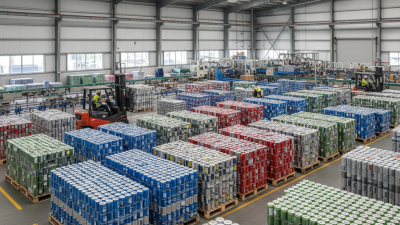
As the demand for sustainable packaging continues to grow, aluminum can suppliers play a crucial role in the market. In 2026, the landscape will evolve, highlighting innovative companies that prioritize eco-friendly practices. These suppliers provide essential products for beverage manufacturers, ensuring quality and sustainability.
Choosing the right aluminum can supplier is not just about cost. Factors like reliability, production capacity, and sustainability practices are critical. Global buyers must navigate a complex market, evaluating suppliers based on their expertise and reputation. Each supplier offers unique advantages, making informed decision-making essential.
Reflecting on past experiences with suppliers can lead to better partnerships. An understanding of the market trends helps identify strengths and weaknesses. As the industry shifts, it’s vital to stay updated. Engaging with reputable aluminum can suppliers will drive both profitability and environmental responsibility.
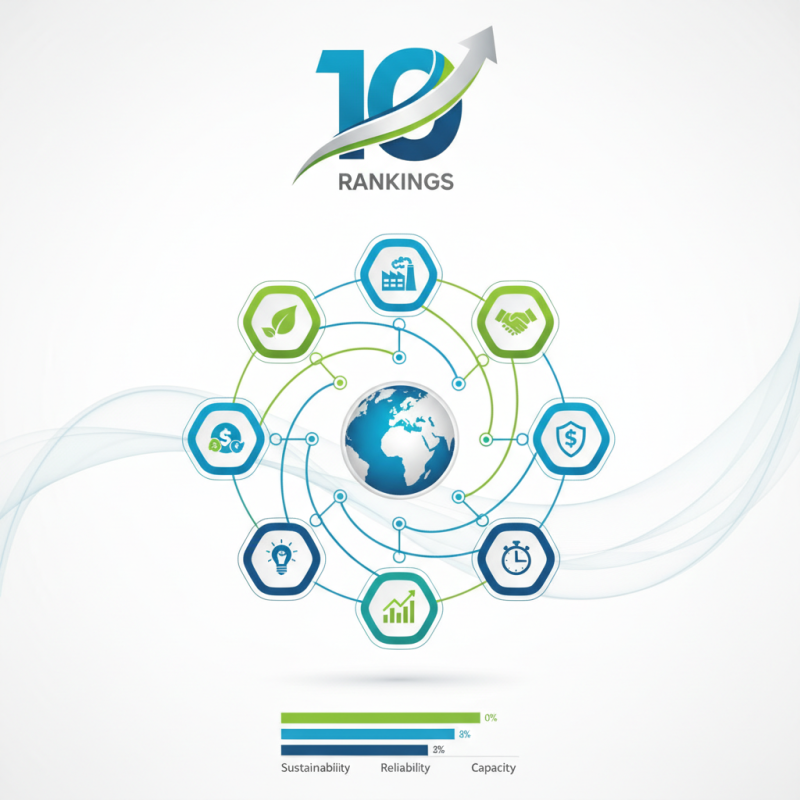
The beverage industry is experiencing a significant shift towards aluminum cans. By 2026, demand is expected to soar. This trend is driven by consumer preferences for sustainable packaging. Aluminum cans are lightweight, recyclable, and energy-efficient. This makes them an attractive choice for environmentally conscious brands.
In recent years, beverage companies have been re-evaluating their packaging options. Many are recognizing that aluminum offers a better product shelf life compared to plastic or glass. However, the transition is not without challenges. Sourcing high-quality aluminum can be an obstacle. Buyers must navigate varying supply chain conditions.
Moreover, the production process has its drawbacks. Equipment for aluminum can manufacturing can be costly. Companies need to invest in advanced technology to stay competitive. Despite these hurdles, the benefits often outweigh the costs. The potential for reduced environmental impact and increased customer loyalty is substantial. As the industry evolves, suppliers must adapt to meet the growing demand for aluminum cans.
The aluminum can market is poised for significant growth by 2026. Key suppliers are strategically expanding their capabilities. Enhanced production technologies are shaping market dynamics. These advancements improve quality and efficiency. Buyers are increasingly drawn to suppliers that emphasize sustainability.
Market share analysis reveals diverse players in this sector. Some companies dominate through innovation. Smaller suppliers offer niche products, catering to specific needs. This diversity creates competition, enhancing options for buyers.
Trends indicate a push for eco-friendly materials, driving supplier strategies. Many companies are committed to reducing their carbon footprint. However, challenges remain in balancing cost with sustainability. Adapting to consumer preferences is crucial for long-term success. As global demands evolve, companies must remain agile.
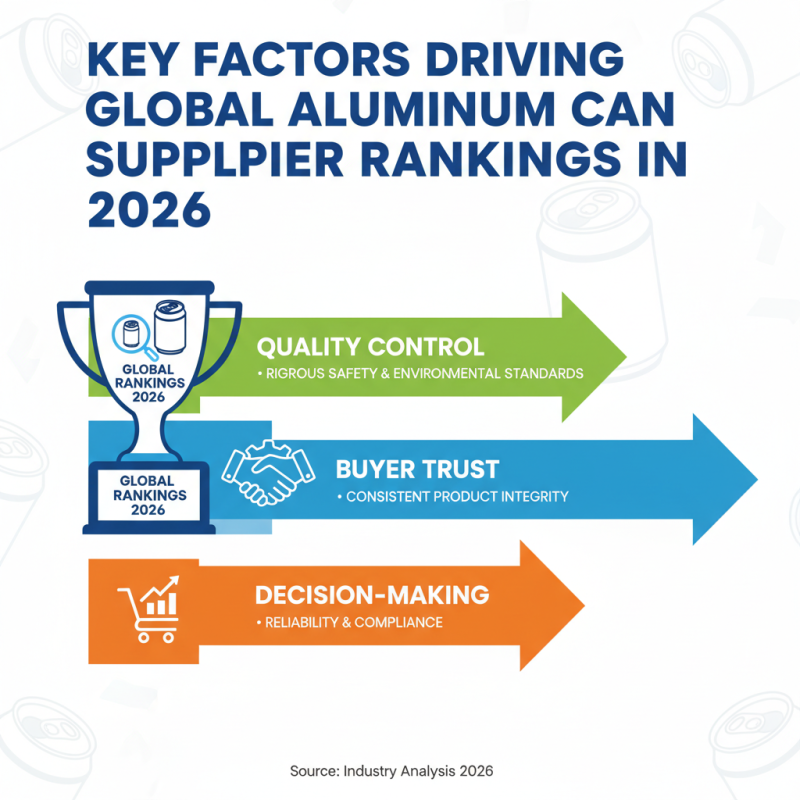
In 2026, aluminum can suppliers will rank based on several key factors. Quality control is paramount. Suppliers must ensure that products meet rigorous safety and environmental standards. The ability to maintain consistent quality can significantly impact buyer trust and decision-making.
Sustainability concerns will increasingly influence supplier rankings. Companies that prioritize eco-friendly practices are likely to outperform others. Embracing recycled materials and reducing carbon footprints will be critical. Innovative manufacturing techniques should also be considered. Suppliers that invest in technology to streamline production may gain a competitive edge.
Market responsiveness is another factor worth noting. Suppliers who adapt quickly to changing consumer preferences will thrive. Real-time data and analytics should guide their strategies. However, not every supplier can address market changes effectively. Many lose ground by failing to anticipate trends. This reflection on adaptability highlights the dynamic nature of the market. A supplier's ability to pivot can make all the difference in a competitive landscape.
As sustainability becomes imperative, aluminum can production is undergoing significant transformations. The International Aluminum Institute reports that the global aluminum can market will reach approximately 1.5 million tons by 2026. This growth in demand emphasizes the urgent need for more sustainable practices within production and supply chains.
Recycling plays a crucial role in this shift. The Aluminum Association states that recycled aluminum uses 95% less energy than new aluminum production. However, challenges remain. Not all regions have robust recycling systems, leading to inefficiencies. Companies must address this gap to meet sustainability goals effectively.
Furthermore, sourcing practices are evolving. The emphasis on ethical sourcing is more pronounced than ever. Sustainable practices need robust tracking and transparency throughout the supply chain. The potential for mixed materials complicates this process. Buyers are urged to prioritize suppliers who demonstrate a commitment to sustainable sourcing.
The aluminum can industry is undergoing a transformative shift, driven by emerging technologies. Automation is revolutionizing production lines. Robots now handle tasks with precision, improving speed and reducing human error. This shift enhances efficiency and lowers production costs.
Advanced recycling methods are also on the rise. These techniques improve the recovery rates of aluminum. Better sorting and processing of scrap aluminum is crucial. This not only conserves resources but also supports sustainability goals.
However, challenges remain. The integration of new technologies requires significant investment and training. Many companies struggle to adapt to rapid changes. Balancing innovation with practicality is essential for long-term success. The future of aluminum can production is bright, yet it demands careful navigation through emerging trends and evolving demands.
| Cookie | Duration | Description |
|---|---|---|
| cookielawinfo-checkbox-analytics | 11 months | This cookie is set by GDPR Cookie Consent plugin. The cookie is used to store the user consent for the cookies in the category "Analytics". |
| cookielawinfo-checkbox-functional | 11 months | The cookie is set by GDPR cookie consent to record the user consent for the cookies in the category "Functional". |
| cookielawinfo-checkbox-necessary | 11 months | This cookie is set by GDPR Cookie Consent plugin. The cookies is used to store the user consent for the cookies in the category "Necessary". |
| cookielawinfo-checkbox-others | 11 months | This cookie is set by GDPR Cookie Consent plugin. The cookie is used to store the user consent for the cookies in the category "Other. |
| cookielawinfo-checkbox-performance | 11 months | This cookie is set by GDPR Cookie Consent plugin. The cookie is used to store the user consent for the cookies in the category "Performance". |
| viewed_cookie_policy | 11 months | The cookie is set by the GDPR Cookie Consent plugin and is used to store whether or not user has consented to the use of cookies. It does not store any personal data. |