Top 10 Aerosol Filling Companies for Reliable Packaging Solutions
In the ever-evolving landscape of packaging solutions, aerosol filling companies play a pivotal role in ensuring that products are safely and efficiently dispensed. Whether it’s personal care items, household cleaners, or industrial applications, these companies provide the necessary expertise and technology to meet diverse consumer needs. As the demand for aerosol products continues to rise, selecting a reliable filling partner is essential for manufacturers looking to enhance their production capabilities and maintain product integrity.
This article delves into the top 10 aerosol filling companies that are leading the industry with innovative solutions and a commitment to quality. By focusing on key factors such as efficiency, sustainability, and customization, these companies have established themselves as trusted partners in the packaging sector. As we explore each company, it becomes evident that understanding their unique offerings can greatly benefit businesses striving to excel in an increasingly competitive market.
Overview of Aerosol Filling Companies in the Packaging Industry
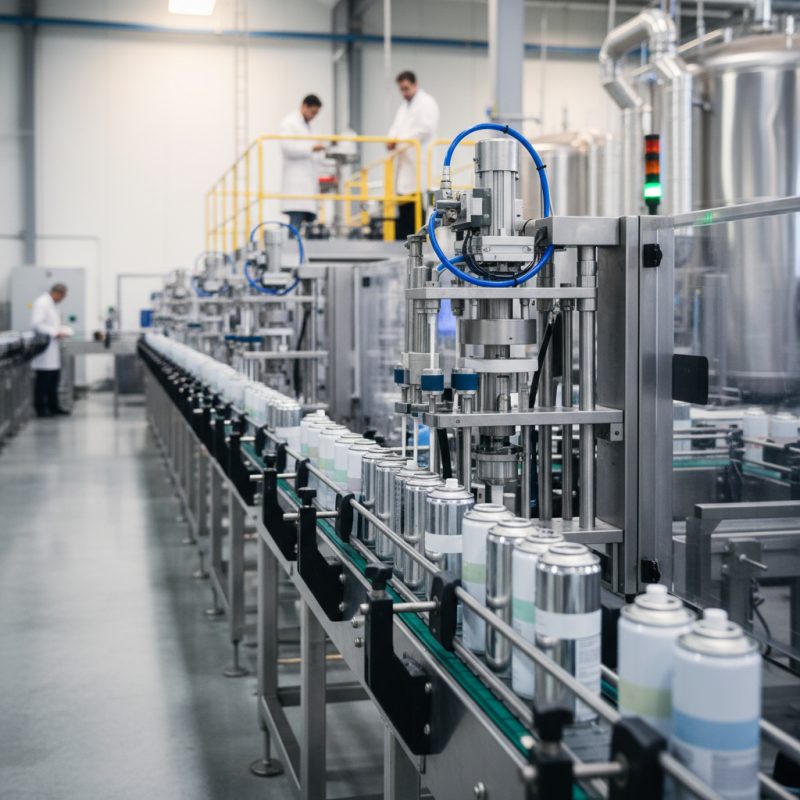
Aerosol filling companies play a crucial role in the packaging industry, delivering efficient solutions for a wide range of products, including household cleaners, personal care items, and industrial applications. The growing demand for aerosol products has led to a significant increase in the number of companies specializing in this niche. According to a report from MarketsandMarkets, the global aerosol can market is projected to reach approximately $81.6 billion by 2026, growing at a CAGR of 3.2% from 2021. This growth reflects a rising preference for convenient and sustainable packaging options, positioning aerosol filling companies at the forefront of innovation.
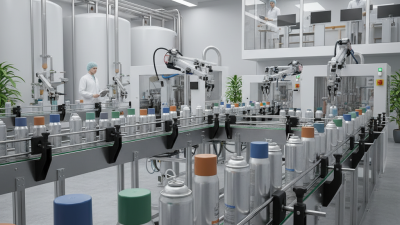
In the realm of technology and sustainability, many aerosol filling companies are adopting advanced filling systems and environmentally friendly practices. Recent studies indicate that the use of recyclable materials for aerosol packaging has surged, contributing to lower environmental impact. For instance, a study published by Smithers Pira highlights that lightweight and recyclable aerosol cans not only reduce carbon emissions during production but have also improved consumer perceptions towards brand sustainability. Additionally, companies are increasingly incorporating automation and robotics into their production lines, which enhances efficiency and accuracy in the filling process, allowing them to meet the growing market demands effectively.
Criteria for Evaluating Top Aerosol Filling Companies
When searching for the top aerosol filling companies, the evaluation criteria are paramount to ensure reliable packaging solutions. Key factors to consider include technological capabilities, production capacity, and quality control processes. Companies that invest in advanced machinery and automated systems tend to provide more consistent and precise filling. High-volume production capabilities are also essential, as they allow for scalability and meeting varying demand levels.
Additionally, consider the company’s experience and reputation in the market. A proven track record of delivering high-quality products and maintaining excellent customer service can significantly enhance your partnership's reliability. Customer testimonials and industry certifications provide insights into a company’s credibility and commitment to meeting industry standards.
Tips for selecting an aerosol filling company include assessing their ability to customize solutions to meet your specific needs. Flexibility in production runs, as well as their willingness to accommodate unique packaging requirements, can be invaluable. Furthermore, engaging with companies that prioritize sustainability in their practices may align with your brand's values and appeal to eco-conscious consumers. Always conduct thorough research and possibly seek recommendations from industry peers before making a decision.
Top 10 Aerosol Filling Companies for Reliable Packaging Solutions
Profiles of Leading Companies in the Aerosol Filling Sector
The aerosol filling sector is a critical component of the packaging industry, providing effective solutions for a variety of products including personal care, household cleaners, and industrial applications. According to a recent market research report, the global aerosol filling market is projected to grow at a compound annual growth rate (CAGR) of approximately 4.5% from 2021 to 2028. This growth is driven by increasing consumer demand for efficient packaging options that preserve product integrity and enhance user convenience.
Leading companies in the aerosol filling industry stand out due to their commitment to innovation and sustainability. These firms invest heavily in advanced filling technologies and automation to improve efficiency while minimizing waste. Additionally, many of these companies prioritize eco-friendly practices, aligning their operations with regulatory standards and consumer preferences for sustainable products. For instance, a report by the Aerosol Association highlights that about 70% of aerosol products now incorporate recyclable materials, reflecting a significant trend towards environmental responsibility within the sector.
As the market continues to evolve, companies that excel in research and development will likely dominate the landscape. Those focusing on enhancing user experience through ergonomic designs and multi-functional solutions are positioned for substantial growth. The aerosol filling sector offers promising opportunities for businesses that can adapt to changing market demands while upholding quality and reliability in their packaging solutions.
Innovations and Technologies in Aerosol Packaging Solutions
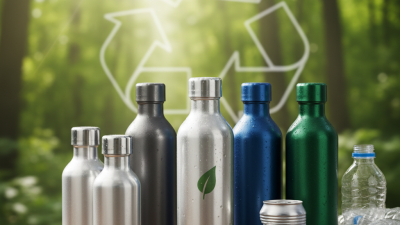
The aerosol packaging industry has seen remarkable advancements, driven by innovations in technology and sustainability. From the development of eco-friendly propellants to smart delivery systems, companies are continuously pushing the boundaries of aerosol filling solutions. These advancements not only enhance user experience but also align with growing environmental concerns. Solutions now focus on minimizing waste and promoting recyclability, which is becoming a key competitive advantage in the market.
When exploring aerosol packaging solutions, consider these tips: first, delve into the types of materials used. Selecting recyclable and sustainable materials can greatly influence your brand's environmental footprint. Second, prioritize manufacturers who incorporate innovative technologies, such as pressure control systems and automated filling processes, to enhance product consistency and safety. Lastly, stay informed about new propellant options that provide efficient dispersal while reducing harmful emissions.
Innovations in aerosol technology also include features like dose control and improved nozzle designs. These advancements ensure precision in application, catering to diverse consumer needs across industries. As companies continue to innovate, they are crafting solutions that not only meet regulatory standards but also resonate with eco-conscious consumers, paving the way for a more sustainable future in aerosol packaging.
Top 10 Aerosol Filling Companies for Reliable Packaging Solutions - Innovations and Technologies in Aerosol Packaging Solutions
| Company Location |
Filling Capacity (units/hour) |
Technology Used |
Specialization |
Sustainability Practices |
| USA |
650 |
Semi-Automatic |
Personal Care Products |
Recyclable Materials |
| Germany |
1200 |
Fully Automatic |
Household Cleaners |
Energy Efficiency |
| China |
800 |
Hybrid System |
Automotive Care |
Waste Reduction |
| Canada |
700 |
Vacuum Filling |
Food Products |
Biodegradable Packaging |
| Brazil |
600 |
Pressure Filling |
Cosmetics |
Plant-Based Materials |
| UK |
900 |
Inline Filling |
Pharmaceuticals |
Carbon Neutral Facilities |
| France |
1000 |
Automated Systems |
Industrial Products |
Circular Economy Initiatives |
| Italy |
1100 |
Robotic Automation |
Aerosol Paints |
Low Emission Techniques |
| India |
750 |
Semi-Automatic |
Household Products |
Waste Minimization |
| Japan |
1300 |
Advanced Robotics |
Electronics |
Sustainable Energy Use |
Market Trends and Future Outlook for Aerosol Filling Services
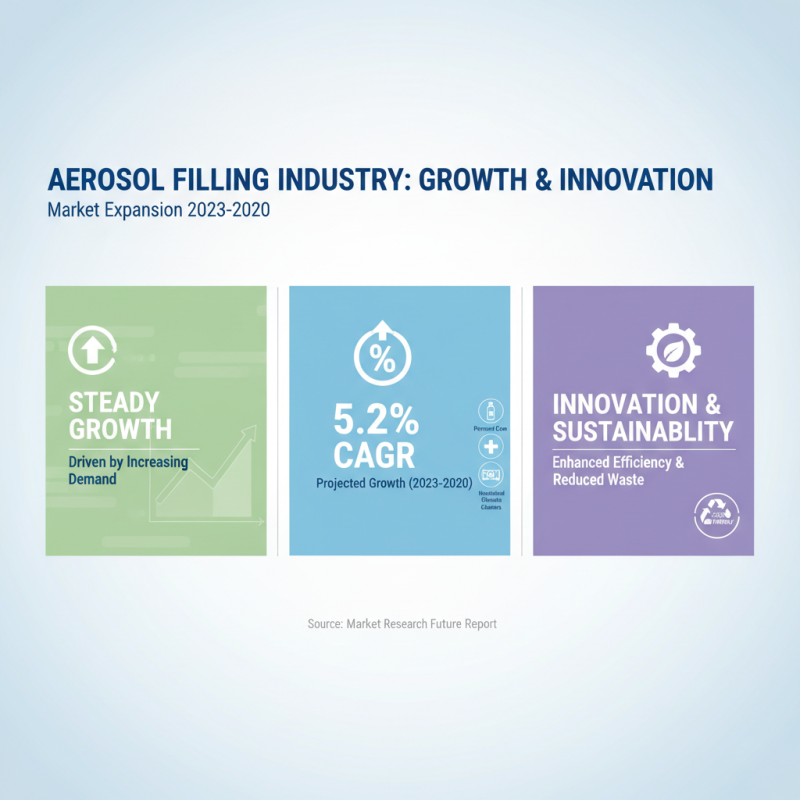
The aerosol filling industry is witnessing steady growth, driven by increasing demand for various packaged products across multiple sectors including personal care, pharmaceuticals, and household cleaners. According to a recent report by Market Research Future, the global aerosol filling market is projected to expand at a compound annual growth rate (CAGR) of approximately 5.2% from 2023 to 2030. This growth is fueled by innovations in aerosol technology that enhance efficiency and reduce waste, contributing to sustainability initiatives.
Moreover, market trends indicate a significant shift towards automated filling systems, which not only improve production efficiency but also ensure consistent quality. The integration of smart technologies in filling processes allows manufacturers to gather real-time data, minimize downtime, and enhance operational transparency. As reported by Smithers Pira, the market for automated aerosol filling solutions is expanding, reflecting an industry-wide push towards smarter manufacturing practices. This trend is expected to become more pronounced, with industry leaders investing in advanced technologies that facilitate bulk production while adhering to stringent environmental regulations.
In terms of future outlook, the aerosol filling services sector must adapt to evolving consumer preferences that lean towards eco-friendly packaging. A survey conducted by Mintel highlights that 72% of consumers are willing to pay more for products that are packaged sustainably. Consequently, aerosol filling companies are likely to develop innovative solutions that not only meet market demands but also address regulatory pressures concerning sustainability. These advancements will be crucial for companies looking to maintain a competitive edge in the rapidly evolving packaging landscape.