Top Aerosol Filling Companies in China Why They Matter
The aerosol filling industry in China plays a crucial role in both domestic and global markets. As of 2022, the market value of aerosol products in China reached approximately $10 billion, reflecting a growth rate of over 7% annually. This trend highlights the increasing demand for aerosol fillings across various sectors, from personal care to household products.
Aerosol filling companies are pivotal to this growth. They ensure high efficiency and quality in production. However, challenges persist. Many companies grapple with outdated technology, impacting operational efficiency. The need for innovation and modernization is pressing.
Moreover, the competitive landscape is intensifying. Not all aerosol filling companies maintain the same standards, leading to variance in product quality and reliability. Industry reports indicate that the top companies are focused on sustainability. These leaders are integrating eco-friendly practices into their operations, setting new benchmarks. Understanding who these players are and their impact is essential for stakeholders in the industry.
Overview of the Aerosol Filling Industry in China
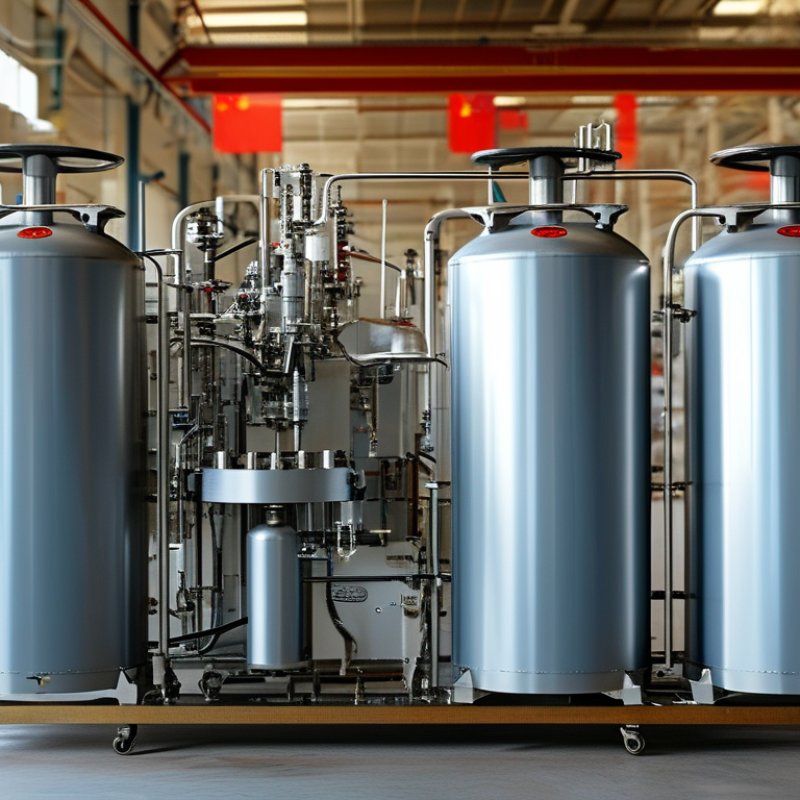
The aerosol filling industry in China is a dynamic sector experiencing significant growth. Recent market reports indicated that the industry is projected to reach a value of approximately $9 billion by 2025, driven by increasing consumer demand for aerosol products. This demand is particularly prominent in household care, personal care, and automotive industries. The convenience offered by aerosols appeals to modern consumers, making this market vital for manufacturers.
Despite its potential, challenges persist. Quality control and regulatory compliance remain critical issues. Companies often struggle to meet stringent safety standards. A survey indicated that nearly 30% of aerosol producers faced difficulties with regulatory requirements. This situation reflects broader issues within the industry regarding product safety and sustainability. There's a growing call for improved practices to ensure product integrity and environmental responsibility.
Innovation plays a key role in the future of this industry. Many companies are investing in research and development for eco-friendly aerosol solutions. Consumers are increasingly aware of environmental impacts, prompting shifts towards sustainable materials and practices. Adapting to these changing demands may be challenging but essential for long-term success. The industry's evolution will depend on its ability to balance consumer needs with environmental concerns.
Key Players in China's Aerosol Filling Market
The aerosol filling market in China has surged, driven by diverse sectors such as personal care, food, and automotive. According to a report by MarketsandMarkets, the Chinese aerosol market is projected to surpass $4 billion by 2025, expanding at a CAGR of over 6%. Key players in this space are constantly adapting to new consumer demands and regulatory changes. Their ability to innovate is essential for sustaining growth.
A significant trend noted in recent analyses is the increased focus on eco-friendly packaging. As consumers become more environmentally conscious, companies are exploring sustainable options in aerosol technology. This shift affects both material choice and manufacturing processes. In this landscape, companies that can balance efficiency with sustainability will likely lead the market.
Tips: Stay informed about industry regulations. Embrace new technologies that enhance production efficiency. Collaborating with suppliers may also yield better resource management practices. Be mindful of changing consumer preferences—innovation is crucial.
Innovations and Technologies in Aerosol Filling
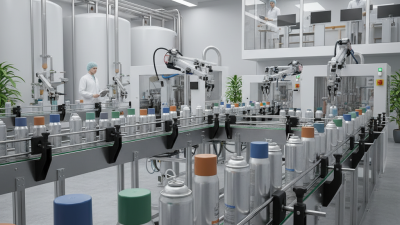
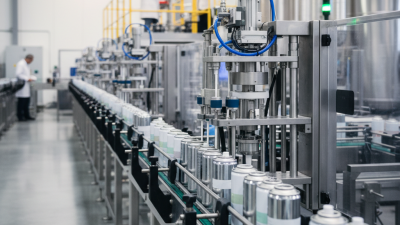
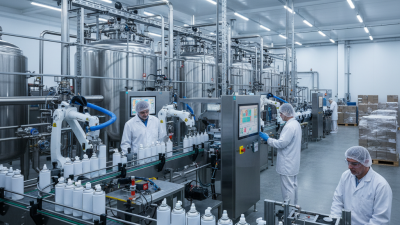
Aerosol filling technology is evolving rapidly. The process now demands precision and efficiency. Many companies are exploring automated solutions. These innovations enhance speed and consistency in production. Advanced machinery minimizes waste, a crucial factor in meeting sustainability goals.
Recent advancements use smart sensors and IoT for real-time monitoring. This increases safety and reduces errors during filling. However, reliance on technology also presents challenges. Maintaining equipment can be costly. Training staff to manage new systems is essential, yet it can be a hurdle.
Sustainability is a key focus in aerosol filling. Eco-friendly materials are gaining traction. Companies are experimenting with biodegradable propellants. However, the infrastructure for these materials is still developing. Adopting new practices may take time, but the industry is moving in the right direction.
Challenges Faced by Aerosol Filling Companies in China
Aerosol filling companies in China face significant challenges in a highly competitive market. These companies must navigate stringent regulations on safety and environmental impact. Compliance with local and international standards is not just necessary; it is a core component of operational integrity. Many firms struggle to stay updated with evolving policies, leading to potential fines and losses.
Furthermore, sourcing high-quality raw materials presents an ongoing challenge. As demand for sustainable products rises, suppliers often increase prices or limit availability. This unpredictability can disrupt production timelines. Companies frequently need to reassess their supply chains and look for alternative materials that meet both quality and sustainability standards.
Labor shortages also pose a critical issue. Skilled workers in the aerosol filling sector are increasingly hard to find. This shortage can delay production and affect quality. Companies are investing in training programs, but it takes time to build expertise. Balancing the pressures of innovation with these challenges is essential for growth and stability in the aerosol market.
The Economic Impact of Aerosol Fillers on China's Market
The aerosol fillers industry in China plays a vital role in its economy. This sector has transformed product packaging across various industries. With a growing demand for convenience, aerosol products are becoming increasingly popular. This trend affects consumer behavior and retail strategies.
The economic impact is significant. Thousands of jobs are linked to aerosol filling companies. These positions range from production workers to quality control specialists. Many regions depend on these jobs for economic stability. The companies contribute to local and national GDP. However, challenges exist, such as environmental regulations and competition. The need for sustainable practices is becoming urgent.
Innovation drives growth but also requires adaptation. Companies must invest in new technologies to stay competitive. This shift can be costly and time-consuming. Smaller firms may struggle to keep pace, risking their survival. The future of aerosol filling in China is promising yet uncertain. Stakeholders must balance profitability with responsibility.
Economic Impact of Aerosol Fillers on China's Market