The aerosol manufacturing industry is poised for significant evolution by 2026. Experts predict remarkable advancements in technology and sustainability within this sector. Dr. Emily Carter, a renowned aerosol manufacturers specialist, states, "Innovation is the key to meeting the demands of a shifting market." This insight captures the essence of how leading companies must adapt.
Aerosol manufacturers face challenges such as regulatory compliance and consumer preferences. Meeting these demands requires creativity and strategic planning. As environmental concerns grow, firms are transitioning to eco-friendly products. The need for sustainable solutions drives development in this field. Companies that embrace green technology are likely to lead the market.
In this landscape, recognizing the top aerosol manufacturers becomes essential. Industry leaders are not only shaping the market but also influencing global trends. Their strategies could redefine sustainability. Staying informed about these changes is crucial for stakeholders and consumers alike. As the industry evolves, collaboration will be vital for innovation and growth.

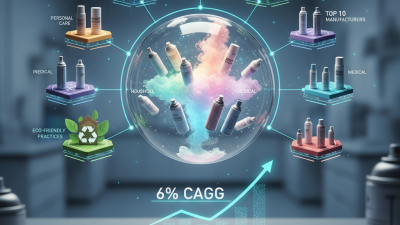
By 2026, the global aerosol market is expected to experience significant growth, driven by various sectors, including personal care, household products, and industrial applications. According to a recent market report, the industry is projected to reach USD 113 billion by 2026, reflecting a compound annual growth rate (CAGR) of 5.4%. This growth highlights a clear trend towards convenience and efficiency in product delivery systems.
Sustainability is becoming a focal point in the aerosol sector. Many manufacturers are investing in eco-friendly propellants and recyclable packaging. Data suggests that over 40% of consumers prefer products with environmentally conscious labels. However, this transition has its challenges. The cost of sustainable materials can be higher, impacting profit margins. Companies must navigate these complexities while staying competitive.
Innovation is essential in meeting evolving consumer demands. Advanced technologies, like smart aerosol dispensers, are gaining traction. These devices offer controlled dosage and user interaction. Nevertheless, the adoption of such technologies is uneven across regions. Emerging markets may lag due to infrastructure limitations. Balancing innovation with accessibility is a dilemma that companies must address.
The aerosol manufacturing industry is evolving rapidly, driven by several key factors. One significant area of innovation is sustainable practices. According to a recent report by the International Aerosol Association, about 70% of manufacturers are investing in eco-friendly technologies. This shift is crucial as consumers demand products with less environmental impact. Brands are exploring alternatives to propellants and packaging to reduce their carbon footprint.
Another driving force is the rise of personalized products. The market analysis reveals that 55% of aerosol consumers prefer tailored solutions. Manufacturers are now focusing on customization in scents, application methods, and sizes. This individual approach is gaining traction among younger demographics, promoting brand loyalty.
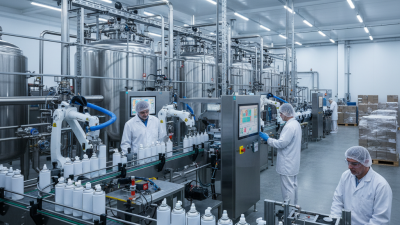
Regulatory changes are also impacting innovation in aerosol manufacturing. Compliance with safety and environmental regulations is becoming more stringent. Companies must adapt to these challenges by enhancing production processes. Adopting advanced technologies, such as automation and precision engineering, can streamline operations. Yet, many manufacturers struggle to balance innovation and compliance, indicating a need for further reflection in operational strategies.
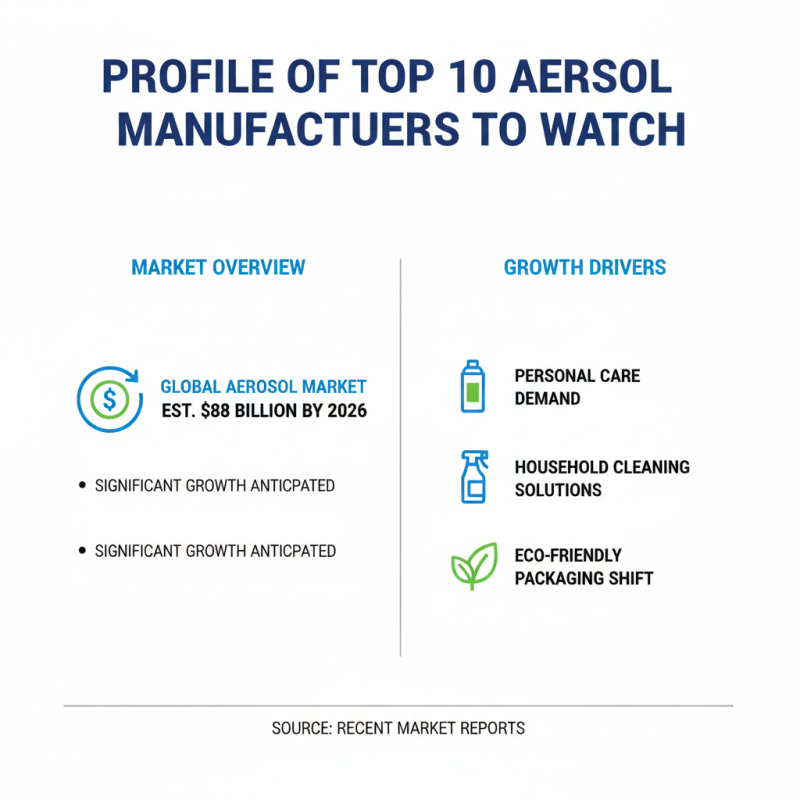
The aerosol industry is poised for significant growth in the coming years. According to recent market reports, the global aerosol market is expected to reach approximately $88 billion by 2026. Factors driving this growth include increased demand for personal care products and household cleaning solutions. The shift towards environmentally friendly packaging is also noteworthy.
Leading manufacturers are adapting to these trends. Many focus on sustainable practices, employing eco-friendly propellants that meet new regulatory standards. Data shows that brands incorporating sustainability into their operations have seen a 15% increase in consumer preference. Despite this positive trend, challenges remain. Supply chain disruptions and fluctuations in raw material costs can impact production timelines.
Innovation is vital in this competitive landscape. Companies are investing heavily in research and development. They aim to create new product formulations that cater to evolving consumer preferences. However, the need for constant adaptation can lead to inconsistencies in product availability. Balancing innovation with reliability is essential for staying relevant in this dynamic sector.
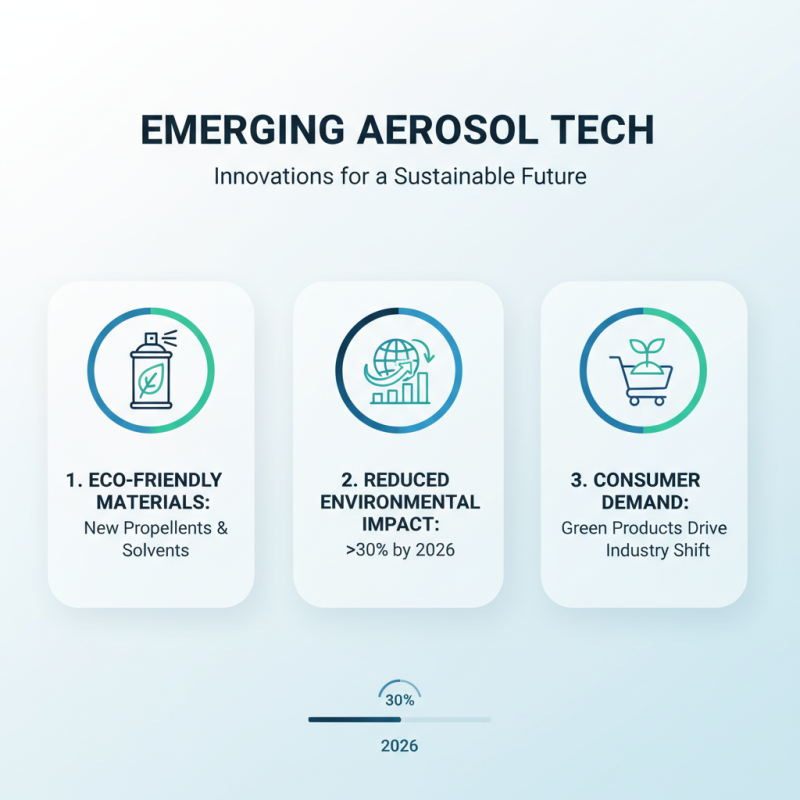
Emerging technologies are reshaping aerosol production and application. The industry is witnessing a shift towards eco-friendly materials. Recent reports indicate that sustainable aerosols could reduce environmental impact by over 30% by 2026. This shift aligns with increasing consumer demand for green products.
Innovations in aerosol delivery systems are also significant. Ultra-fine aerosol technology is gaining traction. These systems enhance delivery efficiency, ensuring better dispersion of active ingredients. Data suggest that such systems can increase product efficacy by 25%.
However, challenges remain. The manufacturing processes need to become more energy-efficient. There is a need to balance performance with sustainable practices. The integration of advanced technology will require investment and training. Companies must navigate these changes carefully to maintain competitiveness.
Aerosol manufacturers face several future challenges. Environmental regulations are tightening. These rules will require companies to innovate and adapt. Many manufacturers may struggle with this transition. The global aerosol market is expected to reach approximately $110 billion by 2026, according to industry reports. Sustainable practices are not just a trend; they are a necessity.
Market growth presents significant opportunities. Demand for eco-friendly products is rising. Companies that invest in greener technologies could gain a competitive advantage. However, this shift also poses risks. The cost of transitioning to sustainable practices might deter some smaller manufacturers. It’s crucial to balance innovation with cost-efficiency.
Tip: Investing in research and development can help manufacturers stay ahead. Collaborating with environmental organizations can provide insights into best practices. Listening to consumer feedback is vital for product improvement. Adapting to changes is not easy, but companies must be willing to learn from the environment around them.
| Cookie | Duration | Description |
|---|---|---|
| cookielawinfo-checkbox-analytics | 11 months | This cookie is set by GDPR Cookie Consent plugin. The cookie is used to store the user consent for the cookies in the category "Analytics". |
| cookielawinfo-checkbox-functional | 11 months | The cookie is set by GDPR cookie consent to record the user consent for the cookies in the category "Functional". |
| cookielawinfo-checkbox-necessary | 11 months | This cookie is set by GDPR Cookie Consent plugin. The cookies is used to store the user consent for the cookies in the category "Necessary". |
| cookielawinfo-checkbox-others | 11 months | This cookie is set by GDPR Cookie Consent plugin. The cookie is used to store the user consent for the cookies in the category "Other. |
| cookielawinfo-checkbox-performance | 11 months | This cookie is set by GDPR Cookie Consent plugin. The cookie is used to store the user consent for the cookies in the category "Performance". |
| viewed_cookie_policy | 11 months | The cookie is set by the GDPR Cookie Consent plugin and is used to store whether or not user has consented to the use of cookies. It does not store any personal data. |