Top 10 Tips for Finding Reliable Aluminum Can Suppliers?
Finding reliable aluminum can suppliers is crucial for businesses in the beverage and packaging industries. Poor sourcing can lead to delays and elevated costs. The demand for aluminum cans remains strong due to their recyclability and consumer preference. However, not all suppliers meet industry standards.
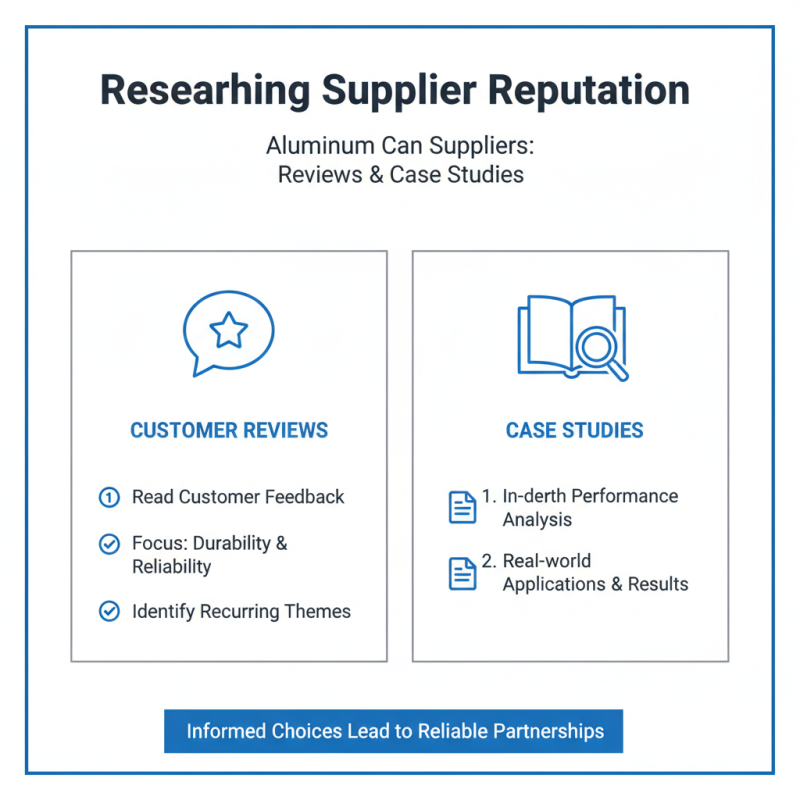
Identifying trustworthy partners takes time and effort. It's essential to research potential suppliers thoroughly. Look for companies with solid reputations and positive reviews. Check their production capabilities and delivery timelines. A supplier's transparency about their practices often indicates reliability. Visiting facilities, if possible, can provide valuable insights.
It's easy to overlook smaller suppliers, but they may offer competitive prices and personalized service. However, balancing cost with quality is vital. Remember, trusting the wrong supplier can impact your business negatively. Always weigh your options carefully.
Understanding the Importance of Quality in Aluminum Can Supply Chains
In the aluminum can supply chain, quality plays a crucial role. Poor-quality aluminum can lead to product spoilage and increased waste. According to a recent industry report, 30% of businesses have faced losses due to subpar materials. This highlights the need for reliability in finding suppliers. Quality assurance processes must be prioritized when selecting partners.
One critical tip for ensuring quality is to conduct thorough supplier audits. It’s essential to review their certifications and production practices. Ask for references and examine case studies. This proactive approach can help mitigate risks associated with inferior supplies. Another key point is to prioritize suppliers who use sustainable practices. A report from the Aluminum Association states that recycling aluminum cans saves up to 95% of energy needed to produce new ones.
Remember, communication is vital. Establishing clear expectations with suppliers sets a foundation for accountability. Engage regularly to discuss quality metrics and improvements. Some suppliers may falter or hesitate to provide transparency. These red flags should prompt further investigation. Ensuring quality in your aluminum can supply chain requires diligence, but the benefits far outweigh the challenges.
Evaluating Supplier Certifications and Industry Standards for Reliability
When looking for reliable aluminum can suppliers, evaluating their certifications and adherence to industry standards is crucial. Certifications can indicate a supplier’s commitment to quality and safety. Look for widely recognized certifications such as ISO 9001. This certification ensures that the supplier has a quality management system in place. It speaks volumes about their processes and product reliability.
Additionally, consider industry standards like ASTM specifications. These standards provide guidelines regarding materials and manufacturing practices. Suppliers adhering to these standards tend to produce more consistent products. Regular audits and assessments are signs that a supplier values compliance. They show that the supplier is committed to maintaining high operational standards.
Observation is key; check for documentation that supports these certifications. Suppliers should be willing to provide this information. Still, it can be challenging to navigate this landscape. Not all suppliers will have the necessary certifications readily available. This can lead to frustrations and missed opportunities. Always seek clarity on any discrepancies and ask for third-party verification when possible.
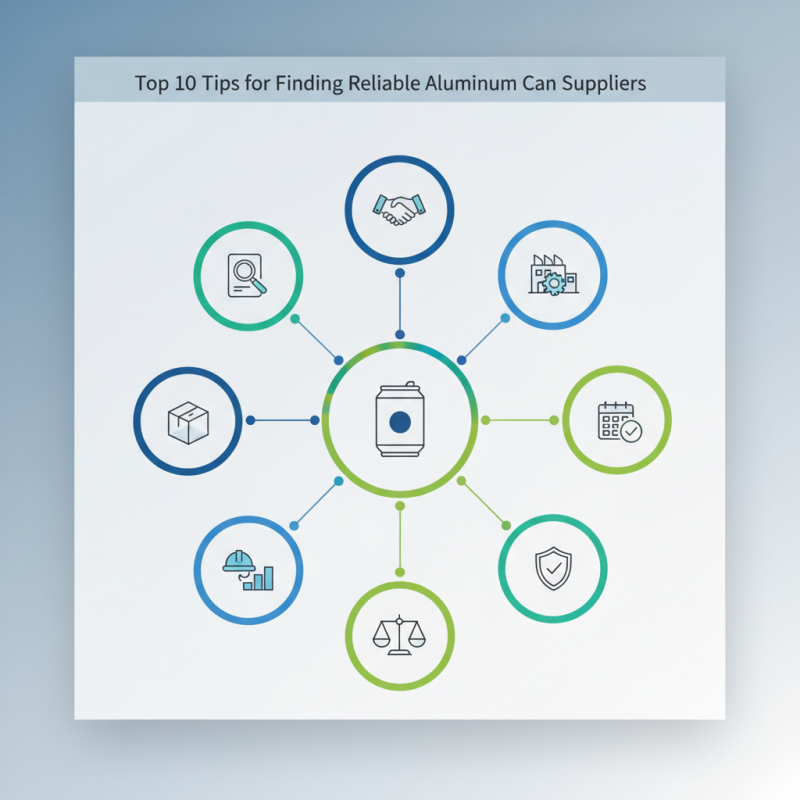
Top 10 Tips for Finding Reliable Aluminum Can Suppliers
Analyzing Pricing Structures and Market Trends in Aluminum Can Supply
When analyzing pricing structures in the aluminum can supply market, it’s essential to consider various factors. Recent data from industry reports indicate that global aluminum prices fluctuate significantly, influenced by production costs, demand, and geopolitical events. In 2022, the average aluminum price reached around $3,000 per metric ton, impacting supplier pricing strategies.
Understanding market trends helps in negotiating better deals. Look for suppliers who are transparent about their pricing structures. This clarity can highlight underlying costs, ensuring you know what you’re paying for. Remember, a cheap price may mask hidden fees. Always request detailed quotes from several suppliers to compare.
Monitoring trends is crucial. Industry reports predict a steady growth in aluminum can demand due to increasing sustainability initiatives. The market is projected to grow by 4.5% annually through 2025. This means potential suppliers should be viable long-term partners. Establishing robust relationships with suppliers can lead to more favorable pricing and reliable service, which is a key factor in succeeding in this competitive landscape. Keep an eye on evolving trends to maintain your supply chain’s efficiency.
Assessing Capacity and Lead Times of Potential Aluminum Can Suppliers
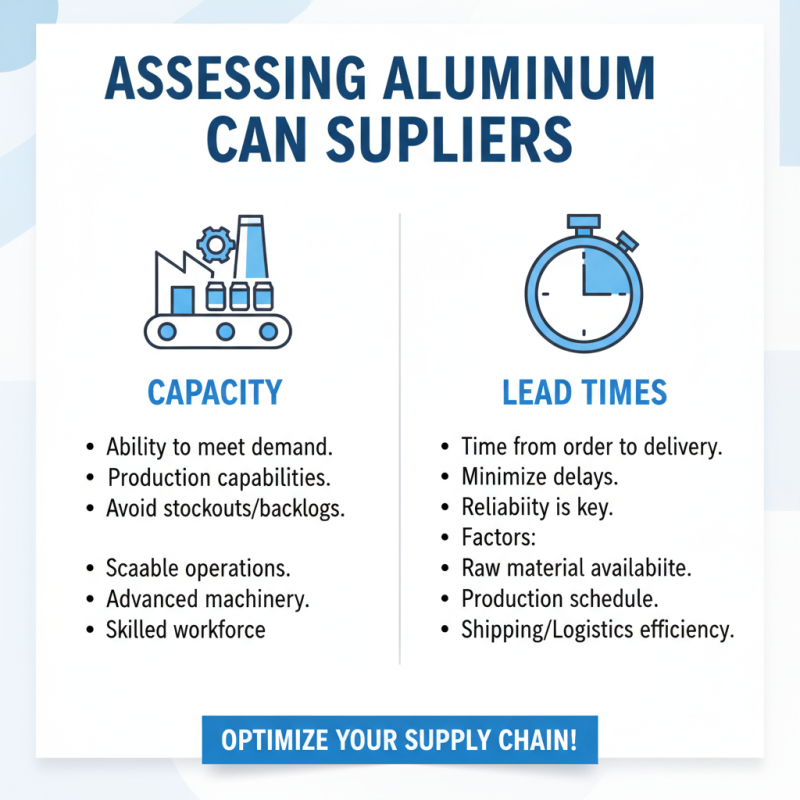
When evaluating potential aluminum can suppliers, it's crucial to assess their capacity and lead times. Capacity refers to the supplier's ability to meet your demand. Understanding their production capabilities can help you avoid stockouts or backlog issues. Look for signs of scalable operations, like advanced machinery or a skilled workforce.
Lead times are equally important. They indicate how long it takes from order to delivery. Some suppliers may promise fast shipping but falter when it matters most. Always inquire about their average lead times under various conditions. A reliable supplier should provide transparent estimates based on historical data, not just ideal scenarios.
One common pitfall is assuming that a larger supplier is always better. While they may have more resources, it doesn't guarantee flexibility. Smaller suppliers can sometimes offer shorter lead times due to less bureaucracy. However, inspect their reliability as well. Unsatisfactory experiences may lead you to rethink your choices or diversify your supplier base.