What is the Role of Aerosol Filling Companies in Packaging Industry?
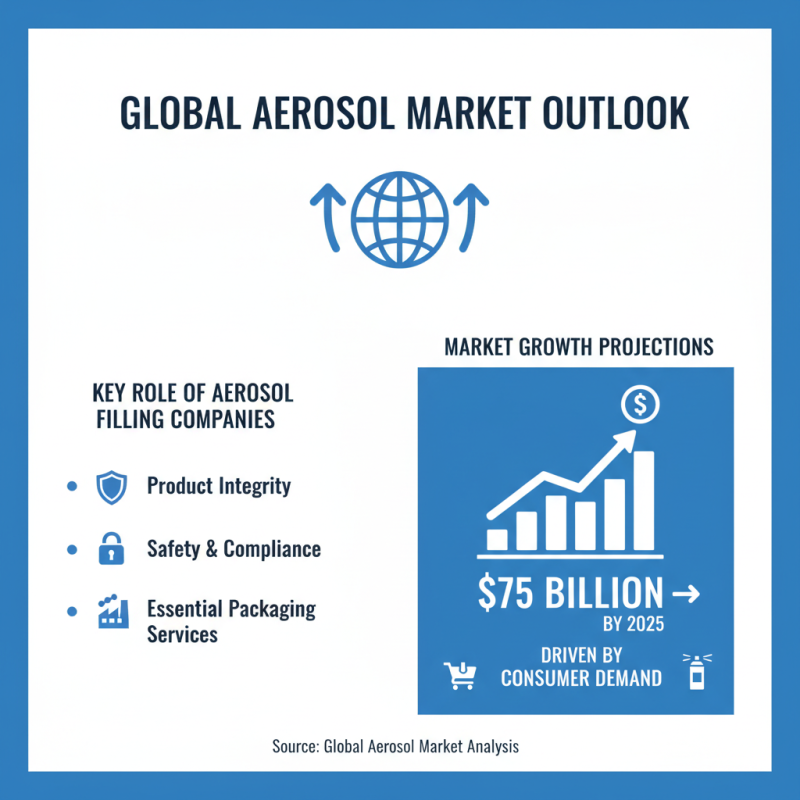
Aerosol filling companies play a crucial role in the global packaging industry. They contribute significantly to the production and distribution of aerosol products, which are widely used in various sectors. According to recent industry reports, the aerosol market is projected to reach over $75 billion by 2028. This growth reflects increasing consumer demand for convenience and efficiency.
These companies specialize in manufacturing and filling aerosol containers for personal care, household, and industrial products. In fact, over 70% of aerosol products are linked to personal care items. However, the industry faces challenges, including environmental concerns and regulatory pressures. Many aerosol filling companies are now adopting greener practices and technologies to reduce their environmental impact.
It's essential to recognize that not all aerosol filling companies have embraced sustainability equally. Some companies struggle to comply with evolving regulations, which can hinder progress. This creates a gap in the industry's overall environmental performance. By addressing these challenges, aerosol filling companies can enhance their contributions to the packaging sector and better align with consumer expectations.

The Importance of Aerosol Filling Companies in Packaging
Aerosol filling companies play a crucial role in the packaging industry, providing essential services that ensure product integrity and safety. According to the "Global Aerosol Market Analysis," the market is expected to reach $75 billion by 2025. This growth reflects the increasing demand for convenient, consumer-friendly packaging solutions across various sectors.
Efficient aerosol filling is vital for maintaining the quality of products. Inaccurate filling can lead to product waste and safety issues. For example, 20% of aerosol products may have inconsistent fill levels, causing potential user dissatisfaction. Companies must continually refine their processes to address these challenges. The focus should be on both precision and speed, ensuring that production meets market demand without compromising safety standards.
Moreover, sustainability is becoming a central theme in packaging. The industry sees increasing scrutiny over environmental impacts. A report by the "International Aerosol Association" indicated that over 50% of consumers prefer eco-friendly packaging. This has prompted aerosol filling companies to implement greener practices. Yet, there are still hurdles to overcome, such as the high cost of sustainable materials. Balancing efficiency, sustainability, and safety remains a complex issue for many in the industry.
Overview of Aerosol Filling Processes and Technologies
Aerosol filling companies play a crucial role in the packaging industry, especially for products like sprays and foams. The filling process involves several technologies, including pneumatic, vacuum, and pressure filling. Each method has unique advantages and disadvantages. For instance, pneumatic filling is efficient but can lead to overfilling or waste. Understanding these subtleties is key for manufacturers.
Data from industry reports shows that the global aerosol packaging market is expected to reach $139 billion by 2025. This growth drives innovation in filling processes. Advanced technologies like robotics enhance precision in filling, but they can also introduce new challenges. Over-reliance on automation may reduce the workforce's expertise over time.
Tips: Always perform regular audits of the filling systems. This ensures quality control and identifies potential inefficiencies. Training staff to understand machinery can help mitigate risks.
Moreover, companies should pay close attention to environmental regulations. The shift towards eco-friendly aerosols is essential. Adapting filling techniques to accommodate biodegradable materials requires careful planning. Balancing cost and sustainability is a persistent challenge in the industry.
Key Industries Benefiting from Aerosol Packaging
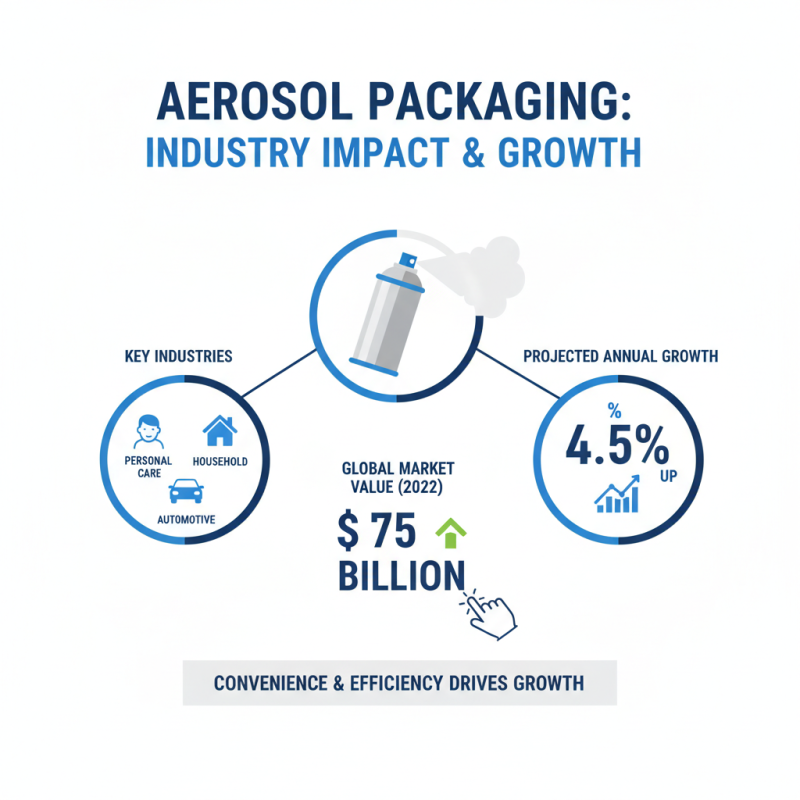
Aerosol packaging plays a pivotal role across various industries. Sectors like personal care, household products, and automotive all benefit significantly from this packaging type. For instance, the global aerosol packaging market was valued at approximately $75 billion in 2022, with a projected growth of 4.5% annually. This growth is largely due to the convenience aerosols offer in dispensing products efficiently.
The personal care industry is among the top beneficiaries. From hairsprays to deodorants, aerosols provide easy application. Households also rely on them for cleaning products and air fresheners. According to a recent report, the household sector accounted for about 30% of the aerosol market share in 2022. This illustrates the high demand for versatile and user-friendly packaging.
Tip: When considering aerosol packaging, ensure compliance with safety standards. Check for potential environmental impacts as well. It is crucial to find a balance between convenience and sustainability.
The automotive sector is also embracing aerosol products. Paints and lubricants in aerosol form help streamline application processes. However, challenges remain. Despite the convenience, some consumers express concerns over propellant safety and disposal methods. Addressing these issues is vital for the industry’s progress.
Tip: Engage with consumers to understand their preferences. Continuous feedback can enhance product offerings and address concerns.
Environmental Considerations in Aerosol Filling Operations
Aerosol filling operations have a significant impact on the environment. According to industry data, around 30% of aerosol emissions contribute to air pollution. This alarming statistic highlights the need for more sustainable practices. Many aerosol filling companies are now adapting their processes to minimize this impact.
Switching to eco-friendly propellants can reduce volatile organic compound (VOC) emissions. Many companies have started using compressed air instead of traditional propellants. This simple change drastically cuts down harmful emissions. However, challenges still exist. Not all products can use these alternative propellants without affecting performance.
Water-based aerosol products represent another step forward. Reports suggest a growing market share for these products, expected to hit 20% by 2025. Yet, sourcing sustainable materials remains a concern. The production of some eco-friendly materials can carry hidden environmental costs. Overall, while the movement towards greener aerosols is promising, the industry must reflect on its broader effects. Finding a balance is crucial.
What is the Role of Aerosol Filling Companies in Packaging Industry? - Environmental Considerations in Aerosol Filling Operations
| Aspect |
Description |
Environmental Impact |
Mitigation Strategies |
| Material Sourcing |
Use of sustainable materials for cans and propellant |
Reduction in resource depletion and pollution |
Utilize recycled or biodegradable materials |
| Production Processes |
Aerosol filling and assembly operations |
Energy consumption and emissions generated |
Implement energy-efficient machinery |
| Waste Management |
Handling of leftover materials and defective products |
Potential landfill impact and air quality concerns |
Establish recycling and waste reduction programs |
| Regulatory Compliance |
Adherence to local and global environmental standards |
Risk of penalties and environmental harm |
Regular audits and staff training on regulations |
| Consumer Awareness |
Educating consumers on proper disposal and usage |
Impact of improper disposal on the environment |
Provide clear labeling and disposal instructions |
Future Trends and Innovations in Aerosol Packaging Solutions
The packaging industry is evolving rapidly, and aerosol filling companies play a pivotal role in this transformation. With increasing demands for eco-friendly solutions, these companies are adopting innovative practices. One emerging trend is the development of biodegradable aerosol cans made from sustainable materials. Such advancements offer a way to reduce environmental impact significantly.
Another exciting innovation is smart aerosol packaging. This technology enables better tracking of products through the supply chain. It helps ensure quality and boosts consumer confidence. The use of QR codes and sensors is becoming more common. These features allow users to access information about the product, enhancing engagement.
However, challenges remain. The transition to greener materials can be costly and time-consuming. Companies must balance innovation with production efficiency. Not all manufacturers are equipped to adapt quickly. This gap can lead to inconsistencies in quality and availability. The future of aerosol packaging is promising, but it requires careful navigation of these complexities.
Future Trends in Aerosol Packaging Solutions