What is PET Release Film and Why is it Important for You?
PET Release Film plays a crucial role in various industries, particularly in packaging and adhesive applications. Dr. Emily Chen, a prominent expert in polymer technology, states, "The right release film can significantly enhance product performance." This highlights the importance of selecting the appropriate PET Release Film for specific applications.
Understanding PET Release Film requires insight into its properties. Made from polyethylene terephthalate, it provides a smooth surface that simplifies the peeling process. Its role in manufacturing adhesives and labels cannot be understated. Many businesses face challenges due to subpar release films. These films can affect adhesion quality and overall product efficiency.
Choosing the right PET Release Film involves more than just material selection. It also requires a thorough understanding of the end application. Some films may perform well in one context but falter in another. This complexity demands careful consideration and expertise, making the right choices essential. An optimal PET Release Film not only improves product functionality but also reduces waste and costs.
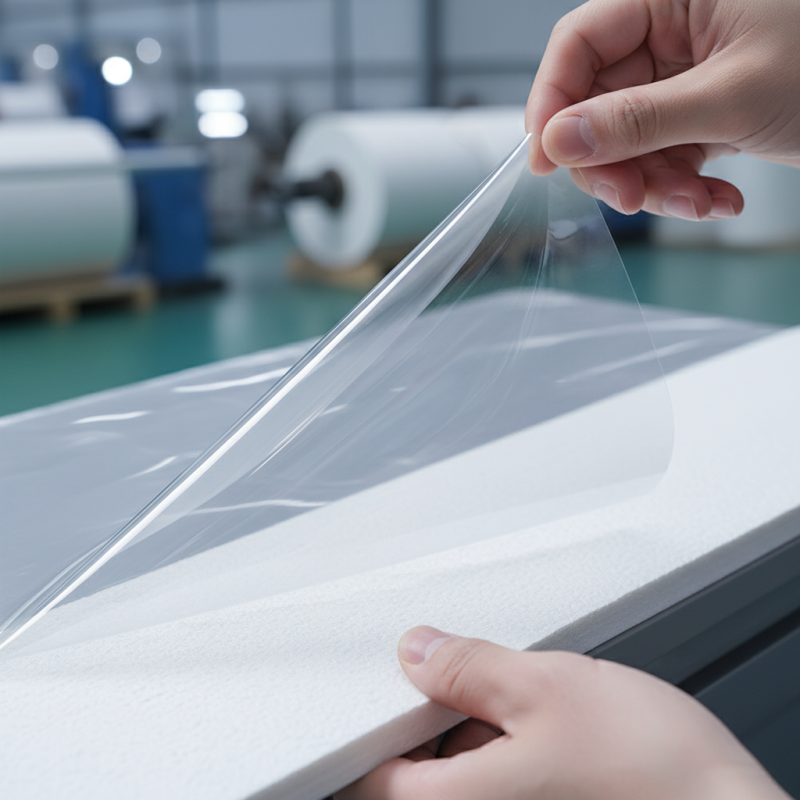
What is PET Release Film and Its Composition in the Industry
PET release film, a crucial material in many industries, plays a significant role in various applications. Its composition primarily includes polyethylene terephthalate, which is famed for its durability and excellent release properties. According to a market analysis by Freedonia Group, the demand for PET films is projected to grow by 4.2% annually through 2025. This ascent underscores the growing importance of sustainable and efficient materials in manufacturing processes.
The characteristics of PET release films contribute to their wide adoption. They provide excellent chemical resistance and thermal stability. These features make them ideal for food packaging, electronics, and automotive applications. In fact, a report by Research and Markets indicates that the global PET film market is expected to reach $30 billion by 2024. Despite these promising figures, manufacturers face challenges, including recycling and environmental impact.
Developing a circular economy for PET materials remains a task that requires industry-wide collaboration. Innovations are necessary to improve the recyclability of PET release films. However, achieving this balance can be complex. There is a need to address the potential downsides of production processes. This reflection on sustainability can ultimately drive meaningful change in how we view and utilize PET products.
The Role of PET Release Film in Adhesive Applications and Performance Standards
PET release film is crucial in adhesive applications. It serves as a barrier between adhesives and substrates. This prevents premature bonding and ensures precise application. Many adhesive products rely on this material to maintain their integrity until the point of use.
In testing, one may find inconsistencies in performance standards across various formulations. Temperature fluctuations can affect adhesion, leading to unexpected results. Not every PET release film performs uniformly. Attention to detail in selecting the correct film type is essential. The choice impacts the overall effectiveness of the adhesive process.
Understanding the specific requirements for your application can significantly improve outcomes. Experimentation may be necessary to achieve the desired results. It's important to scrutinize the properties of the release film. Factors such as surface energy and texture play a significant role in performance. Monitoring these aspects will help refine your approach and enhance adhesive applications.
Market Trends: The Growing Demand for PET Release Film in Manufacturing
The demand for PET release film in manufacturing is on the rise. According to a recent industry report, the global PET film market is projected to grow at a CAGR of 6.5% from 2023 to 2031. This surge is likely driven by increased applications in various sectors, including electronics, packaging, and automotive industries. Manufacturers are increasingly recognizing the advantages of PET film, including its durability and ease of use.
In the packaging sector, PET release film is crucial. It provides a reliable surface for adhesive applications, ensuring products adhere correctly. Moreover, it enhances the overall sustainability profile of packaging solutions. As eco-friendly practices gain momentum, PET's recyclability stands out.
Tip: When selecting a PET release film, it's essential to consider the thickness and adhesion properties. Not all films perform the same across different applications. Take the time to test for compatibility.
The automotive industry also contributes significantly to the demand for PET release films. These films help in manufacturing parts that require high precision. However, some manufacturers find that not all films meet their specific needs. This can lead to inefficiencies and increased costs in production. Always assess the suitability of the film for your manufacturing processes.
Key Benefits of Using PET Release Film in Packaging Solutions
PET release film is gaining traction in various packaging applications. This specialized film features a silicone coating that ensures easy peeling. It's crucial for businesses aiming for efficient packaging solutions. The film minimizes adhesion, making it ideal for products like labels and adhesive tapes.
One key benefit of PET release film is its durability. It withstands material stress during production and transportation. Companies can save on costs due to its ability to reduce waste. Additionally, the film is lightweight, which contributes to lower shipping expenses. Using PET release film can enhance the sustainability of packaging projects.
Moreover, PET release film provides excellent clarity. This optical quality enhances product aesthetics, making it more appealing to consumers. However, not all applications may require such high clarity. It's essential to assess whether the benefits align with the specific packaging needs. Engaging with experts in the field can help determine the best usage scenarios.
Environmental Impact and Recyclability of PET Release Film in Modern Practices
The environmental impact of PET release film has become a significant concern in modern practices. This material is widely used in various industries due to its durability and versatility. However, the sheer volume of PET film produced raises questions about its end-of-life scenario. Many consumers remain unaware that PET can take hundreds of years to decompose. This long lifespan poses challenges for our landfills and oceans.
Recyclability is another critical factor. While PET is technically recyclable, real-world practices often lag behind. In many recycling programs, PET release films are not accepted. This gap suggests a need for improvement in recycling facilities. Consumer behavior also plays a role; people sometimes do not know how to dispose of these materials properly. It's essential to educate the public on the nuances of recycling PET films effectively.
Additionally, some production processes for PET can release harmful emissions. Innovations in technology, however, can lead to more sustainable practices. Manufacturers can adopt cleaner methods to reduce their carbon footprint. While progress is being made, much work remains. Addressing these environmental challenges requires collaboration between manufacturers, recyclers, and consumers. Investing in more efficient recycling methods could enhance the overall sustainability of PET release films.
The Importance of PET Release Film in Modern Practices
This chart illustrates the importance of various factors associated with PET release film, rated on a scale from 1 to 10. Key aspects include recyclability, environmental impact, usage in packaging, cost-effectiveness, and durability, emphasizing their significance in modern practices.