What is Nail Intramedullari and How Does It Work?
nail intramedullari is an innovative fixation method used in orthopedic surgeries. This technique has gained traction among surgeons due to its effectiveness in stabilizing fractures. Reports indicate that worldwide, the use of intramedullary nails has increased by over 30% in the past decade. This surge highlights a growing trend toward minimally invasive procedures.
The mechanics of Nail Intramedullari involve inserting a rod into the medullary canal of a bone. Surgeons appreciate its versatility for both long and short bones. Patients often experience quicker recovery times and reduced pain post-surgery. However, complications can arise, such as infection or improper alignment. These issues remind us that, while this method is effective, vigilance is essential.
Statistics show that nearly 15% of patients encounter problems with intramedullary nails. It underscores the importance of careful evaluation and technique refinement among orthopedic professionals. Emphasizing these challenges will help improve outcomes and refine best practices in the field.
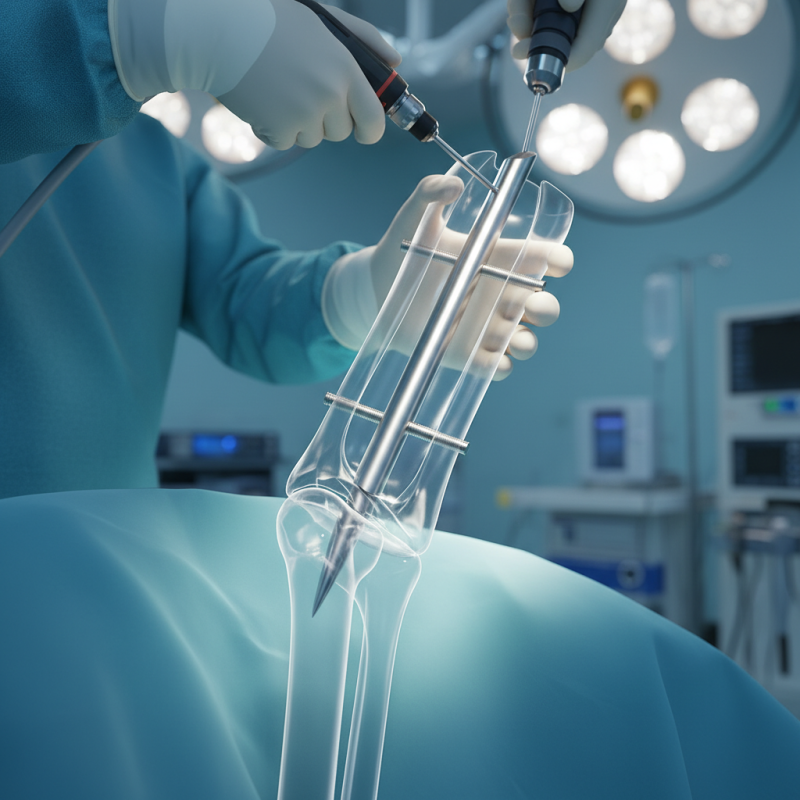
What is Intramedullary Nailing?
Intramedullary nailing is a surgical technique used to stabilize fractures, particularly in long bones. This method involves inserting a metal rod into the marrow canal of the bone. It provides strong support without needing extensive external fixation. Surgeons often choose this approach for femur, tibia, or humerus fractures. The goal is clear: promote healing while allowing better mobility.
The procedure begins with a small incision at the fracture site. A guidewire is placed to help position the nail accurately. Surgeons may use fluoroscopy to ensure correct placement. The nail is then inserted and secured with screws. This technique is generally effective but has challenges. Complications can arise, such as infection or improper alignment. Some patients experience discomfort during recovery.
Patients should be prepared for a rehabilitation period that may last weeks. It’s crucial to follow post-operative instructions closely. Physical therapy often plays a significant role in recovery. Overall, understanding intramedullary nailing helps patients make informed choices about their treatment options.
History and Development of Intramedullary Nailing
The concept of intramedullary nailing has evolved significantly over the years. Initially introduced in the early 20th century, intramedullary nails were designed to stabilize long bone fractures. Early devices were often crude and invasive, leading to complications. Surgeons faced challenges with alignment and stability during healing.
As surgical techniques advanced, so did the design of intramedullary nails. By the 1980s, locking mechanisms were introduced. These innovations improved stability and reduced complications. Surgeons could insert nails with less trauma to surrounding tissues. However, learning curves remained steep, and some surgeons struggled with the technique.
Today, intramedullary nailing is a standard practice in orthopedic surgery. It provides an efficient solution for fracture fixation. Despite its popularity, some debates continue about the ideal nail size and insertion technique. Ongoing research aims to refine these methods, addressing the imperfections from past practices. The journey of intramedullary nailing shows how crucial adaptation and improvement are in medical procedures.
Mechanism of Action in Bone Fracture Stabilization
Nail intramedullari is a common technique in orthopedic surgery. It involves using a metal rod to stabilize fractures. The rod is inserted into the medullary canal of long bones. This provides strong internal support. It also allows for better alignment of bone fragments. Research shows that this method has a high success rate. Around 90% of patients regain full mobility post-surgery.
The mechanism of action focuses on the stability it offers. The nail acts like an internal splint, allowing weight-bearing. During the healing process, the bone is often less stressed. This reduction in motion promotes quicker recovery. Studies indicate that patients experience less pain and have shorter hospital stays. However, some reexamination is needed in cases of complex fractures. Certain scenarios may lead to complications, such as malunion or infection.
Surgeons must be aware of these risks. Not all fractures heal uniformly. A report by the Journal of Orthopedic Trauma noted that around 15% of nail fixations may encounter issues. Proper pre-operative planning is crucial. The choice of nail design and insertion technique can significantly affect outcomes. Thus, continuous learning and adjustment are essential in improving patient care.
What is Nail Intramedullari and How Does It Work? - Mechanism of Action in Bone Fracture Stabilization
| Dimension | Description |
| Purpose | Stabilization of long bone fractures |
| Indications | Diaphyseal fractures, non-unions, osteotomies |
| Insertion Method | Percutaneous or open approach |
| Material | Titanium or stainless steel |
| Mechanism of Action | Provides internal fixation and stability |
| Advantages | Minimally invasive, allows early mobilization |
| Complications | Infections, malunion, delayed healing |
| Recovery Time | 6 to 12 weeks depending on fracture type |
Indications and Benefits of Intramedullary Nailing
Intramedullary nailing is widely used in orthopedic surgery. It provides several advantages for treating fractures, especially in long bones. Studies show that intramedullary nails result in a more stable fixation compared to traditional methods. This stability enhances the healing process. It also often leads to shorter recovery times, allowing patients to return to daily activities more quickly.
Indications for intramedullary nailing include femoral and tibial fractures. A study published in the Journal of Orthopaedic Trauma indicated that nearly 85% of femoral shaft fractures are treated using this technique. This method also helps to prevent malalignment. Proper alignment is crucial for restoring function. While intramedullary nailing is effective, complications can arise. Infection or failure of the nail may occur, requiring further intervention.
The benefits of intramedullary nailing extend beyond stability. Patients often experience less postoperative pain and shorter hospitalization. Research indicates that patients using this method have a 20% faster recovery compared to those undergoing plate fixation. However, every surgical option has its risks. Surgeons must weigh the potential advantages against the complications. Continued research is necessary to improve techniques and outcomes in intramedullary nailing.
Post-operative Care and Recovery Process
Post-operative care after intramedullary nailing is crucial for optimal recovery. Studies show that proper rehabilitation can significantly reduce complications. Patients should begin with gentle range-of-motion exercises. Gradually, they progress to weight-bearing activities as advised by their healthcare providers. It's essential to follow an individualized plan tailored to specific needs.
Pain management is also a vital aspect of post-operative care. Many patients report varying levels of discomfort. Managing this effectively can lead to better recovery outcomes. According to a recent report from the Journal of Bone and Joint Surgery, appropriate pain assessment can improve mobility and reduce complications. Encouraging consistent communication with healthcare providers is key.
In addition, maintaining a healthy diet aids recovery. Nutrition plays a role in bone healing. A diet rich in vitamins and minerals fosters recovery. Vitamin D and calcium are particularly important. However, not all patients focus on this aspect. Some struggle to balance dietary changes with normal routines. Encouraging patients to understand their nutritional needs can lead to improved recovery experiences.