What is the Impact of Using Water in Aluminum Bottles on Health and Environment
The increasing global concern over plastic waste and its detrimental impact on the environment has prompted a shift towards more sustainable alternatives, including the use of water in aluminum bottles. Recent studies indicate that nearly 1 million plastic bottles are purchased every minute worldwide, contributing significantly to ocean pollution and environmental degradation (Statista, 2021). In contrast, aluminum bottles are not only recyclable but also have a lower carbon footprint compared to plastic counterparts. According to the Aluminum Association, recycling aluminum saves 90% of the energy required to produce new aluminum, highlighting the material's eco-friendliness in terms of resource conservation.
Moreover, the health implications of using water in aluminum bottles warrant attention. Research published by the Journal of Environmental Health has shown that aluminum, when leached into drinking water, can pose potential health risks, including neurological effects linked to excessive aluminum exposure. However, with the right manufacturing processes and protective liners inside aluminum containers, these risks can be mitigated (Brennan et al., 2019). Therefore, understanding the impact of using water in aluminum bottles not only encompasses environmental sustainability but also extends to public health considerations, emphasizing a holistic approach to evaluating this alternative. As consumers increasingly prioritize both health and progress towards a circular economy, the exploration of water in aluminum bottles presents an essential area of focus for researchers, manufacturers, and policymakers alike.
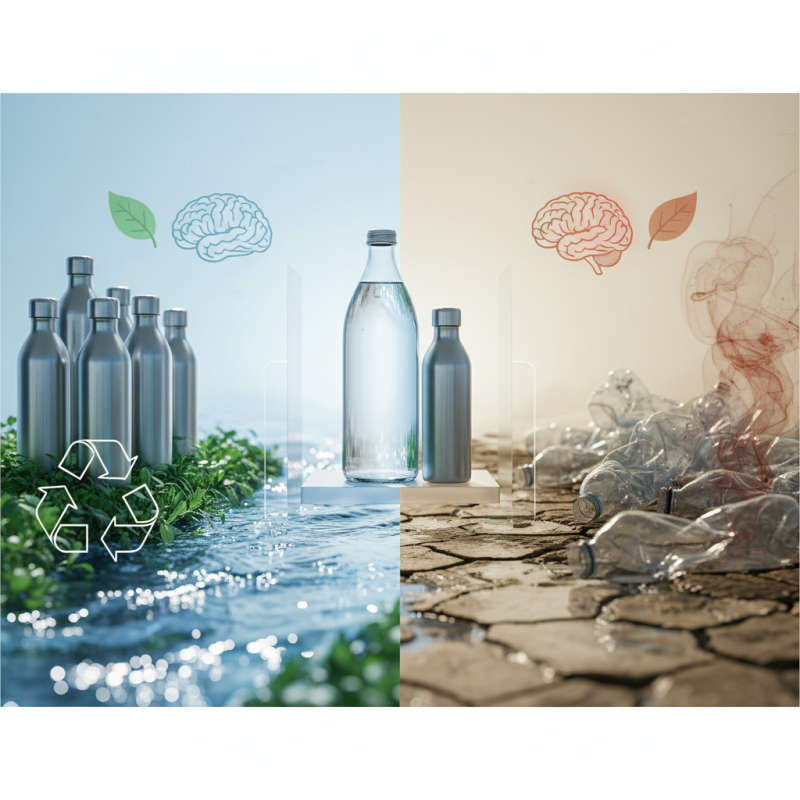
Impact of Water Usage in Aluminum Bottles on Human Health
The use of aluminum bottles for water consumption is becoming increasingly popular, and this trend has significant implications for human health. One of the primary concerns is related to the potential for aluminum leaching into the water. While most aluminum bottles are lined with a protective layer to prevent this, deficiencies in this barrier can lead to exposure to aluminum, which has been associated with various health issues. Some studies suggest a correlation between aluminum exposure and neurological conditions, including Alzheimer’s disease. Ensuring that aluminum bottles are manufactured with safe, non-toxic lining materials is vital to mitigate these risks.
Another aspect to consider is the environmental impact of using aluminum bottles. While aluminum is recyclable, the production process is energy-intensive and can contribute to greenhouse gas emissions. If aluminum bottles are treated as disposable rather than reusable, their environmental footprint increases significantly. Promoting the use of aluminum bottles as a sustainable option depends heavily on consumer behavior—choosing to refill and recycle these bottles can lead to positive environmental outcomes. Educating consumers on responsible usage and recycling practices is essential to maximizing the benefits of aluminum bottles while minimizing their health and environmental impacts.
Potential Chemical Leachates from Aluminum Bottles
The usage of aluminum bottles for water storage has gained popularity due to their lightweight design and reusable nature. However, one significant concern that arises from this trend is the potential for chemical leachates—substances that may leach from the materials of the bottle into the water. Research indicates that aluminum can react with certain substances, particularly acidic or salty liquids, potentially leading to the release of aluminum ions into the water. According to a review published in the journal Environmental Health Perspectives, elevated aluminum levels have been associated with various health concerns, including neurotoxicity and potential links to Alzheimer's disease.
Moreover, studies have highlighted the role of coatings applied inside aluminum bottles to mitigate direct contact between the liquid and the metal. A report from the Aluminum Association notes that while these coatings can be effective in reducing leaching, they may themselves contain substances that could migrate into the liquid over time. Chemicals such as bisphenol A (BPA) and phthalates have been identified as potential contaminants that could leach from such protective linings, raising environmental concerns as these substances can disrupt endocrine systems and persist in ecosystems.
Overall, careful consideration is necessary when using aluminum bottles; the balance between convenience, health safety, and environmental protection remains a key focus for ongoing research in this domain. Important industry guidelines stress the evaluation of both the aluminum material and its coatings, aiming to minimize risks associated with leachates to safeguard consumer health and the environment.
Environmental Benefits of Using Aluminum Bottles over Single-Use Plastics
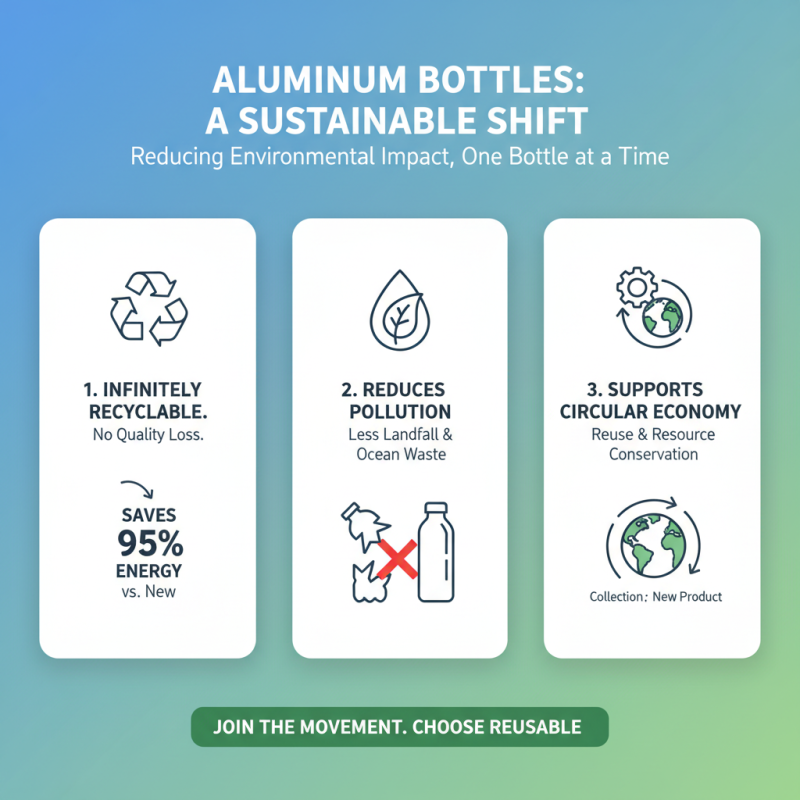
The shift from single-use plastics to aluminum bottles represents a crucial evolution in decreasing environmental impact. Aluminum, being highly recyclable, offers a sustainable alternative that significantly reduces the amount of waste that ends up in landfills and oceans. Unlike plastic, which can take hundreds of years to decompose, aluminum can be recycled indefinitely without losing quality. This process not only conserves natural resources but also consumes less energy compared to the production of new aluminum, thereby lessening the overall carbon footprint. Adopting aluminum bottles actively contributes to the circular economy, where materials are reused rather than disposed of.
Moreover, using aluminum bottles over single-use plastics carries health benefits as well. Many single-use plastic bottles are made with chemicals that can leach into the liquid they contain, particularly under heat. In contrast, aluminum bottles, especially those lined with a protective inner coating, provide a safe way to store beverages without the risk of harmful substances. This factor underlines the dual advantage of aluminum in promoting both environmental health and consumer safety. By choosing aluminum, consumers not only make a responsible environmental choice but also prioritize their well-being.
Recycling and Sustainability of Aluminum Bottles in the Ecosystem
Aluminum bottles are increasingly recognized for their potential in promoting sustainability within ecosystems. With over 75% of aluminum ever produced still in circulation, the metal offers a promising avenue for reducing waste. According to the Aluminum Association, recycling aluminum saves up to 95% of the energy required to produce new aluminum from ore, significantly reducing greenhouse gas emissions. Furthermore, aluminum bottles are 100% recyclable, and this process can be repeated endlessly without loss of quality. This recycling efficiency contributes to lower resource extraction and helps conserve natural materials, making aluminum a sustainable choice for consumers.
Incorporating aluminum bottles into daily life not only benefits the environment but also encourages a circular economy. The International Aluminum Institute reports that the recycling of aluminum cans reduces energy usage by approximately 266,000 megawatt-hours yearly, enough to power over 250,000 homes. By choosing aluminum bottles, consumers can consciously support a system that minimizes landfill waste and decreases pollution.
Tips: To maximize the sustainability of your aluminum bottle use, always recycle correctly. Ensure the bottle is clean before placing it in recycling bins to increase its chances of being effectively repurposed. Additionally, opt for products made from post-consumer recycled aluminum, as this further supports resource conservation and reduces the demand for virgin materials.
Comparison of Aluminum Bottles with Other Beverage Containers
When comparing aluminum bottles to other beverage containers, several aspects come into play, including health, environmental impact, and usability. Aluminum bottles are known for their lightweight and durability, which often make them a preferred choice for consumers looking for alternatives to single-use plastics and glass containers. A report from the Aluminum Association indicates that aluminum is infinitely recyclable, and recycling aluminum saves up to 95% of the energy required to produce new cans from raw materials. This makes aluminum bottles not only a practical option but also a more sustainable choice compared to plastic bottles that often end up in landfills and oceans, taking hundreds of years to decompose.
In terms of health, aluminum bottles are generally considered safe, especially when they are lined to prevent leaching of aluminum into the beverage. A study by the International Aluminum Institute highlights that the levels of aluminum that might migrate into liquid products are minimal and within safe consumption limits defined by health authorities. In contrast, some plastic bottles may contain harmful chemicals like BPA and phthalates, which can disrupt hormone systems and present other health risks. Therefore, choosing aluminum bottles can mitigate these health concerns while also offering a more eco-friendly option.
Tips: Always check if the aluminum bottle features a food-safe lining to ensure the beverage remains uncontaminated. When selecting any bottle type, remember to consider the recycling facilities available in your area to maximize environmental benefits. Lastly, opt for bulk beverage purchases to reduce packaging waste and minimize your environmental footprint.
What is the Impact of Using Water in Aluminum Bottles on Health and Environment - Comparison of Aluminum Bottles with Other Beverage Containers
| Container Type |
Impact on Health |
Environmental Impact |
Recyclability |
Durability |
| Aluminum Bottle |
No leaching of harmful chemicals |
Low carbon footprint if recycled properly |
Highly recyclable |
Highly durable, resistant to cracking |
| Plastic Bottle |
Risk of leaching chemicals, especially when heated |
High pollution, contributes to ocean plastic |
Recyclable but often not recycled |
Less durable, can be damaged easily |
| Glass Bottle |
No risk of leaching, considered safe |
Heavy carbon footprint due to production |
Easily recyclable |
Fragile and prone to break |
| Steel Bottle |
No leaching, safe for beverages |
Lower environmental impact than plastic |
Highly recyclable |
Very durable, long lifespan |