HPMC Benefits and Uses in Construction and Industry?
Hydroxypropyl methylcellulose (HPMC) plays a crucial role in construction and various industries. Renowned expert Dr. Emily Chen notes, “HPMC enhances the performance of construction materials significantly.” This versatile polymer offers numerous benefits. It improves workability and water retention in cement-based products. Consequently, construction projects become more efficient.
HPMC's applications extend beyond construction. It is widely used in paints, adhesives, and coatings. This adaptability helps industries meet specific performance requirements. However, preferences for HPMC can sometimes overshadow its limitations. For instance, variations in quality may impact outcomes. Additionally, understanding the correct formulations remains a challenge.
The construction industry can greatly benefit from HPMC if used wisely. However, this requires careful consideration of the desired properties. Innovators must continue exploring HPMC's capabilities while addressing concerns about sustainability and availability. Ultimately, finding a balance will ensure HPMC delivers consistent value across sectors.
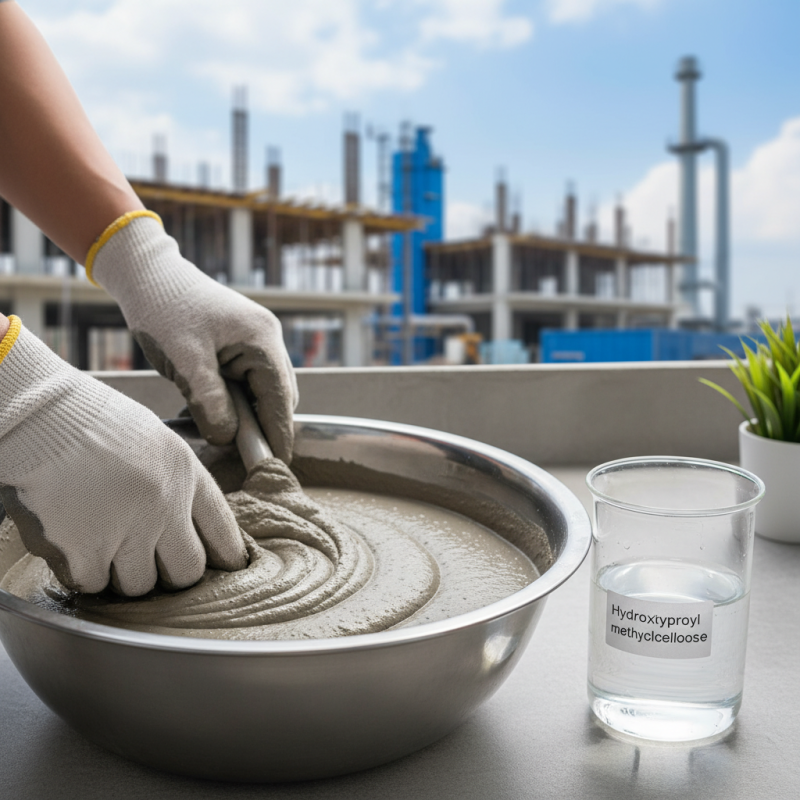
HPMC: Overview and Composition
Hydroxypropyl methylcellulose (HPMC) plays a crucial role in the construction and industrial sectors. Composed primarily of cellulose, HPMC is a non-ionic, water-soluble polymer. Its thickening and binding properties are essential in various applications, particularly in cement and mortar mixtures. According to industry reports, HPMC can enhance the workability of concrete by up to 20%. This attribute is critical for improving the application of materials in construction settings.
HPMC is versatile and often used in adhesives and sealants. Its unique composition allows for improved adhesion and flexibility. In fact, recent studies have shown that HPMC can increase the water retention capacity of cementitious materials by 30%. This creates better hydration and leads to stronger bonds in final products. However, there is still a need to address variations in quality across different batches. In some cases, inconsistencies can reflect negatively on final product performance. Continuous monitoring and evaluation are necessary for optimal results.
Key Benefits of HPMC in Construction Applications
Hydroxypropyl Methylcellulose (HPMC) is widely used in construction. Its properties enhance various applications. Industry studies show that HPMC improves workability in cement-based materials. This results in easier mixing and application. According to recent reports, HPMC can increase water retention by up to 30%. This is crucial for longer setting times.
In tile adhesives, HPMC provides excellent adhesion and flexibility. It reduces slippage, which is critical for vertical applications. Some reports indicate that formulations containing HPMC can improve bond strength by 15-20%. Despite these benefits, there are challenges. Users must ensure the correct dosage to avoid performance issues. Overuse can lead to excessive viscosity, complicating application.
The benefits of HPMC in rendering and plastering systems are also notable. It can enhance uniformity and reduce cracking after drying. Research indicates that HPMC can lower water demand by about 20%. However, too much reliance on HPMC may mask underlying issues in material quality. Thorough testing is necessary to strike a balance.
Benefits of HPMC in Construction Applications
HPMC Uses in Building Materials and Products
Hydroxypropyl methylcellulose (HPMC) plays a crucial role in construction and industrial applications. This cellulose-based compound enhances properties of various building materials. Its ability to improve water retention makes it a key ingredient in cement-based products. For example, when added to tile adhesives, it allows for better adhesion and flexibility. These benefits lead to longer-lasting installations.
HPMC is also used in wall putties and plastering compounds. It improves workability and provides smooth finishes. Contractors appreciate its ease of application. However, mixing HPMC with some formulations requires careful consideration. Overuse can lead to issues with setting times. Construction teams must find the right balance for optimal performance.
In insulation materials, HPMC acts as a binder. It helps create a uniform texture and enhances thermal efficiency. Still, there are challenges in achieving the perfect consistency. Each batch may behave differently, requiring adjustments. Ongoing testing is essential for reliable results in different environments. The potential of HPMC in building materials is vast, but it requires attention to detail.
Role of HPMC in Industrial Processes
Hydroxypropyl Methylcellulose (HPMC) plays a crucial role in various industrial processes. Its thickening and binding properties make it a popular choice in construction materials. For instance, when added to mortars and plasters, HPMC improves workability. This enhancement allows for better adhesion and easier application, especially in challenging environments.
In the textile and paint industries, HPMC is equally valuable. It serves as a stabilizer, preventing sedimentation and ensuring uniform distribution of pigments. Its ability to control viscosity is essential. However, achieving the right consistency can be tricky. Sometimes, manufacturers struggle with formulations that do not meet their specific needs.
Moreover, HPMC’s versatility goes beyond construction and textiles. In the food industry, it acts as a thickener and emulsifier. It keeps ingredients well-blended, yet some users find its impact on texture can be inconsistent. Adapting to different recipes is not always straightforward. Overall, while HPMC is beneficial, its application requires careful consideration and adjustment to achieve optimal results.
HPMC Benefits and Uses in Construction and Industry
| Application | Benefits | Industry | Main Properties |
| Cement Mortars | Improves workability and water retention | Construction | Hydrophilic, enhances adhesion |
| Tile Adhesives | Provides better adhesion and flexibility | Flooring | Thixotropic, improves bond strength |
| Plaster | Enhances workability and finish quality | Interior Finishing | Water retention, anti-sagging |
| Coatings | Improves texture and spreadability | Paints and Coatings | Thickening agent, stabilizing properties |
| Food Products | Acts as a thickener and stabilizer | Food Industry | Non-toxic, regulates viscosity |
Safety and Environmental Considerations of HPMC in Industry
Hydroxypropyl Methylcellulose (HPMC) has gained attention for its diverse applications in construction and various industries. However, the safety and environmental implications of HPMC use require careful scrutiny. According to industry reports, HPMC is often utilized as a thickener and binder in construction materials, such as adhesives and mortars. Its chemical stability typically poses minimal risks. Yet, some studies highlight that prolonged exposure to HPMC dust can cause respiratory issues. This concern cannot be overlooked.
Moreover, the environmental impact of HPMC production and disposal is significant. While HPMC is biodegradable, its production involves energy-intensive processes. Reports indicate that around 60% of raw materials used are derived from cellulose, which raises questions about sustainable sourcing. Moreover, the potential leaching of additives from HPMC-based products into the environment prompts further examination. Adverse effects on aquatic life have been observed in certain conditions, indicating a need for more comprehensive studies.
In summary, while HPMC offers numerous benefits in construction and industry, its safety and environmental ramifications warrant critical assessment. Implementing stricter regulations on exposure levels and efficient waste management strategies could mitigate these issues. The industry must balance the advantages of HPMC with responsible practices to ensure long-term sustainability.