2026 How to Choose the Best Aerosol Packaging Solutions?
In the evolving world of aerosol packaging, selecting the right solution is crucial. According to Dr. Emily Carter, an esteemed expert in the aerosol packaging industry, "The future of aerosol depends on innovation and sustainability." This highlights the need for brands to think critically about their packaging choices.
Aerosol packaging offers distinct advantages, such as convenience and efficiency. However, not all aerosol solutions are created equal. Brands must consider various factors, from materials to environmental impact. Many companies overlook the importance of durability and user experience.
Crafting the perfect aerosol packaging requires careful thought. It's easy to focus solely on design without considering functionality. Errors in choice can lead to product waste or customer dissatisfaction. The journey to optimal aerosol packaging involves constant learning and adaptation, challenging companies to reflect on their decisions.
Understanding Aerosol Packaging and Its Importance
Aerosol packaging plays a crucial role in various industries. It ensures product safety, enhances user convenience, and reduces waste.
According to a recent study by Smithers, the global aerosol market is expected to reach $32.25 billion by 2026. This growth highlights the
increasing importance of effective aerosol packaging solutions.
Choosing the right packaging is vital. It influences product freshness and shelf life. Moreover, the environmental impact of aerosols cannot be ignored.
A report from the Aerosol Association indicates that over 90% of consumers prefer eco-friendly packaging.
This shift in consumer preference urges companies to rethink their choices.
Tips:
Consider the type of product you’re packaging. Some items require different pressures or materials. Conduct tests to ensure compatibility.
Also, think about the dispensing mechanism. Not all aerosols work the same way. Some may require unique valve designs.
Moreover, regulations may vary by region. Staying updated on these requirements is essential. Ignoring them could lead to costly mistakes.
Think about scalability too. Packaging solutions should grow with your business. Invest time now to avoid future complications.
Key Factors to Consider When Choosing Aerosol Packaging Solutions
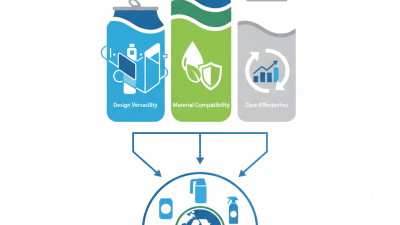
When selecting aerosol packaging solutions, various key factors come into play. Material choice is crucial. Common materials include aluminum and plastic, each offering distinct benefits. According to a report from Smithers Pira, aluminum aerosols provide 100% recyclability. Yet, the higher production cost may deter some businesses. Understanding the trade-off between cost and sustainability is essential.
Next, consider the product's compatibility with the chosen packaging. A study by the International Packaging Association highlighted that 15% of aerosol products fail due to improper packaging. This staggering statistic emphasizes the importance of selecting containers that meet the chemical requirements of the contents. Testing is often necessary, and those additional costs can accumulate quickly.
Lastly, the design must not be overlooked. Attractive designs boost market appeal. However, striking the right balance between aesthetics and functionality is challenging. Research shows that 70% of consumers base their purchasing decisions on product packaging. Brands must reflect on whether their choices truly resonate with their target audience. Each aspect of aerosol packaging requires careful consideration and reflection to avoid missteps.
Different Types of Aerosol Packaging Available in 2026
As we look toward 2026, it's essential to understand the various types of aerosol packaging available. Each option serves unique purposes and comes with strengths and weaknesses. For instance, metal cans are commonly used for products like spray paints and personal care items. They provide excellent protection and a long shelf life. However, they can be heavy and may not be environmentally friendly.
Another popular choice is plastic aerosol containers, which are lighter and more versatile. These can be great for certain cosmetics and household products. Yet, they may not withstand high-pressure applications as well as their metal counterparts. The durability of the material choice plays a significant role in product safety.
Glass aerosol packaging offers a premium feel, ideal for high-end cosmetics. It has a lower impact on the environment, if recyclable. However, it's fragile and often more expensive to produce. Many companies grapple with the trade-offs between appearance and functionality. Each type has its pros and cons. Ensuring the right fit for your product is crucial. Users need to weigh their options carefully before making a decision.
Aerosol Packaging Solutions in 2026
Evaluating Environmental Impact of Aerosol Packaging Options
Aerosol packaging options must be carefully evaluated for their environmental impact. Traditional aerosol cans often contain propellants that can contribute to greenhouse gas emissions. In fact, a study by the European Union found that certain propellants can be 10 to 30 times more harmful than carbon dioxide. Opting for more sustainable alternatives is crucial for reducing overall environmental footprint.
Many manufacturers are now exploring eco-friendly materials. Biodegradable plastics and compressed air systems are gaining traction. A report by the International Packaging Association states that innovative technologies can reduce carbon emissions by 25% or more. This shift not only benefits the planet but also appeals to environmentally conscious consumers.
**Tip:** Always prioritize materials that are recyclable or biodegradable. Research the life cycle of your packaging materials. It’s important to understand the entire process from production to disposal.
Furthermore, consider the energy used in producing and distributing aerosol products. Minimizing this energy consumption is vital. Some studies indicate that up to 70% of a product’s carbon footprint comes from manufacturing. Choosing local suppliers can help reduce transportation emissions, fostering a small yet impactful change.
**Tip:** Engage with suppliers on sustainability initiatives. Demand transparency in their practices. This encourages a culture of responsibility in the industry.
2026 How to Choose the Best Aerosol Packaging Solutions? - Evaluating Environmental Impact of Aerosol Packaging Options
| Aerosol Type |
Material |
Recyclability |
Carbon Footprint (kg CO2e) |
Production Energy (MJ) |
| Standard Aluminum |
Aluminum |
Yes |
4.0 |
13.5 |
| Plastic |
PET |
Yes |
3.7 |
10.1 |
| Biodegradable |
PLA |
Yes |
2.5 |
8.0 |
| Composite |
Aluminum + Plastic |
Limited |
5.5 |
15.3 |
| Glass |
Glass |
Yes |
6.0 |
20.0 |
Future Trends in Aerosol Packaging Technology and Design
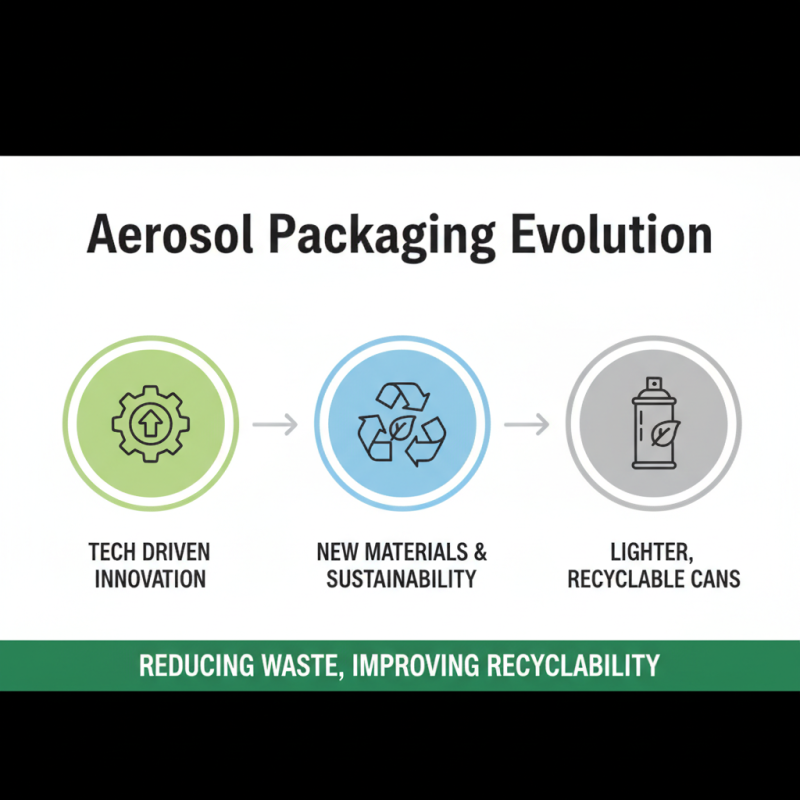
Aerosol packaging continues evolving. Innovations in technology drive changes in design and functionality. New materials emerge, enabling lighter and more sustainable cans. These advancements address environmental concerns. Brands aim to reduce waste and improve recyclability.
Consumer preferences are shifting. Many prefer eco-friendly packaging. This trend forces manufacturers to rethink their approaches. Smart aerosol designs are becoming more common. Features like user-friendly nozzles or adjustable spray patterns are important. However, there is a gap between innovation and implementation.
Finding the right balance is challenging. Designers must consider cost, usability, and aesthetics. This complexity can lead to flawed products. Testing is crucial, but not all companies prioritize it. As the industry evolves, continuous improvement is vital. Mistakes can provide valuable lessons.