What is Herbal Extract and How to Source It Globally?
Herbal Extracts have gained tremendous popularity in recent years. These extracts are derived from various plants and offer a range of health benefits. Many people seek natural alternatives to traditional medicine. This growing demand brings opportunities and challenges in sourcing herbal extracts globally.
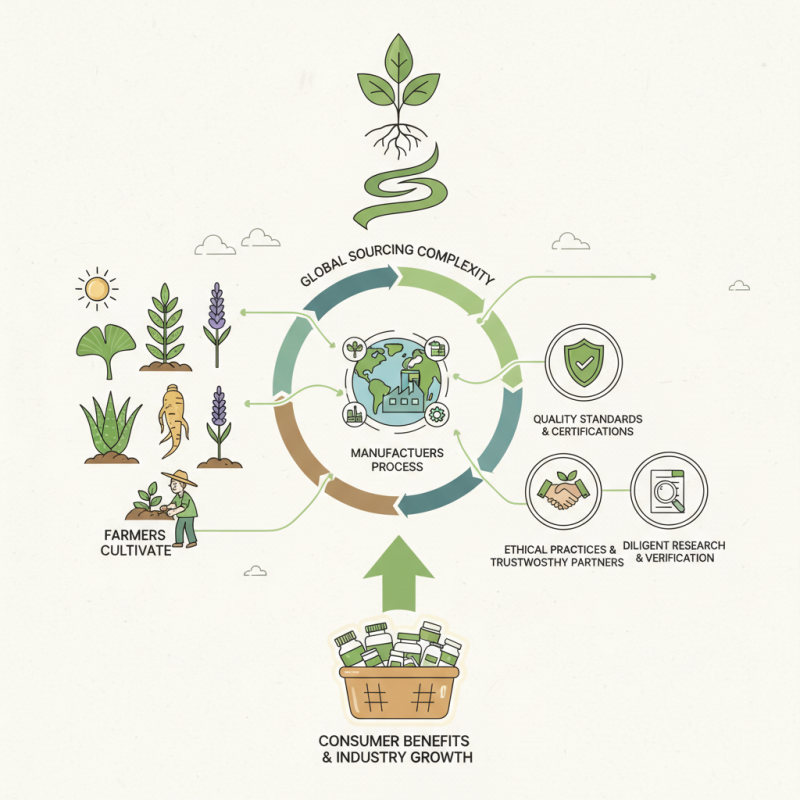
The process of sourcing herbal extracts is complex. It involves understanding the origins of plants and their uses. Different regions produce unique varieties, each with distinct qualities. Some suppliers may not meet quality standards. Finding reliable sources requires diligent research and expertise.
Understanding the supply chain is crucial. Farmers cultivate herbs, while manufacturers process them. Each step affects the final quality of the herbal extract. It is important to verify certifications and ethical practices. Businesses must ensure they work with trustworthy partners. Navigating this landscape can be difficult, but the payoff is significant. A commitment to quality will ultimately benefit consumers and the industry.
What is Herbal Extract? Definition and Overview
Herbal extract refers to concentrated plant substances used for their therapeutic properties. These extracts are derived from various parts of plants, including leaves, roots, and flowers. The extraction process often uses solvents like water or alcohol. This method helps to retain the active compounds, making the extracts potent.
When sourcing herbal extracts globally, it’s crucial to prioritize quality and sustainability. Ensure that the supplier follows ethical practices. Look for certifications that verify the purity and origin of the extracts. This can enhance the trustworthiness of the product you are considering.
Tip: Always request a Certificate of Analysis from the supplier. This document helps verify the extract's potency and safety.
Many consumers overlook the importance of understanding the extraction process. Not all herbal extracts are created equal. Variations in growing conditions or extraction methods can affect their efficacy. Research the plants’ sources and their traditional uses. This provides insights into their potential benefits and precautions.
Tip: Consider starting with small quantities to evaluate the herbal extract's effects. This cautious approach allows for adjustment according to individual needs.
Types of Herbal Extracts and Their Unique Properties
Herbal extracts are derived from various parts of plants, capturing their essential compounds. These extracts possess unique properties that make them valuable across different industries. For instance, flavonoids found in herbal extracts like chamomile exhibit anti-inflammatory effects. A report from the Journal of Medicinal Plants indicated that over 30% of herbal extracts demonstrate antioxidant properties, which are crucial for health supplements.
There are numerous types of herbal extracts. Ethanol extracts are popular for their broad solubility. They capture a wide spectrum of phytochemicals. Water extracts are known for their effective extraction of water-soluble compounds, such as vitamins and minerals. Essential oils offer concentrated volatile compounds, often used in aromatherapy. Each type carries specific properties and applications, vital for targeted therapeutic effects.
Sourcing herbal extracts globally can be challenging. Quality can vary significantly. Regulatory standards differ between regions, complicating sourcing efforts. According to industry insights, contamination issues affect up to 15% of herbal products. Therefore, ensuring reliable suppliers and verifying quality is essential. Despite these challenges, the demand for herbal extracts remains robust, driven by their natural appeal.
Global Sourcing Strategies for Herbal Extracts
Sourcing herbal extracts globally involves a multifaceted approach. Industry reports indicate the global herbal supplements market size was valued at over USD 140 billion in 2020 and is projected to grow significantly. This growth highlights the increasing demand for quality herbal extracts worldwide.
Establishing reliable international supply chains is crucial. Many companies face challenges in quality control and regulatory compliance. Sourcing directly from regions with rich biodiversity and traditional knowledge can enhance product authenticity. For instance, sourcing turmeric from India or ginseng from Korea ensures high-quality extracts. However, ensuring sustainability is vital. Overharvesting in certain regions can lead to depletion of these valuable resources, impacting future supply.
It's essential to build relationships with local farmers and cooperatives. This fosters transparency and allows for better quality assurance. Engaging with communities ensures ethical sourcing practices are followed. Data shows that 70% of consumers prefer products sourced sustainably. Thus, integrating ethical practices not only boosts brand image but also meets consumer expectations. Reliable partnerships can help navigate the complexities of global sourcing, ultimately leading to better-quality herbal extracts.
Regulatory Considerations in Herbal Extract Sourcing
When sourcing herbal extracts globally, regulatory considerations play a crucial role. Each country has its own set of regulations governing the use of herbal products. These rules impact not only the quality of the extracts but also their safety for consumers. Understanding these regulations helps businesses avoid legal pitfalls.
Compliance with local laws is essential. For instance, some regions require extensive testing and documentation before importing herbal products. Companies must navigate these complex requirements, which can vary widely. This process is often time-consuming and may lead to unexpected challenges. It’s important to maintain transparency with suppliers about the sourcing practices.
Moreover, many countries are tightening their regulations around natural products. This shift aims to protect consumers from misleading claims and unsafe products. Companies should regularly review their sourcing practices to align with these evolving regulations. Engaging with local experts can provide valuable insights into these requirements, ensuring a smoother operation. Embracing this complexity could lead to better quality and customer trust in the long run.
Market Trends and Demand for Herbal Extracts Worldwide
The market for herbal extracts is witnessing significant growth. This surge is driven by increasing consumer awareness of natural products. People are turning away from synthetic ingredients. They seek healthier options, influencing demand for herbal extracts globally. These extracts are utilized in various sectors, including food, cosmetics, and pharmaceuticals.
As awareness about the benefits of herbal extracts spreads, suppliers must adapt. Reliable sourcing is crucial to meet market needs. Sourcing sustainably and ethically is important. Consumers are interested in the origin and processing of these extracts. However, not all suppliers prioritize transparency. This creates challenges for companies aiming to build trust.
Despite the optimism in this market, there are hurdles. Quality control remains a concern in sourcing practices. Variability in herbal potency can affect product efficacy. Additionally, navigating international regulations adds complexity to sourcing. Companies must stay informed about local guidelines to ensure compliance. This landscape offers opportunities, but it also requires careful consideration and reflection.