What is a Concrete Batching Plant and How Does It Work?
A Concrete Batching Plant is a crucial facility in the construction industry. It plays a significant role in producing concrete. This process involves mixing various ingredients, including cement, water, aggregates, and additives. Understanding how a Concrete Batching Plant operates can shed light on its importance.
Concrete is widely used in buildings, roads, and bridges. The ability to produce high-quality concrete efficiently is essential for construction projects. A Concrete Batching Plant ensures precise measurements and consistency in concrete production. However, it operates continuously, leading to wear and tear. Regular maintenance is necessary to ensure its reliability.
Choosing the right Concrete Batching Plant is vital. Various types serve different needs, and picking one can be challenging. Key factors include capacity, technology, and ease of use. Reflecting on these choices helps improve decision-making for construction companies and project managers.
What is a Concrete Batching Plant?
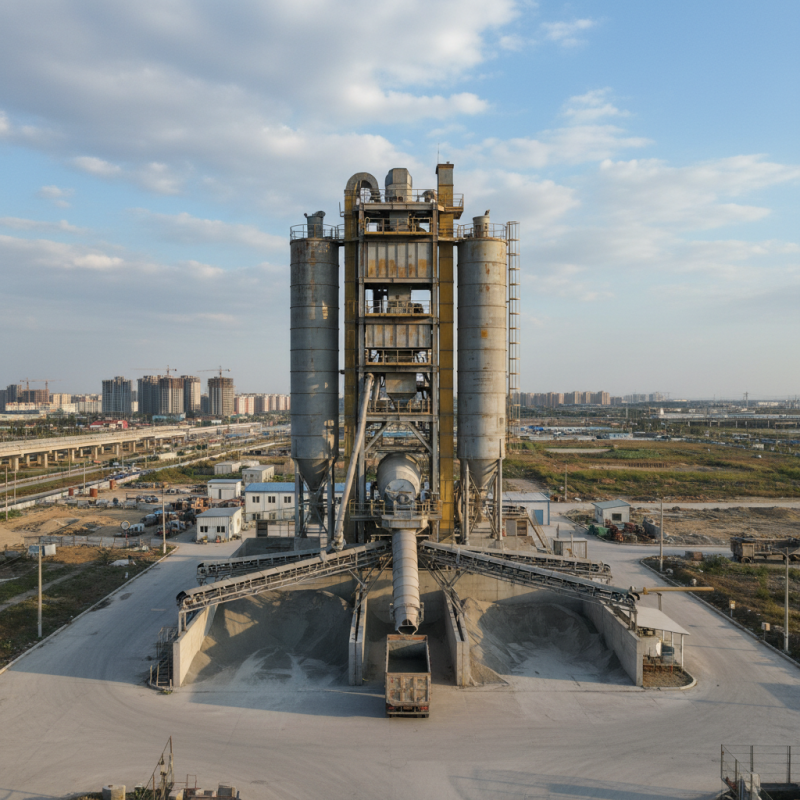
A concrete batching plant is an essential facility for producing concrete. It combines various ingredients like cement, water, sand, and gravel. This mixing process ensures uniformity and consistency. The main components include mixers, aggregate bins, and control systems. Understanding their roles helps in enhancing efficiency.
The operation is intricate but manageable. Materials are stored in designated hoppers and then measured accurately. The mixing process can be done in two ways: batch mixing and continuous mixing. Each method has its advantages. Batch mixing allows for quality control, while continuous mixing supports high production rates. There's always room for improvement in mixing techniques.
However, challenges arise during operation. Sometimes the calibration isn't perfect. Weight discrepancies can occur, affecting quality. Regular maintenance and monitoring are crucial. Operators must stay vigilant to ensure every batch meets the required standards. Overall, a concrete batching plant plays a pivotal role in construction, balancing precision with productivity.
Key Components of a Concrete Batching Plant
Concrete batching plants are vital in the construction industry. They facilitate the efficient mixing of concrete, ensuring that projects are completed on time. Key components of these plants play a significant role in their operation, influencing both quality and productivity.
The main components include aggregate bins, mixers, and silos. Aggregate bins store the raw materials like sand, gravel, and crushed stone. Proper management of these materials ensures consistency in the concrete mix. According to the National Ready Mixed Concrete Association (NRMCA), the right aggregate arrangement can improve overall output by 15%.
Mixers combine these components to create a homogeneous concrete mixture. Their design impacts mixing efficiency and the time required for production.
Silos for cement storage are crucial as well. They ensure that cement is kept dry and prevent contamination. Data shows that proper silo management can reduce material loss by up to 10%. However, irregular maintenance can lead to serious issues, such as downtime or quality variations.
Consistent monitoring of these components is essential for optimal operation.
How a Concrete Batching Plant Operates
A concrete batching plant is vital in construction. It mixes various materials to create concrete. This process requires precision and timing. A well-operating plant ensures high-quality concrete.
Materials like cement, sand, gravel, and water are stored in separate compartments. When needed, these materials are fed into a mixer in specific proportions. This process is controlled by sophisticated software. However, human oversight is still crucial. Mistakes in measurement can lead to poor concrete quality.
Once mixed, the concrete is conveyed to delivery trucks. Timing is critical here, as concrete must be poured while fresh. Delays can compromise strength and integrity. The plant must also comply with environmental standards. Emissions and waste management require careful attention. Despite advancements, challenges remain in achieving perfect consistency in every batch.
The Benefits of Using a Concrete Batching Plant
Concrete batching plants are essential in construction. They ensure consistent quality in concrete production. The main advantage is efficiency. These plants mix materials accurately. This saves time on-site, allowing for rapid project completion.
Another significant benefit is precision. Automated systems monitor ingredient ratios. This minimizes human error and leads to better quality. Consistent concrete results in stronger, more durable structures. Additionally, batching plants can produce different types of concrete for various applications.
However, it's important to note that these systems require regular maintenance. Over time, wear and tear can affect performance. Careful monitoring is necessary to maintain quality. Proper training of personnel is crucial. They must understand the mixing process and equipment operation. Ensuring that operators are skilled helps avoid costly mistakes.
Common Types of Concrete Batching Plants
Concrete batching plants are vital in the construction industry. They ensure the consistent and efficient production of concrete. Different types of batching plants serve various project needs. Understanding these types can help in selecting the right one for specific applications.
The most common types include stationary, mobile, and compact batching plants. Stationary plants are ideal for large projects. They are robust and can handle high volumes of concrete. Mobile concrete batching plants offer flexibility. They can be easily relocated to different job sites. Compact plants are designed for smaller projects. They occupy less space and can be set up quickly.
Each type has its own advantages and disadvantages. Stationary plants require a significant investment but have higher capacity. Mobile plants offer convenience, but they may not have the same output as stationary ones. Compact plants are limited in quantity but are great for small jobs. There isn’t a one-size-fits-all option. Evaluating project requirements will guide the choice.