How to Choose the Best Roofing Drainage Mat for Your Needs?
When selecting a Roofing Drainage Mat, it’s crucial to understand the unique needs of your roofing system. A high-quality drainage mat ensures effective water management, which can prevent costly damage. Poor drainage can lead to mold growth, structural issues, and premature roof failure. Therefore, making an informed choice is essential.
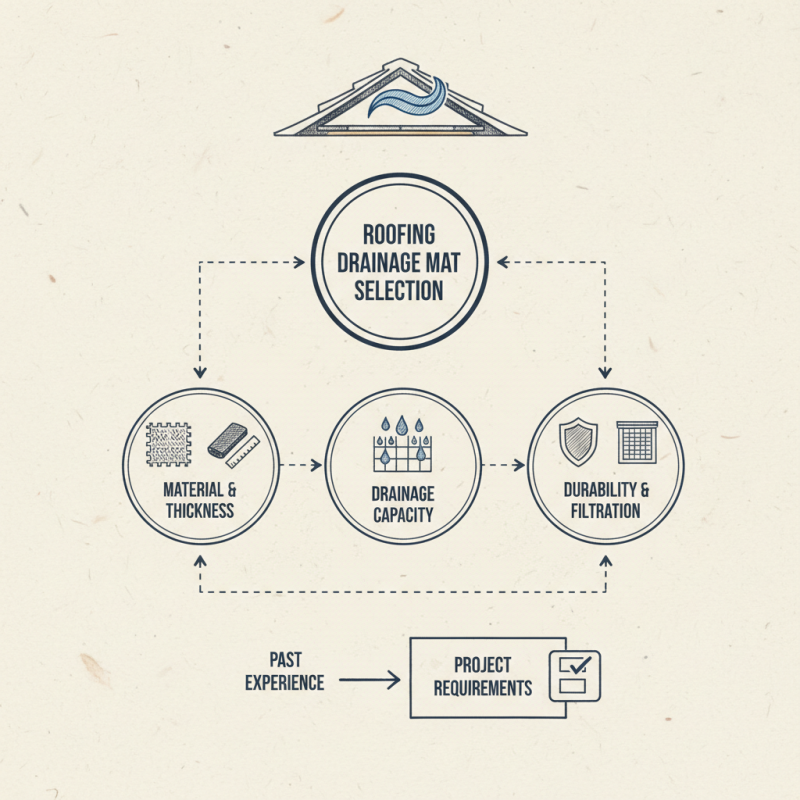
Different roofing projects may require various types of drainage mats. Some mats offer superior filtration, while others excel in durability and resistance to environmental factors. Consider your specific project requirements. Understanding the materials, thickness, and drainage capacity is vital.
Choosing a Roofing Drainage Mat isn’t always straightforward. It may seem overwhelming, with many options available. Reflecting on past experiences can guide your decision-making process. Assess features that worked well before and those that didn’t. Doing so can help you find the perfect match for your roofing needs.
Understanding the Importance of Roofing Drainage Mats in Building Design
Roofing drainage mats play a crucial role in modern building design. They prevent water accumulation, which can lead to structural damage. Proper drainage is essential for the longevity and durability of roofs. Without effective drainage mats, water pooling can weaken materials over time.
Selecting the right mat requires careful consideration. Different materials offer various levels of permeability and durability. For instance, some mats can handle high water flow, while others may struggle. It’s important to assess your specific building needs based on climate and usage. A mat that works in one environment may not be suitable in another.
Understanding the importance of these mats is key. They contribute to the overall health of a building. Building owners often overlook drainage solutions, leading to costly repairs later. Regular inspections and maintenance ensure optimal performance. Reflecting on past decisions may reveal missed opportunities for improvement.
How to Choose the Best Roofing Drainage Mat for Your Needs?
| Type of Drainage Mat | Material | Thickness | Weight (lbs/sq ft) | Water Flow Rate (gallons/min) | UV Resistance |
| Polyethylene Drainage Mat | Polyethylene | ½ inch | 0.75 | 30 | High |
| Geotextile Fabric Mat | Polypropylene | ¼ inch | 0.5 | 25 | Medium |
| Rubber Membrane Mat | EPDM Rubber | 1 inch | 1.5 | 35 | Very High |
| Plastic Drainage Board | HDPE | ¾ inch | 1.0 | 40 | Medium |
Evaluating Different Types of Roofing Drainage Mats for Longevity
Choosing the right roofing drainage mat involves careful consideration of various materials and their durability. Many mats come with different features that affect their longevity. For instance, some mats are designed with a high-density structure, which can resist punctures and wear over time. Others incorporate advanced drainage channels that facilitate water movement, reducing the risk of pooling.
It's essential to evaluate your specific needs when selecting a mat. Factors such as your roof's slope, local climate, and the type of roofing material will influence your choice. Mats meant for flat roofs may differ significantly from those made for sloped roofs. Always check for abrasion resistance and UV stability in materials. The lifespan of a mat is often tied to these properties and how they perform under varying weather conditions.
Testing different materials can reveal unexpected challenges. Some mats might appear durable at first but fail under heavy rainfall or prolonged sun exposure. This highlights the importance of conducting thorough evaluations before making a decision. Investing in a mat that balances quality and cost can lead to long-term benefits, but research is crucial to avoid potential pitfalls.
Key Factors Impacting Selection: Material, Weight, and Drainage Capacity
Choosing a roofing drainage mat involves considering several key factors. Material is crucial. High-quality mats may be made from synthetic materials or natural fibers. Synthetic options often provide better durability and resistance to mold. Natural fibers can be eco-friendly but might wear out faster. Make sure to analyze the longevity of the chosen material.
Weight matters too. A heavier mat can offer better stability but might be harder to handle. Lightweight options are easier to install but could become less effective over time. Always weigh the pros and cons of the weight you prefer.
Drainage capacity is essential for effective water management. A mat with excellent drainage capabilities prevents water pooling. Look for features like perforations or unique patterns that facilitate quick drainage. The landscape and climate in your area may necessitate a specific drainage capacity.
**Tips:**
Check the manufacturer's specifications for both weight and material durability. Perform a simple test on drainage by pouring water over samples if possible.
Also, consider whether the mat integrates well with existing roofing systems. Sometimes, options that seem best do not fit due to compatibility issues. Conducting research will help in making an informed choice.
Analyzing Industry Standards and Guidelines for Roofing Drainage Systems
When choosing a roofing drainage mat, understanding industry standards is crucial. These guidelines help ensure effective drainage and prolong the life of the roofing system. Common materials include synthetic drainage mats, which offer durability and excellent water management capabilities. Familiarize yourself with local building codes. Compliance is essential to avoid issues down the line.
Consider the weight and thickness of the mat. Thicker mats may resist compression better, providing long-term performance. Water flow rates are also vital. Adequate flow rates prevent ponding and promote overall efficiency. Each roofing system has unique needs, and not every mat is the right fit.
**Tips:** Test mats before installation. Assess their ability to handle local weather conditions. Consult with a roofing expert to validate your findings. Look for certifications that verify compliance with industry standards. It's better to invest time upfront than face problems later.
Cost-Benefit Analysis: Investing in the Right Roofing Drainage Solutions
Investing in the right roofing drainage solutions can mean substantial long-term savings. Proper drainage mats prevent water accumulation on roofs. This reduces the risk of leaks and structural damage. A well-chosen mat can last for many years, decreasing maintenance costs. Yet, choosing the best option requires careful consideration.
Analyze your roof's specific needs. Factors like slope, size, and climate play a key role. A mat that performs well in one region might not suit another. Also, assess installation costs versus expected lifespan. Sometimes, cheaper options can end up costing more over time due to frequent maintenance.
Explore various materials and structures of drainage mats. Each option has its strengths and weaknesses. Some may require more installation time but offer increased durability. This decision can greatly affect long-term effectiveness. Reflecting on these choices is crucial for informed decision-making.