How to Choose the Best Beverage Bottles for Your Needs?
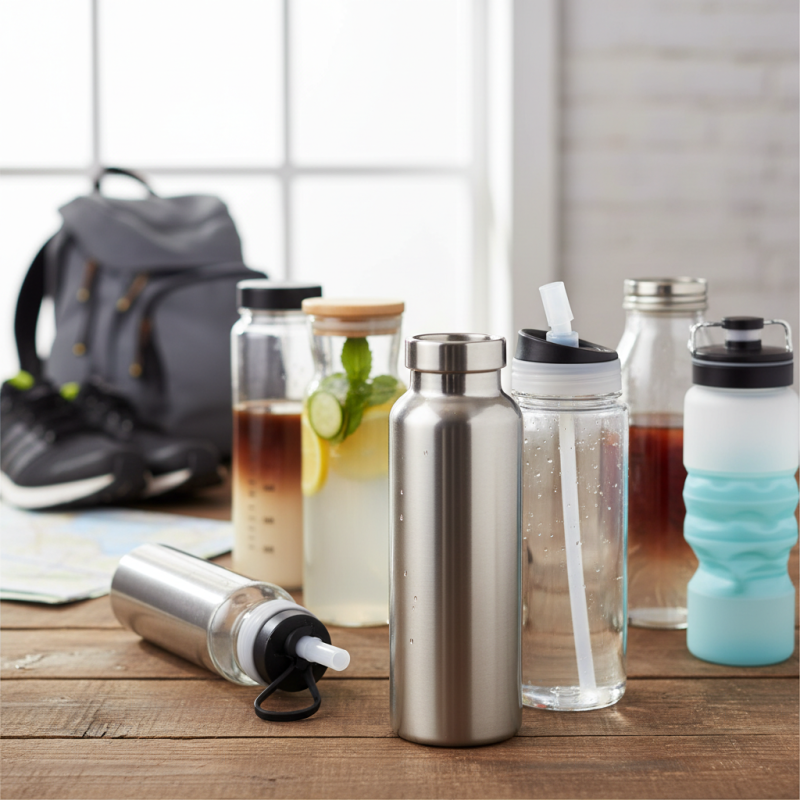
Choosing the right beverage bottles can greatly enhance your drinking experience. Beverage bottles come in various shapes, sizes, and materials. The best option depends on your lifestyle and preferences.
Consider your daily activities. Are you commuting, exercising, or spending a day outdoors? Different scenarios call for different features. For instance, a sturdy stainless steel bottle works well for hikes. Meanwhile, a lightweight plastic bottle may be easier to carry during errands.
Reflect on what matters most. Do you prefer insulation to keep drinks cold? Or are you focused on easy cleaning? Sometimes, a visually appealing design catches your eye, but practicality often takes precedence. Selecting the right beverage bottles is not always straightforward. It requires thought and consideration.
Choosing Between Material Types: Glass, Plastic, and Stainless Steel
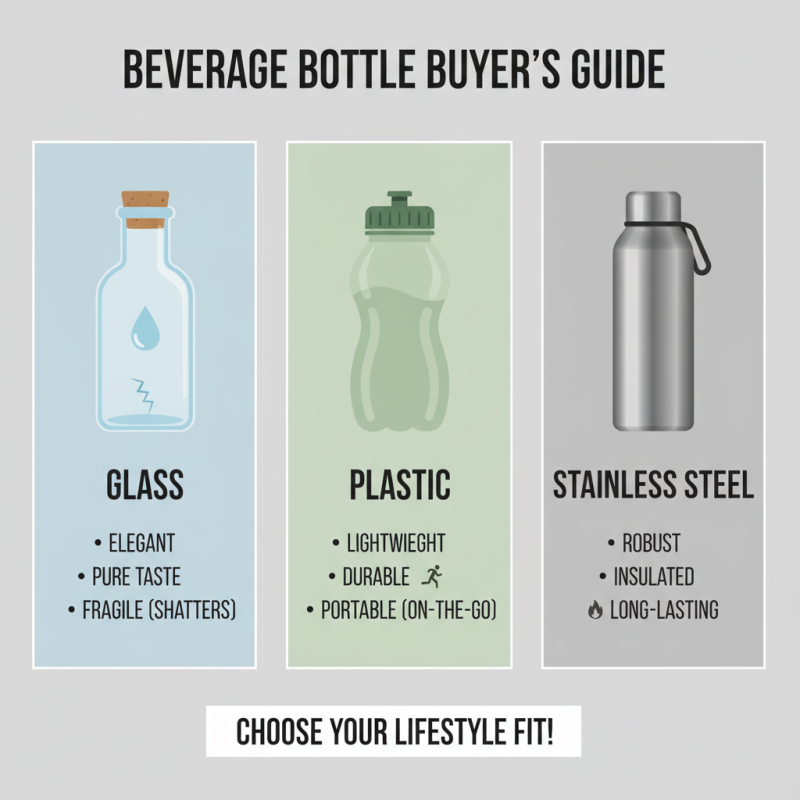
When choosing between glass, plastic, and stainless steel beverage bottles, it's essential to consider your lifestyle. Glass bottles are elegant and often preserve flavor well. However, they can be fragile. One drop can mean a shattered bottle. For those always on the go, this might be a drawback.
Plastic bottles are lightweight and virtually unbreakable, making them ideal for outdoor activities. Yet, they can retain odors and stains after extended use. Some people find it challenging to clean them thoroughly. It’s worth noting that not all plastics are created equal; some may affect the taste of your drink.
Stainless steel stands out for its durability. It often keeps drinks cold or hot for a longer time. However, these bottles can be heavier than plastic. Not everyone enjoys the metallic taste either. Ultimately, the right choice depends on your needs. Reflect on how often you'll use the bottle and for what purpose.
Understanding Capacity: How Size Affects Functionality and Portability
When selecting a beverage bottle, size is crucial. A large capacity bottle might seem practical for a day out. However, it can become heavy and cumbersome. Consider your daily routines. Do you need portability? Smaller bottles are easier to carry. They fit in bags with ease and are lighter to hold.
On the other hand, if you’re planning long hikes, a larger bottle might be necessary. It's important to balance functionality with convenience. A bottle that holds a lot can keep you hydrated longer, but it also takes up space. Think about how often you'll refill it. Will you have access to water sources?
Ultimately, your choice should cater to your lifestyle. Sometimes, we buy bottles that look nice but don't serve our needs. Reflect on what you truly require. The right size can make a significant difference in your daily hydration experience.
How to Choose the Best Beverage Bottles for Your Needs?
| Bottle Type |
Material |
Capacity (ml) |
Weight (g) |
Portability Level |
| Sport Bottle |
Plastic |
600 |
200 |
High |
| Insulated Bottle |
Stainless Steel |
500 |
300 |
Medium |
| Glass Bottle |
Glass |
750 |
400 |
Low |
| Collapsible Bottle |
Silicone |
500 |
150 |
High |
| Travel Mug |
Ceramic |
400 |
350 |
Medium |
Evaluating Insulation Properties: Hot vs. Cold Beverage Retention
When choosing a beverage bottle, insulation properties are crucial. Different bottles retain temperature differently. Reports show that high-quality insulated bottles can keep hot beverages hot for up to 12 hours. Cold drinks can stay chilled for nearly 24 hours. However, not all bottles perform equally.
Some bottles use double-wall vacuum insulation. This design prevents heat transfer and enhances beverage retention. On the other hand, single-wall bottles may not provide the same level of insulation. A study indicated that they can lose up to 30% of their temperature in just a few hours. Visualize this: a steaming cup of coffee might cool down rapidly in a single-wall bottle.
It's also important to consider material. Stainless steel bottles are popular for their durability and insulation. However, lightweight plastic bottles often sacrifice temperature retention for portability. A survey found that 40% of users regret purchasing the lighter option due to inadequate insulation. Reflecting on these choices can help you find a bottle that truly meets your needs.
Safety Standards: BPA and Other Chemical Considerations in Bottles
When choosing beverage bottles, safety is paramount. BPA, or bisphenol A, has raised concerns in consumer products. Reports show that BPA can seep into liquids and pose health risks. A study published in Environmental Health Perspectives revealed that BPA exposure is linked to hormonal disruptions. Many health experts recommend using BPA-free bottles to mitigate these hazards.
Beyond BPA, other chemicals also deserve attention. Some plastic bottles may contain phthalates, which can interfere with endocrine functions. A 2015 study reported that over 30% of plastic products tested contained harmful levels of phthalates. These findings highlight the need for rigorous safety standards in beverage containers. Look for bottles made from safer materials like stainless steel or certain types of glass.
Making informed choices is not always easy. The industry often lacks transparency regarding materials used in manufacturing. Labels can be ambiguous, making it tough to determine what’s safe. Awareness is key. Understanding the risks associated with common materials can lead to healthier choices. The right beverage bottle should not only quench your thirst but also protect your health.
User Preferences: Customization and Aesthetic Features in Beverage Bottles
When selecting beverage bottles, user preferences play a crucial role. A recent report by Statista reveals that customization in product design is increasingly valued. About 48% of consumers prefer personalized items that reflect their style. This trend indicates a demand for aesthetics that make a bottle more than just functional. Unique colors, patterns, or even engraving options can significantly enhance user satisfaction.
Design also matters. Studies show that 72% of people are influenced by how appealing a product looks. Sleek, ergonomic bottles not only look good but also feel great in hand. Functional features like wide openings or built-in straws add to user experience. However, many bottles compromise on these aspects, leading to frustration. A balance between style and practicality is essential.
Yet, not every design trend resonates with every user. Some may find over-customization distracting. Others might struggle to find bottles that match their personality. It's crucial for manufacturers to seek feedback continuously. Listening to users can lead to designs that truly meet consumer needs, ensuring both form and function are harmonized.
Customization Preferences in Beverage Bottle Selection