How to Choose the Best Beverage Bottles Wholesale for Your Business Needs?
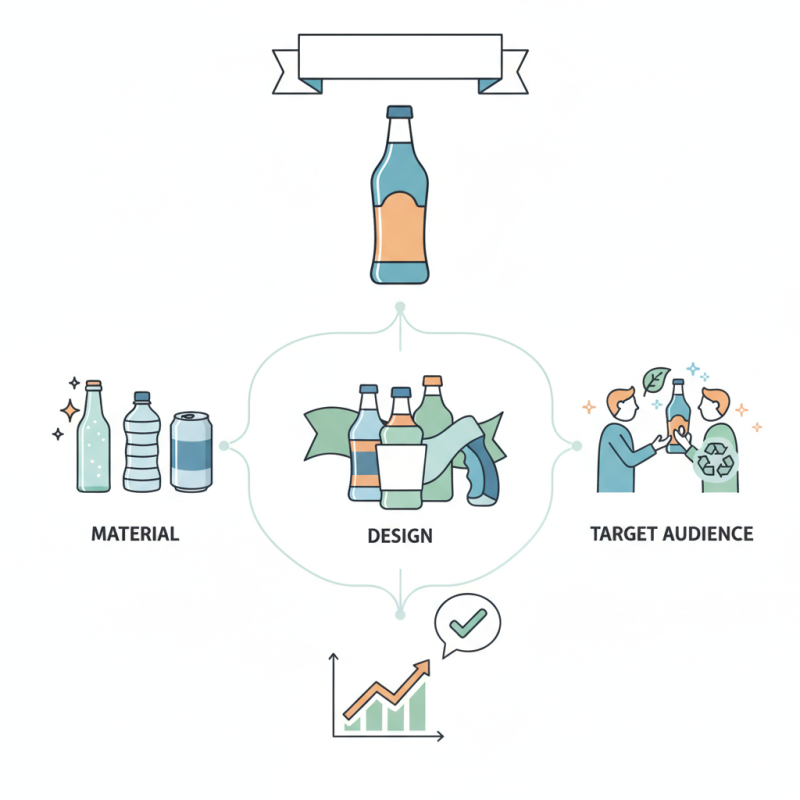
Choosing the right beverage bottles wholesale can significantly impact your business. With various options available, it’s crucial to consider several factors. The material of the bottles, their design, and their overall functionality should be top priorities.
The market has a wide range of choices. Glass, plastic, and aluminum are common materials. Each has its benefits. For instance, glass is often preferred for premium beverages, while plastic ensures lightweight portability. Don’t forget the label space too. It can enhance your branding.
Think about your target audience. What do they value? Eco-friendliness? Aesthetic appeal? Understanding your customers will guide your selection process. Reflect on your past choices as well. Were they successful? Did they meet customer expectations? Taking time to analyze these details can lead you to the best beverage bottles wholesale for your business.
Understanding Your Business Needs for Beverage Bottles
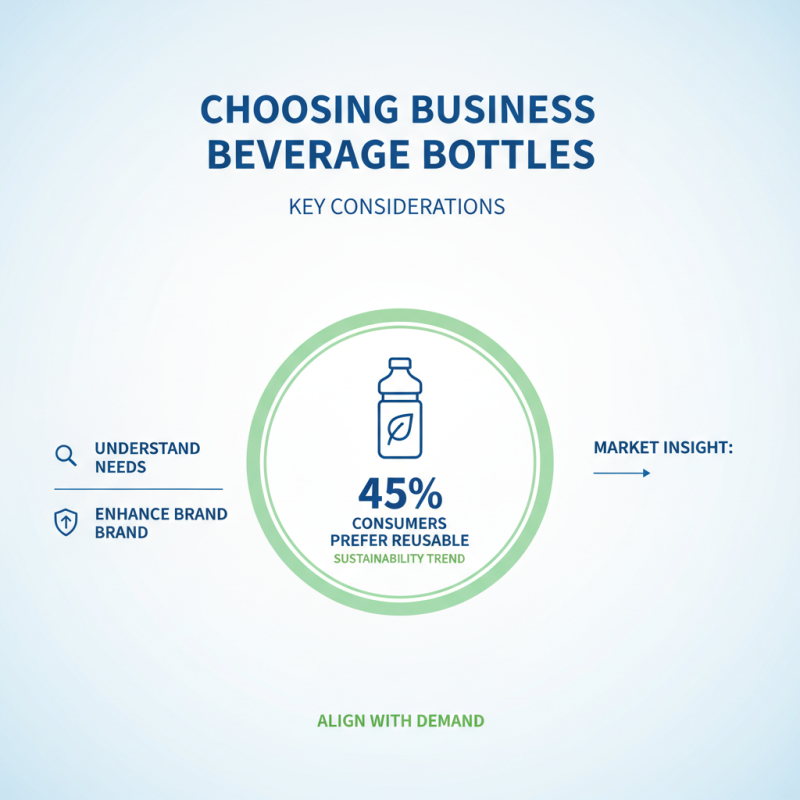
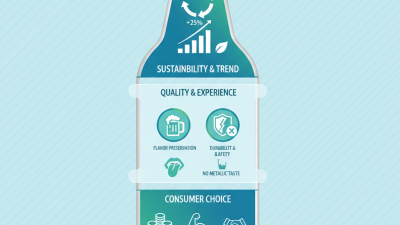
Choosing the right beverage bottles for your business can be challenging. Understanding your specific needs is the first step. Recent market research shows that 45% of consumers now prefer reusable bottles. This trend reflects a growing awareness of sustainability. Businesses that align with this demand can enhance their brand image.
Size and capacity are crucial factors. According to industry reports, bottles ranging from 500ml to 1 liter are the most popular. They cater to customers looking for both convenience and hydration. A mismatch in size can lead to wasted resources. Additionally, consider the materials used. Plastic, glass, and stainless steel each have unique benefits. A recent survey indicated that 70% of consumers check material quality before making a purchase.
Do not overlook design elements. An attractive bottle can catch the eye and boost sales. However, overcomplicated designs may confuse customers. Simplicity often works best. Also, reflect on the packaging process. Bottles that are difficult to fill or seal can lead to inefficiencies. Research suggests that streamlined processes save businesses up to 20% in operational costs. Ensure that your choice not only meets consumer preferences but also simplifies your logistics.
Evaluating Materials and Environmental Impact of Bottles
When selecting beverage bottles, consider their material. Glass, plastic, and stainless steel each have distinct advantages. Glass offers purity. It is recyclable and doesn’t leach chemicals. However, it can break easily. Plastic is lighter and shatterproof. Yet, concerns about microplastics persist. Stainless steel provides durability. It's reusable and easy to clean, but may affect taste.
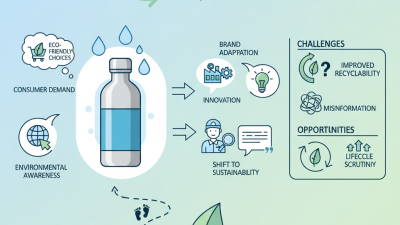
Environmental impact is crucial. Bottles made from recycled materials can reduce waste. This is an important factor for eco-conscious consumers. However, the production process of plastic bottles can still be taxing. You should assess the entire lifecycle of your chosen material. Look into carbon footprints and energy consumption.
While some materials are better for the environment, they also present challenges. Opting for sustainable options involves trade-offs. Will your bottles be cost-effective? What about sourcing? These questions deserve thoughtful consideration. Balancing quality, cost, and environmental sustainability is not easy. However, it can lead to better choices for your business and the planet.
Material Evaluation for Beverage Bottles
This chart presents a comparison of various materials used in beverage bottles based on their environmental impact and recyclability. It highlights the percentage of usage for each material in the beverage industry.
Analyzing Cost-Effectiveness and Wholesale Pricing Strategies
When analyzing cost-effectiveness in beverage bottle sourcing, price is a crucial factor. According to recent industry reports, average wholesale prices for beverage bottles can range from $0.30 to $1.50 per unit. Factors influencing this pricing include material type and order volume. For example, glass bottles tend to be pricier than plastic but can enhance brand perception.
Volume discounts also play a significant role. Businesses ordering larger quantities can often negotiate better rates. Reports indicate that purchasing in bulk can lower costs by up to 30%. However, businesses must balance the need for stock against cash flow. Excess inventory can lead to wasted funds, making careful forecasting essential.
Additionally, online platforms provide transparency in pricing. Many sources show that competitive pricing is available across various suppliers, allowing businesses to compare multiple options easily. This transparency can also expose unrealistic pricing practices, prompting buyers to question higher quotes. Ultimately, understanding these dynamics can lead to smarter purchasing decisions.
Assessing Customization Options for Branding and Marketing
When selecting beverage bottles for your business, customization can be a game changer. Your brand image thrives on unique packaging that stands out. Consider the materials used; glass, stainless steel, and BPA-free plastics all offer distinct advantages. Each type of material can be customized differently. For instance, glass is excellent for designs that require intricate details.
Colors play a vital role in customization. A vibrant shade can attract attention and convey your brand’s personality. Think about how your colors can resonate with your target audience. Custom printing options, such as screen printing or laser engraving, add depth to your branding efforts. However, not all methods fit all materials, and this could limit creativity. You might need to experiment.
Besides aesthetics, functionality matters too. Ensure that custom features enhance usability. Special lids or built-in straws can offer convenience. But remember, this is not a one-size-fits-all solution. Some features may complicate the design process or increase production costs unexpectedly. Balancing practicality with aesthetics requires careful thought and consideration. Reflect on what best represents your brand and appeals to customers.
Researching Supplier Reliability and Industry Standards
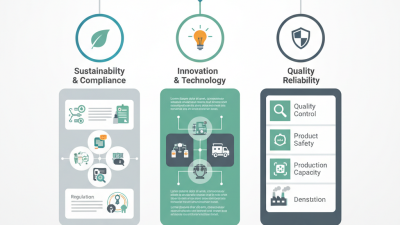
When selecting beverage bottles for your business, ensuring supplier reliability is essential. Research shows that 40% of businesses report issues with inconsistent quality. This inconsistency can lead to customer dissatisfaction. A reliable supplier should have a transparent manufacturing process. They must adhere to industry standards, such as ISO certifications, which ensure quality and safety.
It's also vital to evaluate industry standards. The Beverage Marketing Corporation released a report indicating that approximately 80% of consumers prioritize eco-friendly packaging. This trend can influence your choice of suppliers. Inadequate knowledge about these standards may result in poor product choices. A common mistake businesses make is not verifying suppliers' compliance with safety regulations. Regular scrutiny of supplier practices can lead to improved outcomes.
Additionally, pay attention to reviews and feedback. A single negative review can signal larger issues. Over 50% of suppliers that fail to meet industry standards receive similar complaints. This suggests patterns that may affect your brand. Being vigilant about supplier selection can mitigate risks.