How to Choose the Best Aluminum Bottle Packaging Solutions?
Choosing the right aluminum bottle packaging is crucial for brands seeking sustainability and durability. Industry expert Dr. Emily Freshman, a leading consultant in packaging materials, stated, "Aluminum bottles not only offer superior protection but also enhance brand visibility." This insight underscores the importance of selecting appropriate packaging in a competitive market.
Aluminum bottle packaging combines lightweight design with recyclability, making it an environmentally friendly choice. Brands must weigh the benefits of versatility against potential drawbacks, such as cost and energy consumption during production. Innovations in this field continue to emerge, sometimes leading to a lack of awareness about the best options available.
Exploring the latest trends and technologies in aluminum bottle packaging can be overwhelming. Brands should engage with experts to understand these complexities. Balancing aesthetics with functionality is essential in this evolving market landscape. Consideration of customer needs and preferences is vital, yet many brands still overlook this aspect. Reflecting on these elements can guide companies towards the best solutions.

Understanding the Advantages of Aluminum Bottle Packaging in the Market
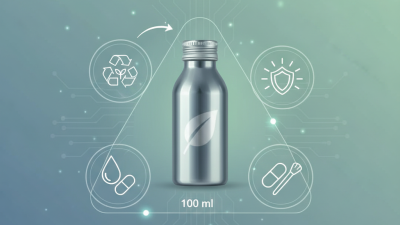
Aluminum bottle packaging is gaining traction in various markets. Its lightweight nature can significantly reduce shipping costs. Additionally, these bottles are highly recyclable, making them a sustainable choice. Many consumers are now prioritizing eco-friendly products. Such preferences are reshaping the packaging industry.
Choosing aluminum bottles offers several advantages. They are resistant to corrosion and can maintain the quality of beverages longer. The airtight seal prevents contamination and ensures freshness. Additionally, aluminum bottles can be custom-designed. This allows brands to differentiate themselves in competitive spaces. A good design draws attention and promotes brand loyalty.
**Tip:** Always consider the end-user experience when selecting packaging. A comfortable grip can enhance usability.
**Tip:** Test different finishes. Matte or glossy can change how consumers perceive your product.
Understanding the strengths and weaknesses of aluminum packaging is vital. Some may argue about the initial costs. However, the long-term benefits often outweigh these concerns. Conduct thorough research before making decisions. This ensures that the chosen solution matches market demands.
Advantages of Aluminum Bottle Packaging
Key Factors to Consider When Selecting Aluminum Bottle Packaging
Choosing the right aluminum bottle packaging requires careful consideration of various factors. Start with the intended use of the bottle. Will it hold beverages, cosmetics, or chemicals? Different contents require different specifications. This can influence the bottle's shape and design.
Next, consider the dimensions and capacity. Aluminum bottles come in numerous sizes. It's essential to select a size that aligns with consumer demand. A too-large or too-small bottle can lead to waste or dissatisfaction. Additionally, look at the sealing options available. Proper seals prevent leaks and preserve product integrity.
Evaluate the sustainability aspect of your choice. Eco-friendliness is crucial for many consumers today. Check if the manufacturer uses recyclable materials and sustainable practices. Authenticity matters. Transparent sourcing builds trust with customers. Keep performance in mind as well. Not all aluminum is created equal. Some might not withstand high temperatures. A careful review can save costly mistakes later.
How to Choose the Best Aluminum Bottle Packaging Solutions?
| Factor |
Description |
Importance Level |
| Material Quality |
The purity and strength of aluminum affect the durability and safety of the bottle. |
High |
| Design Flexibility |
Ability to create custom shapes and sizes for specific needs. |
Medium |
| Sustainability |
Consideration of recyclable materials and eco-friendly production processes. |
High |
| Cost |
Overall expense including production, shipping, and recycling. |
Medium |
| Manufacturing Lead Time |
Time required from order to delivery. |
Medium |
| Safety Standards |
Compliance with health, safety, and regulatory standards for food and beverage contact. |
High |
| Aesthetic Appeal |
The visual design and finish can influence consumer preferences. |
Medium |
| Closure Type |
Different closure options that ensure product integrity and ease of use. |
High |
Analyzing Consumer Preferences for Aluminum Bottle Designs
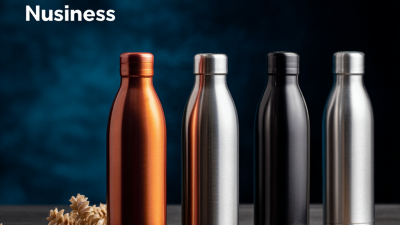
Consumer preferences for aluminum bottle designs are rapidly evolving. Many shoppers are drawn to lightweight and portable options. A sleek aluminum bottle can reflect a modern aesthetic. Bright colors and unique shapes often catch the eye. These features may influence purchasing decisions more than we realize.
Sustainability is a significant factor for consumers today. Eco-conscious buyers look for packaging that aligns with their values. Aluminum is recyclable and often perceived as a greener option. However, not all consumers understand the recycling process. Clear information on recycling could enhance trust and encourage responsible disposal.
Some design elements may hinder usability. Bottles with intricate shapes can be challenging to grip. Similarly, cap designs that are hard to open can frustrate users. Brands must balance aesthetics with practicality. Testing different designs with target audiences can lead to better results. Understanding what consumers truly appreciate is key to successful aluminum bottle packaging.
Comparative Cost Analysis: Aluminum vs. Other Packaging Materials
When evaluating packaging solutions, cost-effectiveness is paramount. Aluminum bottles are often more expensive upfront. However, their durability can lead to long-term savings. According to a market analysis from Smithers Pira, aluminum packaging can extend shelf life by 50% compared to plastic options. This longevity reduces waste and the need for frequent replacements.
In comparison, traditional plastics, like PET, may initially seem cheaper. Yet, their environmental impact has led to increasing disposal costs. A report from the Ellen MacArthur Foundation highlights that recycling rates for aluminum are around 75%, far superior to the mere 9% for plastics. This discrepancy can significantly affect overall costs when considering sustainability.
Furthermore, businesses must consider transportation expenses. Aluminum is lightweight, which lowers shipping costs. Yet, the production process requires a substantial amount of energy. Balancing these factors is crucial. Some industry analysts suggest a hybrid approach might be more effective. This strategy can leverage the benefits of both materials while minimizing weaknesses.
Sustainability Impact of Aluminum Bottles in Packaging Solutions
The sustainability impact of aluminum bottles in packaging is significant.
Studies show that aluminum can be recycled indefinitely, with over
75% of aluminum ever produced still in use today. This material plays a crucial role in
reducing waste. One report indicates that recycling aluminum saves up to
95% of the energy required to produce new aluminum from raw
materials.
Aluminum bottles are lightweight, which reduces transportation emissions.
The lightweight nature means more units can be shipped in a single load. However, production processes can
sometimes release harmful emissions, raising concerns about their environmental impact. The aluminum
industry is working on these issues, aiming for cleaner production methods.
Moreover, there's a growing demand for sustainable packaging solutions.
A recent survey revealed that 72% of consumers prefer products with
environmentally friendly packaging. This shift is pushing companies to explore
reusable and recyclable alternatives, like aluminum bottles. Yet, some companies still struggle to fully
embrace sustainability. Balancing cost and environmental responsibility remains a challenge.