What is Carob Bean Extract Benefits Uses and Properties?
Carob Bean Extract has gained attention in recent years for its numerous health benefits. Dr. Emily Patel, a leading expert in natural supplements, states, “Carob Bean Extract offers a powerhouse of nutrients that can enhance diet and wellness.” This extract, derived from the pods of the carob tree, is often praised for its rich fiber content and potential antioxidant properties.
Many people are unaware of the advantages of integrating Carob Bean Extract into their daily routines. This natural ingredient can be a great alternative to cocoa, providing a chocolate-like flavor without the caffeine. Additionally, it’s suitable for those with dietary restrictions, as it is gluten-free and low in fat.
While the benefits are compelling, it's essential to consider individual needs and preferences. Not everyone may experience the same effects, so cautious experimentation is key. Exploring how Carob Bean Extract fits into your lifestyle can lead to positive changes, but always consult a healthcare professional for personalized advice.
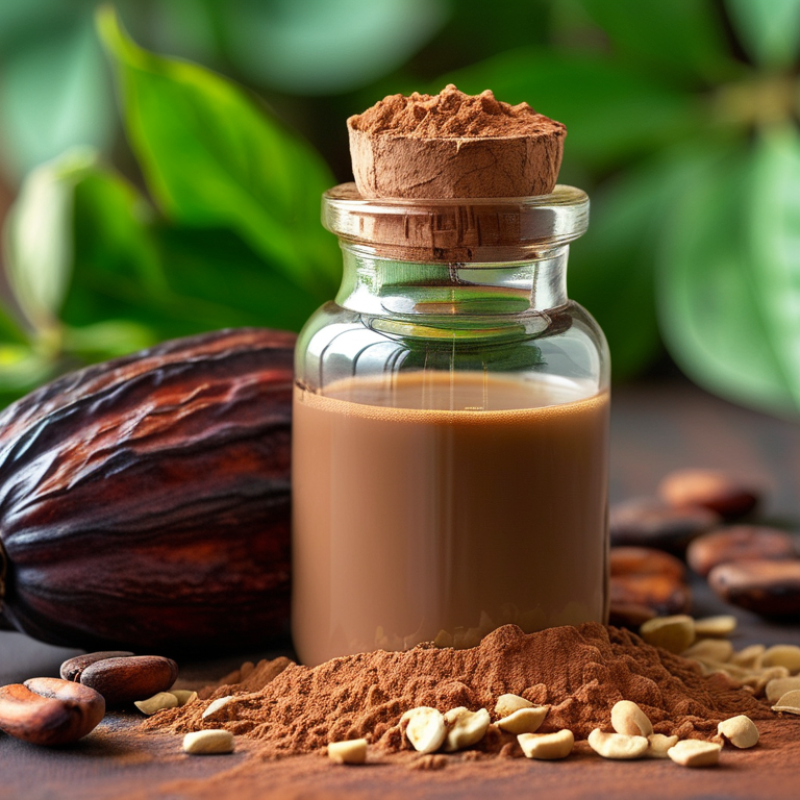
Carob Bean Extract: Overview and Origin
Carob bean extract comes from the pods of the carob tree, native to the Mediterranean region. This tree thrives in warm, dry climates, making it a resilient option for many farmers. The pods, rich in nutrients, have been harvested for centuries. They were traditionally used as a chocolate substitute, offering a sweet flavor without caffeine.
The extract is made by drying and grinding the pods. It contains natural sugars, dietary fiber, and essential minerals. People often appreciate its high fiber content, promoting digestive health. Some studies point to antioxidant properties, which may help fight free radicals. While many enjoy the taste and health benefits, it’s essential to consider potential allergies.
The nutritional profile of carob bean extract is intriguing. However, it lacks certain nutrients found in chocolate. People looking for a direct substitute may be disappointed. The flavor can be different, and not everyone loves it. This might require some adjustment in recipes. Using carob requires creativity and maybe trial and error in the kitchen. Exploring its potential can lead to unexpected discoveries, and that’s part of the journey with this unique ingredient.
Nutritional Composition of Carob Bean Extract
Carob bean extract is gaining attention for its nutritional benefits. Derived from the carob tree, it boasts a unique composition that can enhance diets. Rich in fiber, it aids digestion, promoting gut health. A 100-gram serving contains around 38 grams of carbohydrates, with 14 grams of natural sugars. This makes it a healthy alternative to chocolate, which usually contains higher sugar levels.
In addition to carbohydrates, carob bean extract is notable for its protein content. It provides about 4 grams of protein per 100 grams, which supports muscle repair and growth. The extract is also a source of essential vitamins and minerals. It includes vitamin A, calcium, and magnesium, which are vital for bone health and metabolic functions. A study published in the "Journal of Nutritional Science" highlighted these benefits, emphasizing the extract's role in improving overall health.
However, not everyone may reap the same rewards from carob bean extract. Some individuals may experience digestive discomfort due to its high fiber content. It is important to gradually introduce this extract into the diet. Moreover, while the extract is naturally gluten-free, cross-contamination can occur. Hence, scrutinizing product labels is essential for those with gluten sensitivities.
Health Benefits of Carob Bean Extract
Carob bean extract has garnered attention for its potential health benefits. Rich in vitamins and minerals, it delivers a unique nutritional profile. A study published in the Journal of Nutritional Science highlighted that carob is high in fiber, which can support digestive health. Regular consumption may reduce cholesterol levels and help manage weight, notably due to its low-fat content.
Another remarkable aspect is its antioxidant properties. Antioxidants combat oxidative stress, potentially lowering the risk of chronic diseases. Research from the American Journal of Clinical Nutrition found that antioxidants in carob can enhance heart health and improve overall well-being. A 2006 study demonstrated that combining carob with a balanced diet may enhance metabolic health.
**Tip:** Incorporate carob bean extract into smoothies for a nutritious boost. It adds a unique flavor without caffeine.
Like all natural supplements, responses can vary by individual. Some may experience digestive discomfort if consumed in excess. Always start with a small quantity.
**Tip:** Monitor your body's response to carob during the first few days of use. Adjust your intake based on how you feel.
What is Carob Bean Extract Benefits Uses and Properties?
| Property/Benefit | Description |
| Rich Nutrient Profile | Contains vitamins (A, B, D) and minerals (calcium, potassium, magnesium). |
| Antioxidant Properties | Helps combat oxidative stress and free radical damage. |
| Digestive Health | High in dietary fiber, aids in digestion and promotes gut health. |
| Weight Management | Low in fat and calories, can be beneficial for weight control. |
| Caffeine Substitute | Naturally caffeine-free, an alternative to chocolate and coffee. |
| Anti-Inflammatory Effects | May help reduce inflammation and support overall health. |
| Blood Sugar Control | May help stabilize blood sugar levels due to high fiber content. |
| Skin Health | Contains compounds that may support skin health and healing. |
Common Uses of Carob Bean Extract in Food and Supplements
Carob bean extract is increasingly popular in food and supplements due to its unique properties. This natural ingredient comes from the pods of the carob tree, a plant native to the Mediterranean region. It has a sweet, chocolate-like flavor, making it an appealing alternative to cocoa. Many people use it in baking and cooking to enhance the taste while adding nutritional benefits.
In food, carob bean extract serves many purposes. It is often used as a natural sweetener. It has a lower glycemic index than sugar, making it suitable for those managing blood sugar levels. Additionally, it contains fiber, which aids digestion and promotes gut health. In supplements, it is often found in powder or tablet form, providing antioxidants that support overall wellness. The extract is considered safe and well-tolerated, although some may experience allergies.
However, not everyone finds carob beneficial. Some might dislike its distinct taste. Additionally, its nutritional content can vary significantly based on processing methods. It’s essential to research and choose high-quality sources to reap the maximum benefits. While it has advantages, individual responses may vary.
Potential Side Effects and Considerations of Carob Bean Extract
Carob bean extract is derived from the carob tree's pods. While it has many benefits, it's important to consider potential side effects. Research indicates that some individuals may experience allergic reactions. A study in the *Journal of Allergy and Clinical Immunology* highlighted that carob can trigger sensitivities in people with certain plant allergies.
Digestive issues might arise due to its high fiber content. The *American Journal of Clinical Nutrition* notes that excessive fiber intake can lead to bloating, gas, and discomfort. Individuals should introduce carob gradually into their diets to monitor their body's response. Another consideration is its potential interactions with medications. Some reports suggest that carob’s compounds could affect the absorption of specific drugs, necessitating a careful approach for those on medication.
Furthermore, while carob is often considered a healthier alternative to chocolate due to lower caffeine levels, excessive consumption might still lead to adverse effects. Maintaining a balanced intake is crucial. Overall, understanding individual reactions and consulting with a healthcare provider can help mitigate risks associated with carob bean extract.
Benefits of Carob Bean Extract