Best Practices for SUNRISE VIOLET FERTILIZER DYEING?
The demand for sustainable agriculture has led to innovative practices in fertilizer dyeing, particularly using SUNRISE VIOLET-FERTILIZER DYEING. This method enhances the visibility of fertilizers, allowing farmers to apply them more effectively. According to a recent report from the Agricultural Innovations Institute, precision application can increase crop yields by up to 20%.
However, the effectiveness of dyeing depends on several factors. The concentration of the dye can impact its visibility and environmental safety. Excessive use might lead to unintended consequences, such as soil contamination. Thus, farmers must balance effectiveness with ecological responsibility.
Understanding the nuances of SUNRISE VIOLET-FERTILIZER DYEING is essential. A study from the International Journal of Agriculture Research highlights that improper application could result in nutrient loss. This stresses the importance of best practices to ensure we maximize benefits while minimizing risks. Clear guidelines and continual assessment are crucial for optimizing this innovative agricultural technique.
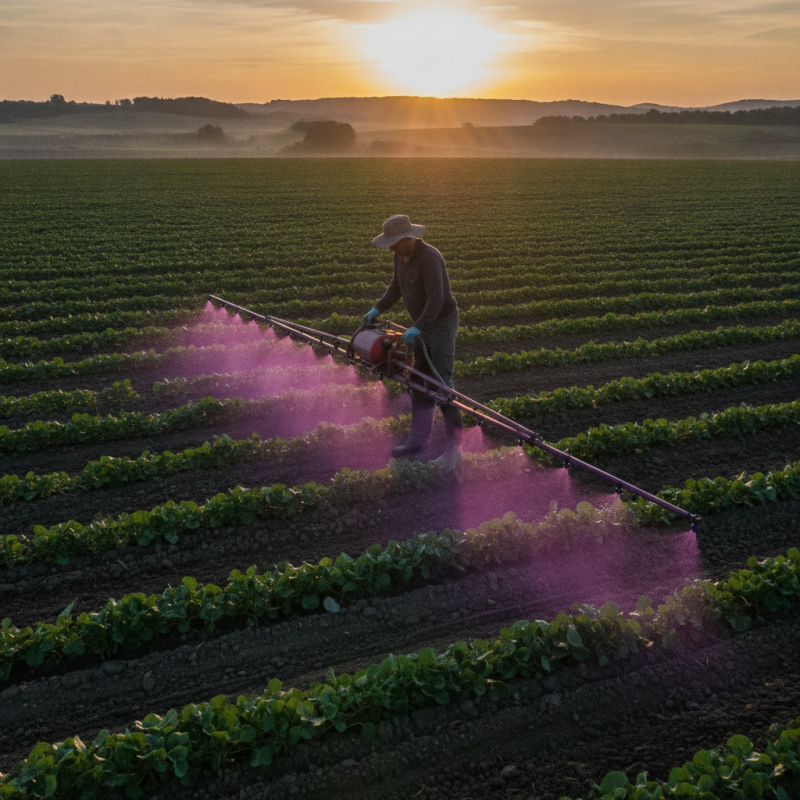
Common Applications of Sunrise Violet Fertilizer Dye in Agriculture
Sunrise Violet Fertilizer Dye has become a popular tool in agriculture. Farmers use it for various purposes. One common application is to enhance fertilizer visibility. This can help in precise application across fields. High visibility can lead to better coverage. However, overuse of the dye might cause unexpected issues, such as reduced soil health.
Another application is in crop identification. Farmers often struggle to distinguish between different crops. By using this dye, they can mark fields more clearly. This can aid not only in harvest but also in maintenance. Yet, a balance is crucial. Over-marking can confuse workers and lead to mistakes.
Using Sunrise Violet also helps with traceability in sustainable farming. It allows easy identification of treated areas. However, there are challenges. Some dyes might have environmental impacts. Proper usage should be considered to avoid contamination. Understanding local regulations can provide guidance. Taking these aspects into account can lead to more effective results.
Choosing the Right Concentration for Optimal Dyeing Results
Choosing the right concentration for dyeing with sunrise violet fertilizer can significantly impact your results. Too little dye can produce a faint or uneven color, while too much can lead to overly intense shades, risking fabric integrity. Achieving the perfect balance requires experimentation. A concentrated solution can saturate the fabric quickly. However, adjusting based on the material is crucial.
Consider starting with a dilution ratio of around 1:10. This provides a good baseline for most fabrics. Keep in mind, some materials absorb dye more readily. Natural fibers like cotton typically yield vibrant results. Synthetic options may require a different approach. Test on scrap pieces to gauge how the fabric responds to your chosen concentration.
Monitor the dyeing time as well. Too brief may not allow full absorption, while excessive duration can muddy colors. Reflect on your previous attempts. Did any choices lead to disappointing outcomes? Learning from experience helps refine your process. Documenting results can aid future dyeing projects. Through careful practice, you can discover the optimal concentration that suits your needs.
Step-by-Step Procedure for Applying Sunrise Violet Fertilizer Dye
When working with Sunrise Violet fertilizer dye, it’s essential to follow a detailed procedure. Start by gathering necessary materials: dye, gloves, and a mixing container. The dye should be safe for plants. Always wear gloves to protect your skin. Prepare a diluted solution according to package instructions. This step is crucial. Too much dye can harm your plants.
Once your solution is ready, test it on a small area first. This trial can prevent unwanted results. Apply the dye evenly on your desired plants using a spray bottle or watering can. Observe how the fertilizer interacts with the soil. Some plants may absorb dye differently. It’s important to monitor the color development over time.
After applying, maintain regular watering. This helps the dye to penetrate the soil fully. Be vigilant for any adverse reactions in your plants. If you see wilting or discoloration, rethink your application method. Reflect on the concentration of the solution too. This practice encourages a better understanding of plant care.
Best Practices for SUNRISE VIOLET FERTILIZER DYEING
| Step Number | Procedure | Materials Needed | Duration |
| 1 | Prepare the workspace. | Gloves, apron, protective eyewear. | 15 min |
| 2 | Measure the fertilizer dye. | Measuring spoons, dye container. | 10 min |
| 3 | Mix dye with water. | Water, stirring rod, mixing bowl. | 5 min |
| 4 | Apply the mixture to the plants. | Sprayer or watering can. | 20 min |
| 5 | Clean the tools used. | Soap, water, cleaning cloth. | 15 min |
Best Practices for Storage and Handling of Fertilizer Dye
Storage and handling of SUNRISE VIOLET FERTILIZER DYE require careful consideration. Improper storage can lead to loss of potency and reduced effectiveness. According to industry reports, the optimal storage temperature is between 50°F and 70°F. Higher temperatures can degrade the dye's quality. Light exposure should also be minimized; darkness prolongs the dye's shelf life.
Ensure that containers are tightly sealed to prevent moisture intrusion. Keeping the dye in its original container is advisable. This provides information and warnings that might be important. Consider using dedicated storage areas, away from extreme environmental conditions. Additionally, maintain proper ventilation to mitigate the risk of chemical buildup.
**Tips:** Regularly inspect containers for damage or leaks. It’s essential to have an organized inventory to manage expiration dates. Always handle dyes in a well-ventilated area to ensure safety. When transferring the dye, use appropriate personal protective equipment, like gloves and masks. These practices enhance safety while ensuring the product remains effective.
Best Practices for SUNRISE VIOLET FERTILIZER DYEING
This chart represents the best practices for the storage and handling of fertilizer dye, specifically focusing on factors such as temperature, humidity, and safe handling procedures to ensure optimal performance and stability of the dye.
Environmental Considerations and Safety Protocols in Dyeing Process
Dyeing with sunrise violet fertilizer brings unique aesthetic appeal but requires careful attention to environmental considerations and safety protocols. The dyeing process can release chemicals that may be harmful if not handled properly. It's essential to inform all workers about the potential risks involved.
Tips: Always wear gloves and masks. This protects you from inhaling harmful particles or getting skin irritations. Regularly check ventilation in your workspace. Good airflow minimizes exposure to fumes.
Disposing of dye waste can be tricky. Many dyes are biodegradable, but not all are safe for the environment. Double-check local regulations about chemical disposal. It’s a good practice to test small amounts before large batches. This ensures the dye does not affect the surrounding ecosystem.
Tips: Use absorbent materials to control spills. This reduces the impact on the environment. Consider using eco-friendly cleaning solutions for your workspace. They effectively clean without compromising environmental integrity. Remember, every choice you make matters for a safer dyeing process.