Best Panty Liners for Everyday Use in 2026 Are They Worth It?
In the evolving landscape of personal care, finding the "Best Panty Liners For Everyday Use" can be overwhelming. Renowned expert Dr. Emily Carter, a leading gynecologist, emphasizes the importance of comfort and reliability. She once stated, “Choosing the right panty liner can significantly enhance daily hygiene and confidence.”
As we navigate through 2026, numerous options flood the market. Each product claims to be superior, yet many fall short of expectations. With a plethora of materials and designs, discerning quality is crucial. Factors like breathability and absorbency play vital roles in everyday comfort.
However, even the best options may not suit everyone. Consumers often find themselves experiencing irritation or leaks. Reflecting on personal needs is essential. The quest for the perfect liner requires patience and experimentation. Remember, the “Best Panty Liners For Everyday Use” are not just about marketing claims; they are about real-life experiences and individual preferences.
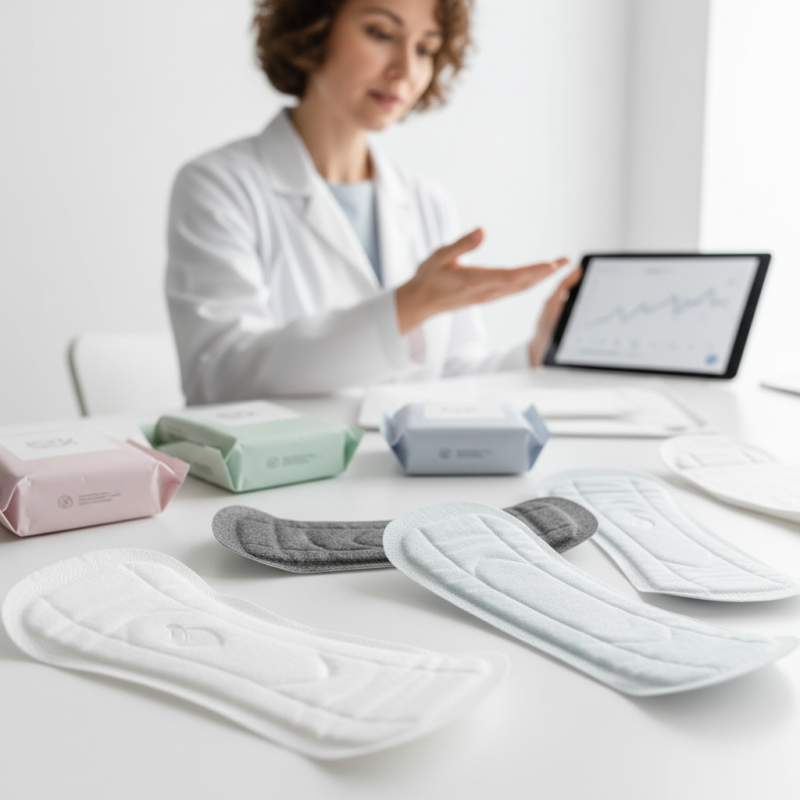
Best Panty Liners: Understanding Their Purpose and Benefits
Panty liners serve a vital purpose in daily hygiene. They offer a layer of protection against unexpected leaks. Studies show that over 60% of women use panty liners regularly. This statistic highlights their importance in everyday life. They can help maintain freshness and comfort throughout the day. Many women appreciate the peace of mind they provide during lighter flow days or as a backup for menstrual products.
The benefits of using panty liners extend beyond just comfort. Research from the Women’s Health Foundation indicates that 75% of women find them useful for managing light discharge or spotting. However, not all liners are created equal. Some contain fragrances, which can cause irritation for sensitive users. It’s essential to choose products that prioritize breathability and skin-friendliness. Relying on high-quality materials can mitigate discomfort and potential allergic reactions.
Despite their utility, some might question their sustainability. Disposable panty liners contribute to environmental waste. Conscious consumers may feel torn between hygiene and environmental impact. Exploring alternatives like reusable liners could provide a sustainable solution. Women are encouraged to weigh their options carefully.
Best Panty Liners for Everyday Use in 2026 | Features | Material | Absorbency Level | Skin Sensitivity | Eco-Friendliness | Price (per pack) |
| Thin & Discreet | Cotton | Light | Hypoallergenic | Biodegradable | $5.99 |
| Extra Absorbent | Organic Cotton | Moderate | Gentle | Recyclable | $7.49 |
| Odor Control | Cotton Blend | Light to Moderate | Dermatologically Tested | Not Eco-Friendly | $4.99 |
| Flexible Fit | Synthetic | Light | Standard | Not Eco-Friendly | $3.99 |
| Ultra Thin | Cotton & Plastic | Light | No Sensitivity Reported | Partially Biodegradable | $6.49 |
Key Features to Look for in Panty Liners for Daily Use
When selecting panty liners for daily use, there are several key features to consider. Comfort should be a top priority. Look for materials that are soft and hypoallergenic. Cotton liners often provide a breathable option, minimizing irritation. A good form-fitting design can enhance comfort and prevent shifting.
Absorbency is crucial for everyday use. Some panty liners offer varying levels of absorbency for lighter days. A thin yet effective liner can provide just the right protection. Consider a product with a moisture-wicking layer. This feature keeps you feeling fresh throughout the day.
Don’t overlook the environmental aspect. Biodegradable options are becoming more popular. They may help reduce waste. It's important to reflect on your choices. Are you prioritizing comfort, absorbency, and sustainability equally? Each feature plays a role in your overall experience. Make sure to evaluate your needs carefully.
Comparing Types of Panty Liners: Materials and Absorbency Levels
Understanding the different types of panty liners is essential for personal hygiene. Materials play a crucial role in comfort and absorbency. Most liners come in three primary materials: cotton, synthetic, and bamboo. A study from the Journal of Women's Health highlights that over 70% of women prefer cotton-based products for their natural breathability.
Absorbency levels vary significantly across products. Many women gravitate towards liners designed for light flow or daily discharge. According to a report by the National Health Institute, about 60% of women use panty liners regularly. These liners typically absorb up to 5 milliliters of fluid. In contrast, heavier liners can handle more and are beneficial during menstruation.
Another aspect to consider is the environmental impact. Biodegradable liners made from bamboo or organic cotton are becoming increasingly popular. Reports show that many users are unaware of the long-term accumulation of non-biodegradable products. Reflecting on choices reveals the need for more sustainable options, highlighting a gap in awareness. As preferences shift, education on materials and their effects on health and the environment remains vital.
Top Recommended Brands and Products for Everyday Panty Liners
Choosing the right panty liner can be more challenging than it seems. There are various options available, each promising comfort and protection. Some liners boast ultra-thin designs for discreet wear, while others offer extra absorbency. The best choice often depends on personal preference, daily activities, and body types.
Many users look for features like hypoallergenic materials or organic components. These can provide peace of mind for those with sensitive skin. Others appreciate odor-neutralizing technology. It’s crucial to remember, however, that not all products cater to every individual. Some may find irritation or discomfort even with reputable brands. Listening to your body is key.
Several brands have gained recognition for their reliable panty liners. Others, however, may not deliver as expected. Research shows that user experiences can vary greatly. Feedback and reviews are essential when selecting products, as they bring real-life experiences into consideration. Engaging with the community can also lead to discovering options that suit your unique needs.
Are Everyday Panty Liners Environmentally Friendly? A Sustainability Review
When considering everyday panty liners, their environmental impact is a crucial factor. The menstrual products industry generates significant waste each year. A report from the National Women’s Health Network indicates that over 20 billion menstrual products end up in landfills annually. This number includes panty liners, which are often made from plastic-based materials.
Many panty liners are not biodegradable. They can take hundreds of years to decompose. As consumers become more eco-conscious, the demand for sustainable options is growing. Reports show that over 60% of women seek environmentally friendly products. They desire choices that align with their values without sacrificing comfort or effectiveness.
Some brands are creating organic cotton liners, which are more biodegradable than their traditional counterparts. However, these often come with a higher price tag. It leads to a dilemma for many consumers: are these products worth the extra cost? On one hand, choosing sustainable liners can minimize environmental harm. On the other, affordability remains a pressing concern. Understanding the trade-offs is essential in making informed choices about daily hygiene products.
Best Panty Liners for Everyday Use in 2026 - A Sustainability Review