Best Packaging Box Solutions for Global Buyers in 2026?
In the ever-evolving world of e-commerce, the demand for high-quality Packaging Boxes has surged. Global buyers are now more discerning than ever. They seek innovative solutions that balance aesthetics and functionality. Leading experts in the industry, such as Mark Thompson, emphasize the importance of sustainable packaging. He once stated, “Effective Packaging Box solutions not only protect products but also enhance brand identity.”
As we look ahead to 2026, the Packaging Box industry faces both challenges and opportunities. Traditional materials are giving way to sustainable alternatives, reflecting a growing commitment to the environment. However, this transition is not without its difficulties. Many companies struggle to find the right balance between cost and sustainability.
Furthermore, consumer expectations are rising. Buyers want Packaging Boxes that are not only functional but also visually appealing. Brands must adapt quickly to these dynamics. Failure to do so may lead to lost sales and damaged reputations. The future will require creativity and strategic thinking in packaging solutions to meet these global demands.
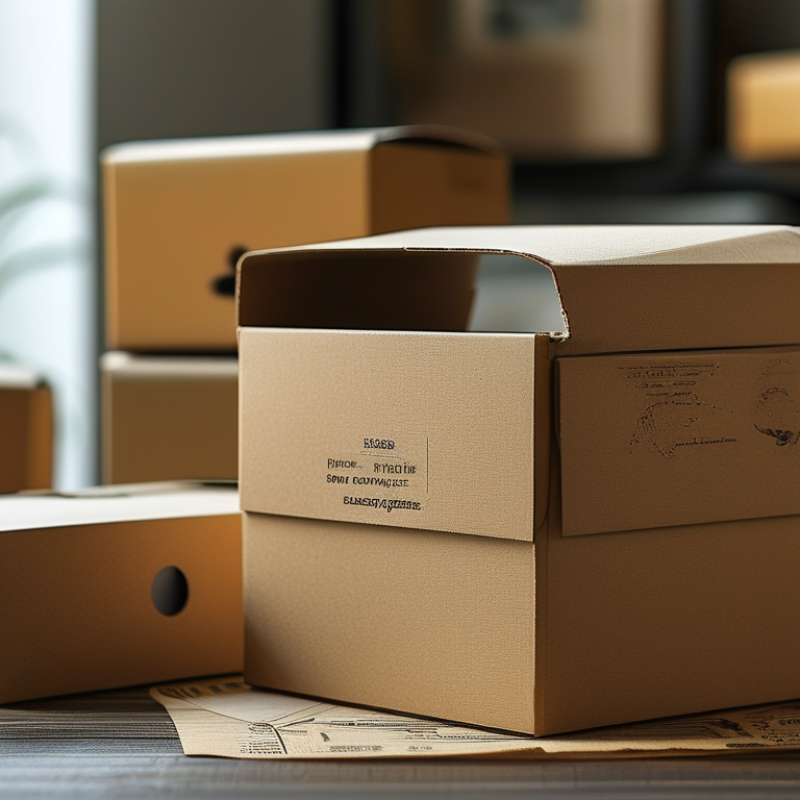
Best Packaging Materials for Environmental Sustainability in 2026
As the world shifts towards more sustainable practices, packaging materials in 2026 must reflect this trend. A report from the Global Packaging Alliance indicates that 75% of consumers are concerned about the environmental impact of packaging. This is compelling manufacturers to explore eco-friendly materials, like biodegradable plastics and recycled paper.
Biodegradable options break down faster in landfills, reducing long-term waste. However, their performance compared to traditional materials may still need improvement. Additionally, recycled paper products can have a lower carbon footprint but can be more expensive to produce. Balancing cost and sustainability is a challenge that many brands face.
Furthermore, the demand for transparency is growing. Consumers want to know where their packaging comes from and how it is made. Brands that offer clear, honest sourcing information may gain trust, but ensuring full production transparency is complex. The quest for environmentally sustainable packaging continues, calling for ongoing innovation and consideration of various factors.
Innovative Designs in Packaging Boxes for Global Markets
The world of packaging is evolving rapidly. Innovative designs play a key role in attracting consumers. In 2026, packaging will focus on sustainability and functionality. Eco-friendly materials will dominate, appealing to the growing environmentally conscious market. Brands need to think creatively about how their packaging can stand out.
Unique shapes and structural designs can create memorable unboxing experiences. Brands that innovate will likely capture more attention. However, experimenting with shapes may lead to costly production challenges. Achieving the right balance between aesthetics and functionality requires careful consideration.
Graphic designs will also reflect global trends. Custom illustrations and bold colors can convey messages effectively. Yet, staying relevant can be risky. Trends change quickly, and what works today may soon feel outdated. Brands should be ready to adapt their designs to evolving consumer preferences. Engaging with customers for feedback is essential for refinement.
Key Trends in Packaging Technology for Enhanced User Experience
In 2026, packaging technology will focus on user experience. Customization will play a crucial role. Buyers today want unique designs that reflect their brand. They desire boxes that stand out on shelves and online. Advanced printing techniques will allow for vibrant colors and intricate designs. This attracts customers and enhances brand loyalty.
Sustainability will also be a major trend. Eco-friendly materials will replace traditional plastics. Companies will explore biodegradable options and recyclable materials. However, the challenge remains. Not all sustainable options are cost-effective. Finding the right balance between cost and sustainability is essential.
Moreover, smart packaging is emerging. Sensors and QR codes will provide additional information to consumers. This technology can enhance the unboxing experience. Yet, reliance on technology can be problematic. Not all consumers are tech-savvy. Some may find complicated features frustrating. Brands must consider this when designing packaging solutions.
Cost-Effective Packaging Solutions for International Shipping
In 2026, global shipping demands creativity in packaging solutions. Cost-effective options will become essential for international buyers looking to minimize expenses. Traditional boxes often fail to meet the unique needs of diverse products. Innovating packaging design can significantly reduce costs while enhancing protection during transit.
Sustainable materials should be prioritized. Eco-friendly packaging can attract cost-conscious consumers who value environmental responsibility. Moreover, thoughtful designs that improve shipping efficiency can lead to substantial savings. For example, using flat-pack solutions can reduce shipping volume, cutting freight costs.
Mistakes in packaging choices can be costly. Over-engineered boxes may lead to wasted resources and higher shipping fees. Retailers must balance quality with affordability. Exploring unconventional materials, such as biodegradable plastics, could provide an edge but requires careful testing. The quest for the best packaging solution is ever-evolving and requires ongoing reflection and adaptation.
Future Challenges in the Packaging Industry for Global Buyers
The packaging industry faces significant challenges as it moves into 2026. Global buyers demand sustainable solutions, yet many materials still rely on non-recyclable options. Companies need to address the environmental concerns raised by consumers. Switching to biodegradable materials is an option, but it often comes with higher costs and varying quality.
Another challenge lies in meeting diverse regulatory standards worldwide. Different regions have specific requirements that affect packaging design and production. This complexity can lead to higher costs and delays, ultimately impacting supply chains. Buyers must navigate these regulations carefully.
Innovation is vital. Emerging technologies can streamline production and reduce waste. However, implementing new systems requires investment and training. Many companies struggle to balance short-term costs with long-term benefits. The need for collaboration among buyers, designers, and manufacturers is clear. It’s about creating solutions that align with sustainability goals. These hurdles encourage ongoing reflection and adaptation in the industry.
Best Packaging Box Solutions for Global Buyers in 2026