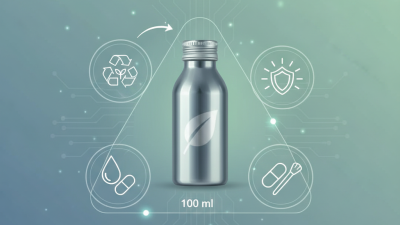
10 Best Aerosol Packaging Solutions for Eco-Friendly Products in 2023
As the world increasingly prioritizes sustainability, the aerosol packaging industry is evolving to meet eco-friendly demands. In 2023, various innovative solutions have emerged, allowing brands to adopt more sustainable practices while ensuring product integrity. According to industry expert Dr. Emily Lancaster, "Aerosol packaging has the potential to lead the way in sustainable design, combining convenience with eco-consciousness." This statement reflects the growing acknowledgment among consumers and manufacturers alike that the future of packaging must align with environmental responsibility.
The quest for sustainability in aerosol packaging encompasses a range of strategies, from using recyclable materials to implementing advanced production methods that reduce carbon footprints. As companies strive to enhance their green credentials, the spotlight is on the latest technological advancements that facilitate the transition toward greener aerosol options. In this article, we will explore the 10 best aerosol packaging solutions that embody the principles of eco-friendliness and innovation, showcasing how they serve both manufacturers and consumers in a world that demands sustainability.
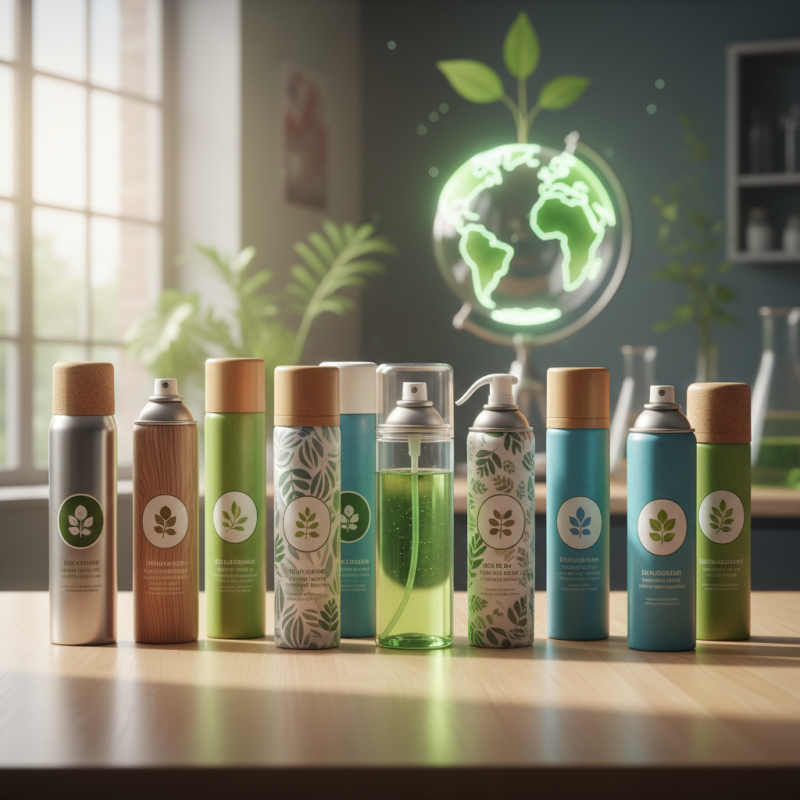
Emerging Trends in Eco-Friendly Aerosol Packaging Solutions
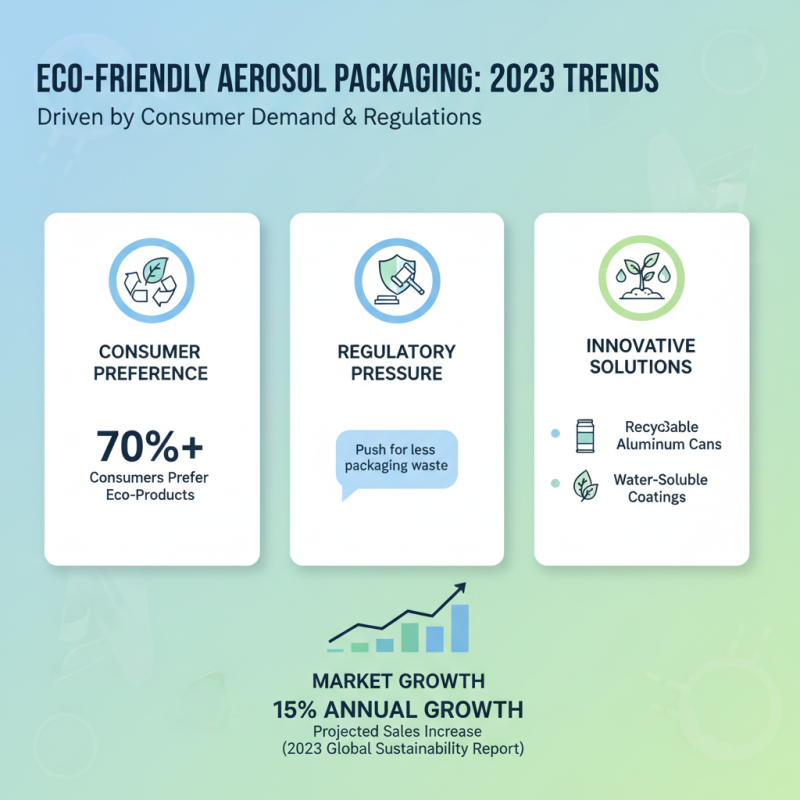
The shift towards eco-friendly aerosol packaging has gained momentum in 2023, influenced by consumer demand for sustainable practices and regulatory pressures on packaging waste. Recent studies indicate that over 70% of consumers prefer eco-conscious products, which is pushing manufacturers to adopt greener alternatives. Innovations such as recyclable aluminum cans, plant-based propellants, and water-soluble coatings are emerging as viable solutions. According to the "2023 Global Sustainability Report," the sales of eco-friendly aerosol products are projected to grow by 15% annually, highlighting the increasing market demand for sustainable packaging.
Incorporating eco-friendly practices into aerosol packaging not only meets consumer expectations but also enhances brand loyalty. Brands that prioritize sustainability often see a boost in customer retention rates, with a notable 60% of consumers willing to pay more for products that are environmentally friendly. In line with these trends, companies are investing in R&D to create biodegradable and refillable aerosol options.
Tips for brands looking to adopt eco-friendly aerosol packaging include collaborating with recycling partners to ensure proper waste management, educating consumers on the benefits of sustainable products, and exploring innovative materials that reduce the environmental impact. Staying ahead of trends not only helps in compliance but also positions brands as leaders in sustainability, thereby attracting a dedicated customer base eager to support environmentally responsible choices.
Materials Used in Sustainable Aerosol Packaging Design
The growing demand for eco-friendly products has catalyzed innovations in aerosol packaging design, emphasizing sustainable materials. According to a report by Smithers, the global market for sustainable packaging is projected to reach $650 billion by 2027, with a significant portion dedicated to aerosols. Manufacturers are increasingly opting for materials such as recycled aluminum, which not only reduces the carbon footprint but also enhances recyclability—an important factor for consumers prioritizing sustainability. In fact, recycled aluminum requires 95% less energy to produce compared to new aluminum, making it a worthwhile investment for both the environment and manufacturers.
In addition to metal, plant-based polymers have emerged as viable alternatives in aerosol packaging. Research indicates that bioplastics derived from renewable sources can significantly decrease greenhouse gas emissions. A study by the European Bioplastics Association notes that global bioplastics production capacity is expected to reach 2.4 million tons by 2025, which will provide manufacturers with more options for eco-friendly packaging. Moreover, the use of innovative sustainable coatings can enhance shelf life and maintain product integrity without compromising environmental goals, showcasing how design advances are synergizing with sustainability. This shift not only aligns with consumer demand but also supports regulatory goals aimed at reducing plastic waste and promoting circular economies.
Top 10 Eco-Conscious Brands Utilizing Aerosol Technology
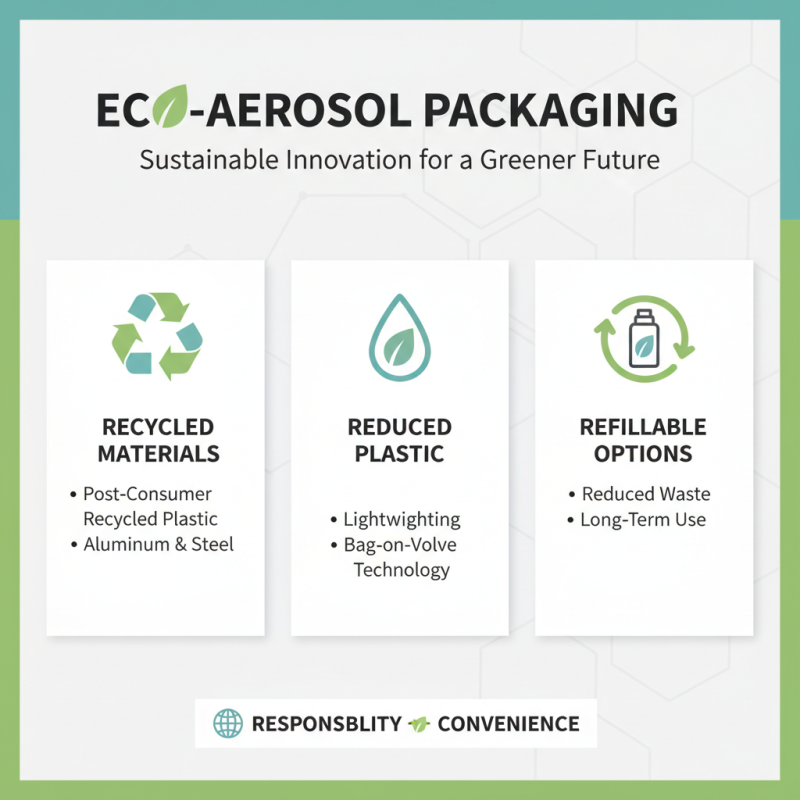
In the realm of eco-conscious packaging, aerosol technology has evolved significantly, enabling brands to deliver products efficiently while minimizing their environmental impact. Several brands have harnessed this innovative approach, creating packaging solutions that are not only functional but also align with sustainability goals. These companies are increasingly focusing on utilizing recycled materials, reducing plastic use, and innovating refillable options, demonstrating that responsibility can go hand-in-hand with convenience.
The trend towards eco-friendly aerosol packaging reflects a broader commitment to sustainability within the industry. By embracing advanced technologies such as plant-based propellants and eco-friendly coatings, these brands are leading the way in reducing carbon footprints. Additionally, many are investing in production processes that prioritize energy efficiency and waste reduction. As consumer awareness about environmental issues continues to rise, these eco-conscious brands are setting themselves apart by promoting their commitment to sustainable practices while providing effective aerosol solutions.
Benefits of Choosing Eco-Friendly Aerosol Packaging
The choice of eco-friendly aerosol packaging has become increasingly significant in today’s environmentally conscious market. One of the primary benefits is the reduction in carbon footprint. Traditional aerosol products often utilize materials that are not biodegradable and can contribute to pollution. In contrast, eco-friendly materials such as recycled aluminum or plant-based plastics are designed to minimize environmental impact. By opting for these sustainable alternatives, companies can effectively showcase their commitment to ecological responsibility while attracting a growing demographic of environmentally-aware consumers.
Moreover, eco-friendly aerosol packaging often enhances a brand's image. In an era where consumers actively seek products that align with their values, packaging can play a crucial role in influencing purchasing decisions. Brands that prioritize sustainability are more likely to foster customer loyalty and trust, as consumers appreciate transparency and dedication to environmental stewardship. Additionally, eco-friendly solutions often involve advances in technology that improve product delivery and performance, ensuring that sustainability does not come at the cost of efficacy. Thus, choosing eco-friendly aerosol packaging is not just a trend, but a strategic move that enhances brand reputation while contributing positively to the planet.
Challenges in Implementing Sustainable Aerosol Solutions
The movement toward eco-friendly aerosol packaging is gaining momentum, but several challenges remain in its implementation. According to a 2022 report by Smithers, the global market for sustainable aerosol solutions is projected to grow significantly, driven by increasing consumer demand for environmentally responsible products. However, manufacturers face hurdles such as the high costs associated with developing recyclable materials and the complexities of modifying existing production lines to accommodate these new materials.
One of the most pressing challenges in adopting sustainable aerosol solutions is ensuring product integrity while using eco-friendly components. Many traditional aerosol products utilize propellants and materials that are not easily recyclable or biodegradable. Transitioning to alternatives, such as plant-based propellants, requires extensive testing to maintain product performance and safety.
Additionally, the lack of established recycling infrastructure for these new materials can deter companies from investing in sustainable aerosol solutions, despite the potential long-term benefits. According to the International Packaging Association, approximately 60% of consumers now expect brands to adopt environmentally friendly packaging practices, emphasizing the urgent need for innovation in the aerosol sector.