

One Llodio Drive, Hermitage, PA USA 16148

10 Best Aerosol Packaging Companies for Global Buyers
Aerosol packaging is more than a metal can, a valve, and a printed label. Each part must work together to protect the product, deliver a consistent spray, and withstand storage and transport. A valve that performs poorly with a particular formula can create problems on the production line. Small details matter.
For global buyers, choosing among aerosol packaging companies means comparing more than price. Production capacity, material options, quality controls, technical support, and experience serving export markets all deserve attention. Buyers should also ask how suppliers handle testing, documentation, and communication across time zones. A polished catalog is useful, but it cannot prove that a supplier is the right fit. That takes careful checking.
This guide reviews 10 companies that serve different needs, from high-volume production to specialized packaging formats. It offers a starting point, not a universal ranking: the best match depends on the product, order size, target market, and service expectations. Company capabilities can change, too, so buyers should confirm current specifications and certifications directly with each supplier. A little extra diligence may feel slow. It is often worthwhile.
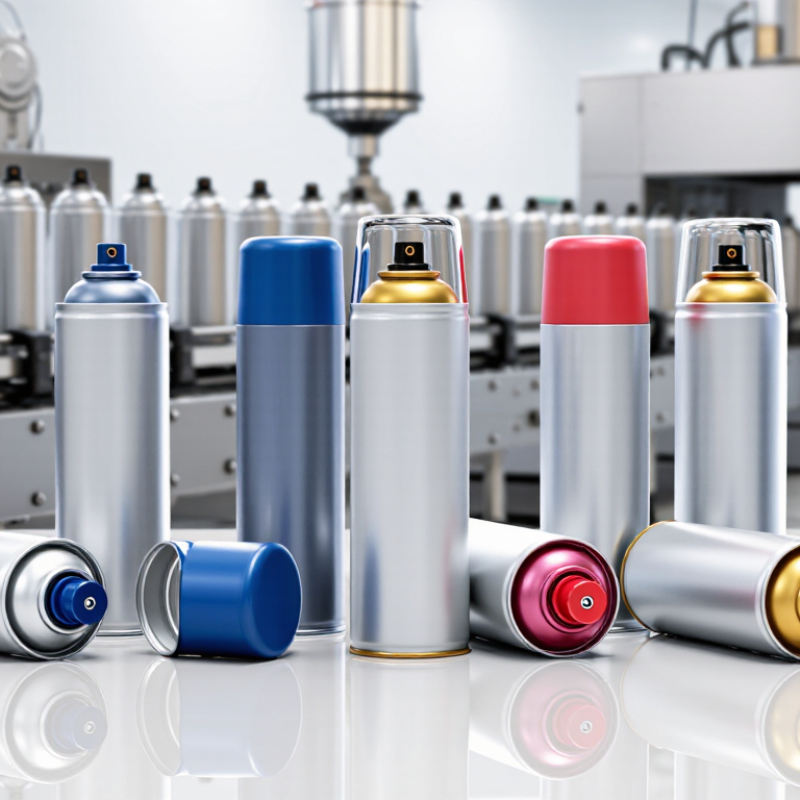
How Aerosol Packaging Companies Serve Global Markets
Global aerosol packaging companies serve buyers across regions with more than cans and filling capacity. They coordinate container sizes, valve systems, coatings, and production schedules around each product’s needs. A thick lotion may require a different actuator from a fine household spray. Details matter. Packaging teams can also help buyers assess sample performance before committing to a large production run.
For international orders, reliable communication is as important as factory output. Teams may need to align artwork files, language versions, shipping cartons, and delivery windows across several time zones. They should also help buyers confirm that labels and packaging meet applicable requirements in each destination market. Local rules can change, so qualified regional review remains important. One overlooked label detail can delay a shipment.
Global suppliers often support customers through samples, production checks, and practical troubleshooting. A buyer might test spray consistency, inspect seam quality, or compare how cartons hold up during transit. These checks make decisions more concrete. Still, not every plan works perfectly on the first attempt. Even a carefully prepared launch may reveal a local preference for a different can size or spray pattern, so flexible specifications can be useful. That takes coordination. Companies that share clear timelines, test results, and realistic limits make cross-border projects easier to manage.
10 Best Aerosol Packaging Companies for Global Buyers - How Aerosol Packaging Companies Serve Global Markets
| No. | Capability to Assess | Global-Market Service | Evidence Buyers Can Request | Relevant Requirement or Check |
|---|---|---|---|---|
| 1 | Regional regulatory support | Helps customers identify applicable aerosol, product-labeling, and transport rules for each destination market. | Market-specific compliance checklist, product classification rationale, and records showing who reviewed the requirements. | Requirements vary by product and destination. In the EU, aerosol dispensers are covered by Directive 75/324/EEC, as amended. |
| 2 | Dangerous-goods transport readiness | Supports shipment planning for aerosol products by road, sea, or air, subject to product classification and applicable exceptions. | Transport classification information, packaging documentation, and evidence that shipping staff follow current carrier and regulatory rules. | Check the applicable rules, including ADR for relevant European road transport, the IMDG Code for sea transport, and ICAO Technical Instructions for air transport. |
| 3 | Can and component compatibility | Matches containers, valves, actuators, and seals to the formulation, dispensing pattern, and intended use. | Compatibility-test plan, component specifications, and documented results using the actual formulation or a justified representative sample. | Confirm material compatibility, corrosion risk, seal performance, and dispensing behavior over the intended product life. |
| 4 | Pressure and leak testing | Verifies that filled aerosol dispensers meet relevant pressure-resistance and leak-tightness requirements. | Test methods, equipment calibration records, batch results, and procedures for handling failures. | For EU-market products, verify conformity with the applicable provisions of Directive 75/324/EEC and its amendments. |
| 5 | Filling-line quality control | Controls filling operations, component feeding, crimping, propellant charging, and finished-pack inspection. | Process-control records, in-process inspection criteria, traceability procedures, and corrective-action records. | Ask how fill quantity, crimp dimensions, valve function, and batch identity are monitored and recorded. |
| 6 | Label and artwork coordination | Coordinates packaging artwork and language versions for the markets where the product will be sold. | Artwork approval workflow, version-control records, and checks for required warnings, instructions, and local-language content. | Label requirements depend on product type and jurisdiction; review the final label against the rules for each destination market. |
| 7 | Packaging-format flexibility | Offers suitable container sizes, valve options, actuators, and secondary-pack formats for different sales channels. | Technical drawings, component specifications, sample packs, and confirmation that proposed formats suit the product and filling process. | Check container dimensions, material, closure system, dispensing needs, and compatibility with the intended distribution channel. |
| 8 | Export documentation support | Provides production and shipment information that helps customers coordinate international orders and logistics. | Document list agreed before production, batch and packing records, and a defined process for issuing shipment documents. | Confirm document requirements with the importer, customs broker, carrier, and destination-country authorities. |
| 9 | Quality-management systems | Uses documented quality processes to support consistent production, traceability, and corrective action. | Current certificate scope, audit information, quality procedures, and examples of batch traceability. | ISO 9001 specifies requirements for a quality management system; certification alone does not establish that a particular aerosol product is compliant. |
| 10 | Environmental and material information | Supplies relevant information about packaging materials and supports customer requests for environmental reporting. | Material declarations, available recyclability information, and the scope of any environmental-management certification. | ISO 14001 concerns environmental management systems. Check local collection and recycling rules for the specific container materials and market. |
This table is a buyer’s checklist of ten global-service capabilities, not a ranked list of named companies. Verify current legal requirements and product-specific compliance with qualified regulatory professionals.
Related Posts
-
Top 10 Types of Aerosol Packaging Companies for Global Buyers
-

What is the Role of Aerosol Filling Companies in Packaging Industry?
-

10 Best Aerosol Packaging Solutions for Eco-Friendly Products in 2023
-

Top 10 Aerosol Manufacturers You Should Know About in 2023
-

Top Aerosol Filling Companies: How to Choose the Best Service Provider
-
How to Find Top Aerosol Can Manufacturers in USA?