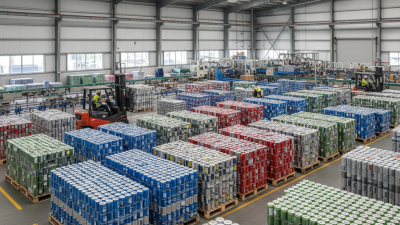
As the world increasingly prioritizes sustainability, the spotlight on eco-friendly packaging solutions has never been brighter. Among these solutions, aluminum bottles have surged in popularity, not merely as a trend but as a viable long-term choice for both consumers and businesses. According to a recent report by the Aluminum Association, the global market for aluminum bottles is projected to reach $2.56 billion by 2025, driven by their recyclability and lightweight nature. This remarkable growth highlights the shift in consumer preferences towards more sustainable and responsible packaging options.
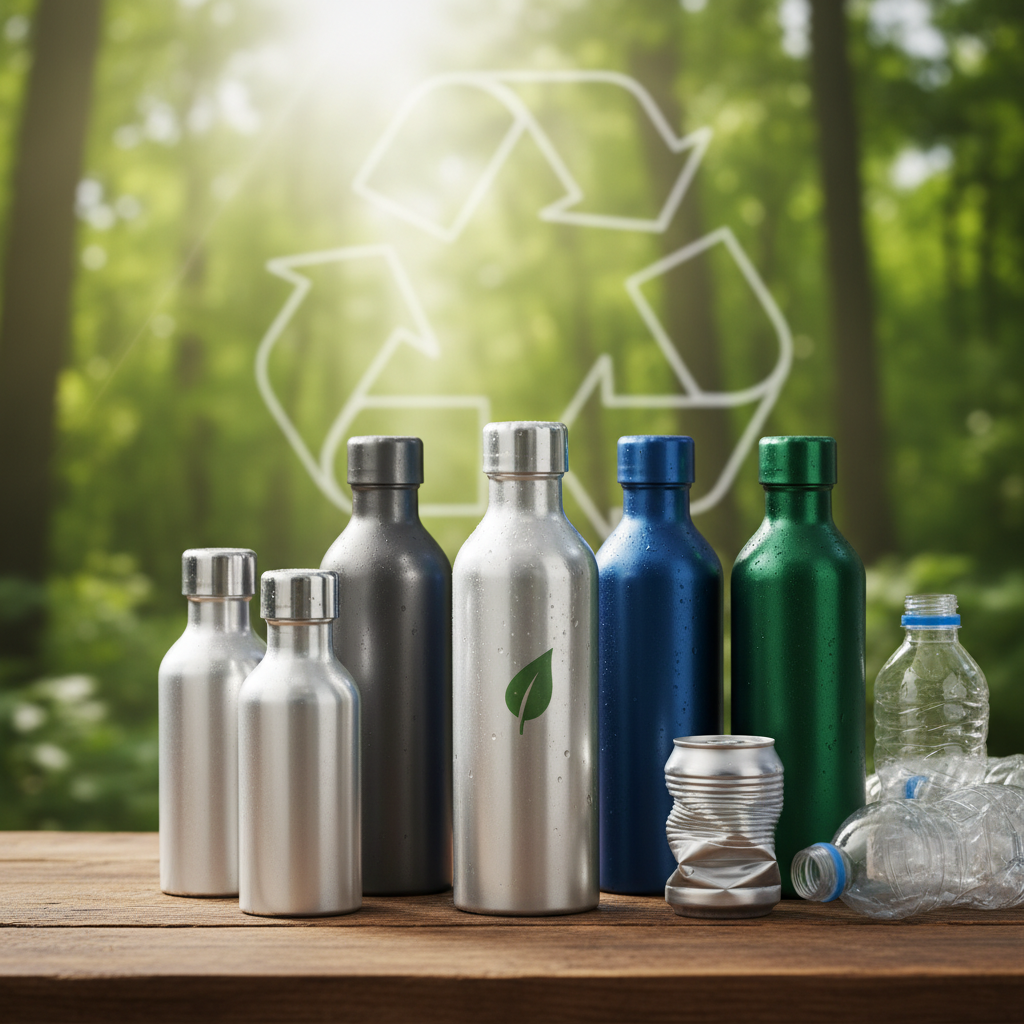
Industry expert Dr. Emily Chen, a leading environmental consultant at EcoPack Solutions, emphasizes the benefits of aluminum bottles: “Aluminum is not only infinitely recyclable, but it also reduces carbon emissions significantly compared to plastic. Making the switch to aluminum bottles can substantially cut a brand's environmental footprint.” The top benefits that aluminum bottles offer, such as reduced weight for transport and enhanced product preservation, are crucial for businesses aiming to align their operations with ecological stewardship. As we explore the top 10 benefits of using aluminum bottles, it becomes clear that they represent an eco-friendly choice for 2023 and beyond, setting a precedent for responsible consumption in a world striving for sustainability.
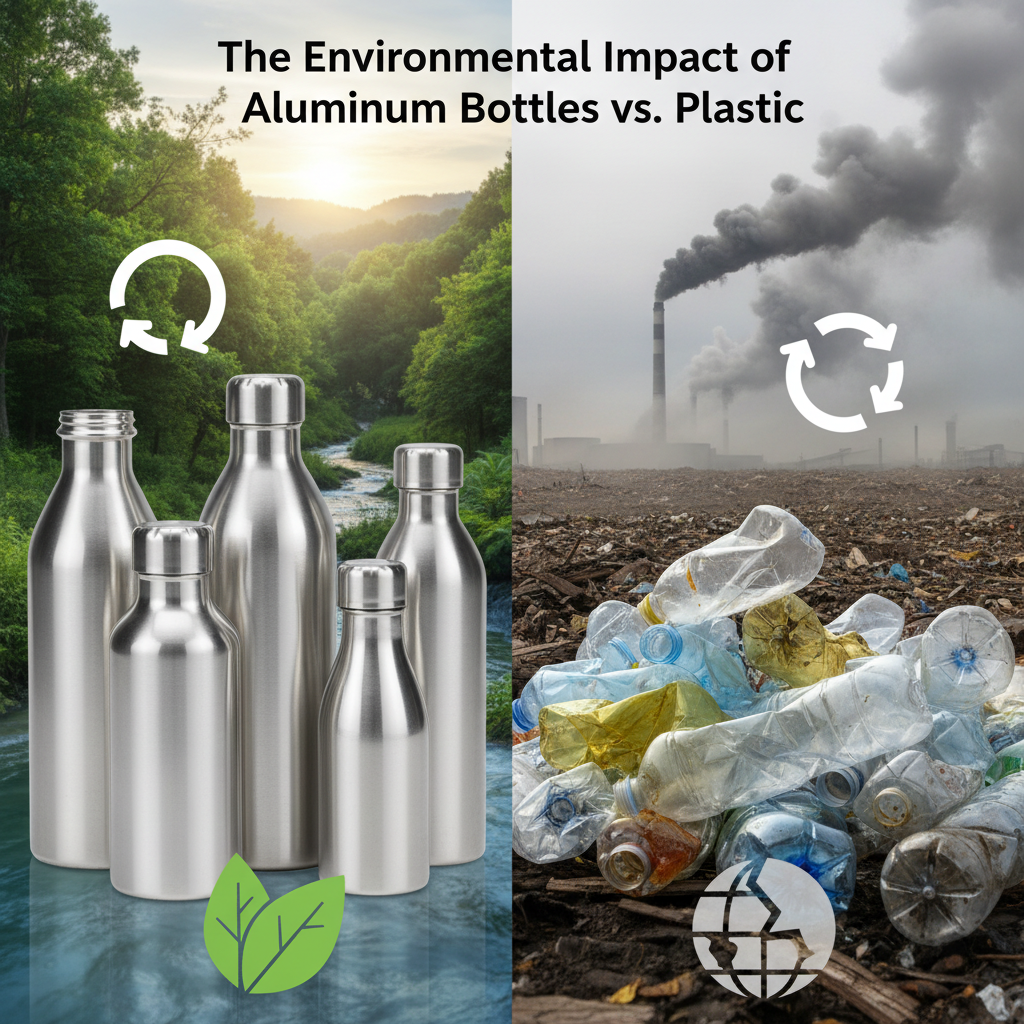
The environmental impact of aluminum bottles compared to plastic is significant and increasingly crucial for consumers making eco-friendly choices.
According to a report from the Aluminum Association, aluminum is infinitely recyclable without losing quality, and recycling can save up to 95% of the energy required to produce new aluminum.
In stark contrast, only 9% of plastic waste is ever recycled, as highlighted by a study from the
National Geographic Society.
This means that aluminum bottles not only contribute to reduced landfill waste but also help minimize the carbon footprint associated with production.
Furthermore, the production of aluminum bottles releases fewer greenhouse gases compared to traditional plastic bottles.
The World Economic Forum reports that switching from plastic to aluminum could cut ocean plastic pollution substantially,
with bottles representing a significant portion of this waste. By choosing aluminum, consumers can play a pivotal role in promoting
sustainability, supporting a circular economy, and safeguarding marine life from the devastating effects of plastic pollution.
As the demand for eco-friendly products grows, the shift towards aluminum bottles presents a practical solution for
environmentally conscious consumers in 2023.

Aluminum bottles have gained popularity in recent years, primarily due to their exceptional durability and reusability. Unlike plastic bottles that can break or degrade over time, aluminum bottles are designed to withstand rough handling and extreme temperatures. This makes them an ideal choice for outdoor enthusiasts and athletes who require reliable hydration solutions on the go. The robust construction of aluminum ensures that the bottles can endure wear and tear, providing long-lasting value while reducing the need for frequent replacements.
Moreover, the reusability of aluminum bottles significantly contributes to environmental sustainability. By choosing to refill an aluminum bottle rather than purchasing single-use plastic ones, consumers actively participate in reducing plastic waste, which is a major contributor to environmental pollution. Unlike plastic, aluminum is highly recyclable, further supporting a circular economy. The commitment to using reusable aluminum bottles not only promotes personal health, as many aluminum products are free from harmful chemicals like BPA, but it also fosters a culture of eco-consciousness and responsibility among individuals.
When it comes to beverage storage, aluminum bottles present numerous health advantages that make them a popular choice for eco-conscious consumers in 2023. One of the primary benefits is that aluminum does not leach harmful chemicals into the beverages, unlike some plastic containers that can release toxins over time. This makes aluminum bottles a safer option for storing water, juices, and other drinks, ensuring a purer taste and greater peace of mind.
Additionally, aluminum is lightweight and strong, offering a durable alternative that protects the contents from contamination. This attribute is particularly beneficial for outdoor activities, where glass bottles may break, posing safety hazards. Tips for maximizing the health benefits of aluminum bottles include regularly cleaning them with mild soap to eliminate any residue and choosing bottles lined with food-safe coatings to further ensure that no unwanted substances interact with your beverages.
Moreover, aluminum bottles are easily recyclable, providing an eco-friendly choice that aligns with sustainable living. When selecting an aluminum bottle, look for those made from recycled materials, which can help reduce your carbon footprint. Keeping your drink cold is also a breeze with insulated aluminum options, making sure you stay hydrated while enjoying the health benefits of this versatile material.
Aluminum bottles present significant economic benefits, making them an attractive choice for consumers and businesses alike in 2023. One of the key aspects is their cost-effectiveness compared to traditional plastic containers. As the global food packaging industry grapples with environmental challenges, the shift toward aluminum not only reduces the carbon footprint but also aligns with sustainability goals. By investing in aluminum, companies can capitalize on a more sustainable model that appeals to eco-conscious consumers while potentially lowering long-term costs associated with waste management and recycling.
Moreover, the economic impact of aluminum recycling extends beyond just the price of raw materials. It creates job opportunities and strengthens supply chains within local economies. As highlighted in recent studies, the adoption of reusable beverage systems points towards a growing trend in sustainable practices that leverage the efficiency of aluminum containers. These systems not only cut down on reliance on single-use plastics but also enhance brand image and customer loyalty among consumers who prioritize environmental responsibility. As tariffs on aluminum increase, the importance of investing in sustainable and cost-effective packaging solutions will become even more pronounced, presenting a strategic imperative for businesses to adapt in a competitive market.
| Benefit | Description | Environmental Impact | Cost-Effectiveness |
|---|---|---|---|
| Recyclability | Aluminum bottles can be recycled infinitely without loss of quality. | Reduces landfill waste and conserves resources. | Cost savings on raw materials through recycling processes. |
| Lightweight | Aluminum bottles are lighter than glass or plastic, making them easier to carry. | Lower energy consumption during transport. | Reduced shipping costs due to lighter weight. |
| Durability | Aluminum bottles are resistant to breaking and leaking. | Longer lifespan reduces replacement frequency. | Long-term savings on replacement costs. |
| BPA-Free | Aluminum bottles are free of bisphenol A (BPA), a harmful chemical found in some plastics. | Safer for health and the environment. | Reduces health-related costs associated with chemical exposure. |
| Customization | Aluminum bottles can be easily customized for branding and design. | Encourages consumer recognition and loyalty. | Potential for increased sales through attractive designs. |
| Insulation | Aluminum bottles can be designed with insulation layers for temperature retention. | Helps reduce energy consumption for cooling drinks. | Less need for refrigeration lowers energy bills. |
| Taste Preservation | Aluminum does not alter the taste of beverages. | Provides a better drinking experience, reducing waste from discarded products. | Promotes consumer satisfaction leading to repeat purchases. |
| Energy Efficiency | Production of aluminum is becoming more energy-efficient with new technologies. | Lowers carbon footprint associated with production. | Long-term cost reductions in energy pricing for manufacturers. |
| Market Demand | Growing consumer preference for sustainable packaging options. | Encourages companies to adopt green practices, benefiting the ecosystem. | Meeting consumer demand can drive up profits. |
In 2023, consumer preferences have shifted dramatically towards sustainable products, and aluminum bottles have emerged as a preferred choice. The growing awareness of environmental issues, coupled with the negative impacts of plastic waste, has prompted consumers to seek alternatives that align with their eco-conscious values. This trend is fueled by aluminum's recyclability—over 75% of aluminum ever produced is still in use today—making it a sustainable option that resonates with environmentally aware buyers.
Moreover, aluminum bottles are not only eco-friendly but also boast practical advantages. They are lightweight, durable, and impervious to light and oxygen, which helps preserve the quality of beverages. As consumers become more health-conscious, the appeal of aluminum as a safe and non-toxic alternative to plastic is increasingly prominent. Brands responding to this trend are incorporating these bottles into their product lines, catering to the preference for recyclable and safer packaging. This shift signifies a broader move towards sustainable consumerism, with aluminum bottles at the forefront of this eco-friendly movement.
| Cookie | Duration | Description |
|---|---|---|
| cookielawinfo-checkbox-analytics | 11 months | This cookie is set by GDPR Cookie Consent plugin. The cookie is used to store the user consent for the cookies in the category "Analytics". |
| cookielawinfo-checkbox-functional | 11 months | The cookie is set by GDPR cookie consent to record the user consent for the cookies in the category "Functional". |
| cookielawinfo-checkbox-necessary | 11 months | This cookie is set by GDPR Cookie Consent plugin. The cookies is used to store the user consent for the cookies in the category "Necessary". |
| cookielawinfo-checkbox-others | 11 months | This cookie is set by GDPR Cookie Consent plugin. The cookie is used to store the user consent for the cookies in the category "Other. |
| cookielawinfo-checkbox-performance | 11 months | This cookie is set by GDPR Cookie Consent plugin. The cookie is used to store the user consent for the cookies in the category "Performance". |
| viewed_cookie_policy | 11 months | The cookie is set by the GDPR Cookie Consent plugin and is used to store whether or not user has consented to the use of cookies. It does not store any personal data. |