Top 10 Benefits of Aluminum Packaging for Your Products?
Aluminum packaging has gained immense popularity in recent years. Industry expert John Smith notes, "Aluminum packaging is vital for product preservation and sustainability." This reflects the growing recognition of its benefits.
One of the primary advantages of aluminum packaging is its ability to protect products. It acts as a barrier against moisture, light, and oxygen. This enhances shelf life and maintains quality. For instance, beverages in aluminum cans stay fresh longer than those in paper or plastic containers.
Moreover, aluminum packaging is lightweight, reducing transportation costs. However, not all consumers are aware of its recyclability. Many still choose alternatives that may not be as sustainable. There's a need for better education on the benefits of aluminum packaging. Ultimately, while aluminum offers great advantages, ongoing awareness and improvement in consumer knowledge are essential.
The Lightweight Advantage: Reducing Shipping Costs with Aluminum Packaging
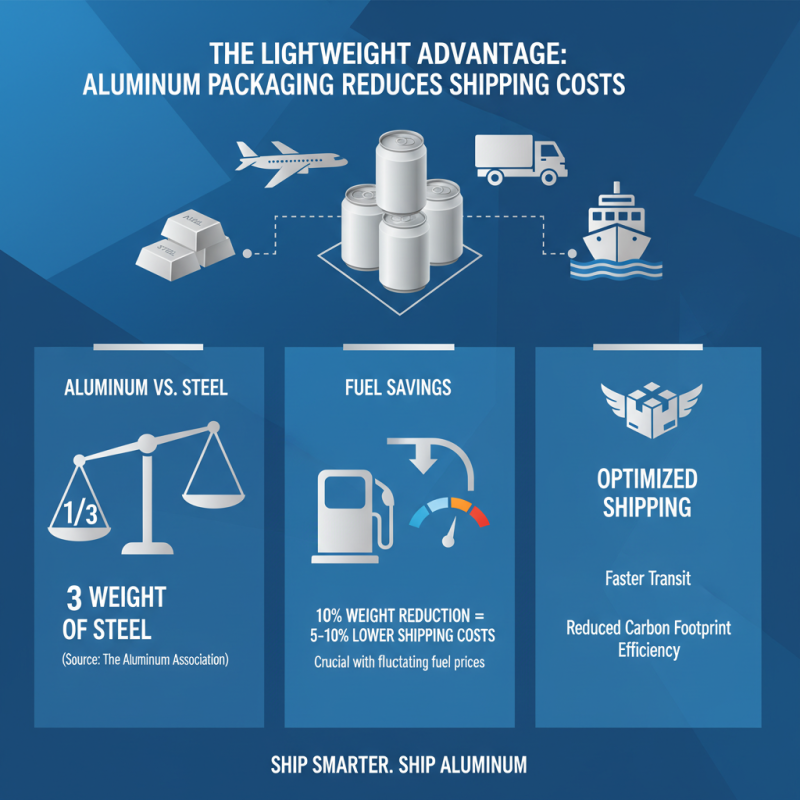
Aluminum packaging brings a lightweight advantage that significantly reduces shipping costs. According to the Aluminum Association, aluminum weighs only a third of steel. This property is crucial for businesses looking to optimize their shipping efficiency. For instance, lighter packages can lead to significant fuel savings in transportation. Research indicates that reducing weight by 10% could lower shipping costs by 5 to 10%. This optimization is particularly important as fuel prices continue to fluctuate.
However, while aluminum offers great benefits, there are challenges. For example, its recyclability often depends on local recycling programs. Not all regions have facilities to process aluminum effectively. Businesses must consider this factor when choosing aluminum packaging. It’s not just about cost savings. Sustainability concerns also come into play. Companies face pressure to ensure that their materials are recyclable. The lightweight nature of aluminum can sometimes lead to a perception that it’s less durable, which is something to address in product design.
Balancing weight with durability is key. Some products may break or be damaged during transit if not packaged carefully. The risk of loss or returns can outweigh the savings from shipping costs. Companies should invest time in testing packaging solutions that incorporate aluminum while maintaining strength. This thoughtful approach can help mitigate the risks associated with lightweight packaging.
Enhanced Product Freshness: Aluminum's Barrier Properties Explained
Aluminum packaging is gaining recognition for its exceptional ability to preserve product freshness. Its barrier properties play a crucial role in protecting contents from external factors. According to the Aluminum Association, aluminum can reduce oxygen transmission by up to 99%. This significant reduction helps in retaining flavor and nutritional value.
Moreover, aluminum is resistant to light, moisture, and gases. This creates an ideal environment for sensitive products like food and pharmaceuticals. A report from Smithers Pira states that aluminum foil can extend shelf life by two times or more compared to other packaging types. Products remain fresher for longer, reducing food waste and enhancing customer satisfaction.
However, even with their advantages, challenges exist. The recycling process for aluminum can be complicated and varies by region. Incentives for recycling help, but many consumers are unaware of proper disposal methods. Companies must address these gaps in consumer education. Ensuring that the advantages of aluminum packaging are fully realized requires a joint effort between producers and consumers.
Recyclability of Aluminum: Statistics on Sustainability and Circular Economy
Aluminum packaging is gaining attention because of its recyclability. This material is among the most recycled products globally. In fact, about 75% of all aluminum produced is still in use today. Recycling aluminum saves energy, reduces waste, and lowers greenhouse gas emissions.
However, challenges remain in the recycling process. Not all aluminum packaging is recycled effectively. Some items end up in landfills, where they lose their potential for reuse. Awareness around correct recycling practices is vital. Many consumers still don’t know how to dispose of aluminum properly. Promoting education on recycling can improve this situation.
In a circular economy, aluminum plays a crucial role. It can be recycled repeatedly without losing quality. This versatility is not common among other materials. However, the infrastructure for recycling can be inconsistent. Areas without proper facilities may struggle to recycle effectively. Addressing these gaps is essential for a sustainable future.
Top 10 Benefits of Aluminum Packaging for Your Products
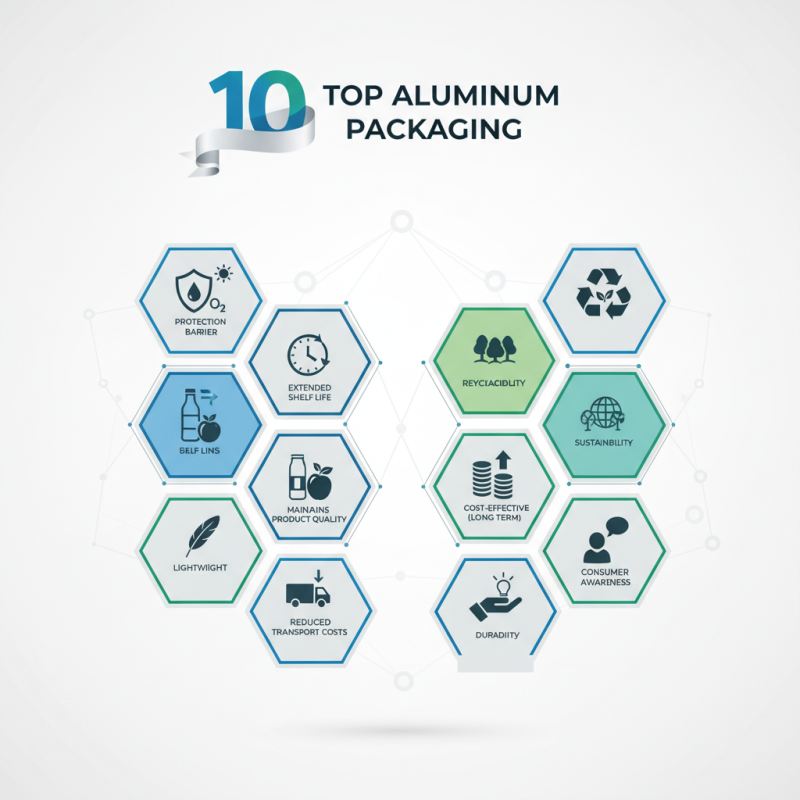
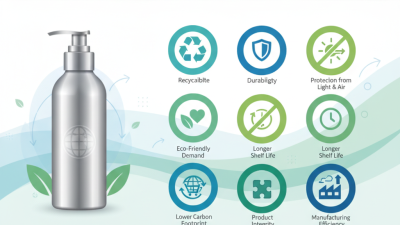
Aluminum packaging offers numerous benefits to products, significantly enhancing their marketability and sustainability. The chart above illustrates the top 10 benefits of aluminum packaging, showcasing areas such as recyclability, versatility, and energy efficiency, all essential for a circular economy.
Consumer Preferences: The Growing Demand for Sustainable Packaging Solutions
With growing consumer awareness, sustainable packaging has become a priority. A recent report from Smithers Pira highlights that 66% of global consumers prefer products with eco-friendly packaging. This shift in consumer preferences is reshaping industries. Brands are challenged to meet these demands while balancing cost efficiency.
Aluminum packaging is increasingly favored for its recyclability. It can be recycled indefinitely without degradation. According to the Aluminum Association, recycled aluminum saves about 90% of the energy needed for new aluminum production. This energy efficiency is critical as consumers express a desire for companies to take action against climate change. Yet, not all manufacturers have adapted their processes, leading to a gap between consumer expectations and actual practices.
However, aluminum isn't without its challenges. The initial production of aluminum can entail significant environmental impacts. Additionally, some consumers are still unaware of the benefits of aluminum over other materials. Educating consumers remains a key hurdle. As brands strive to offer sustainable solutions, they must refine their narratives. Honest communication is vital to bridge the gap between sustainability rhetoric and reality.
Top 10 Benefits of Aluminum Packaging for Your Products
| Benefit |
Description |
Consumer Preference (%) |
| Sustainability |
Aluminum is recyclable and reduces environmental impact. |
75% |
| Lightweight |
Reduces shipping costs and energy consumption. |
68% |
| Durability |
Resistant to damage during transport and storage. |
70% |
| Barrier Protection |
Protects products from moisture, oxygen, and light. |
80% |
| Aesthetic Appeal |
Reflects a premium look and feel, enhancing brand identity. |
65% |
| Cost-Effectiveness |
Cost-efficient due to lower material use and waste. |
72% |
| Customizability |
Easily customizable for branding and marketing needs. |
60% |
| Food Safety |
Keeps food fresh while ensuring safety and hygiene. |
78% |
| Temperature Resistance |
Can withstand high and low temperatures effectively. |
64% |
| Recyclability |
100% recyclable without loss of quality. |
82% |