Carob Extract Benefits and Tips for Global Buyers
Carob extract has gained significant attention in recent years for its numerous health benefits. According to Dr. Jane Thompson, a renowned nutritionist, "The Carob Extract benefits are profound, especially in modern diets." Many consumers are unaware of its potential as an alternative to traditional ingredients like cocoa.
This natural extract is rich in antioxidants, fiber, and essential nutrients. It can aid digestion and improve heart health. While many praise its advantages, some still question its efficacy compared to other options. Market demand continues to grow, yet education is essential for its responsible use.
For global buyers, understanding how to incorporate carob extract into various products can enhance appeal. From health foods to cosmetics, options abound. However, sustainable sourcing and accurate representation remain crucial. As the industry evolves, ongoing research will illuminate further Carob Extract benefits, creating new opportunities for global consumers.
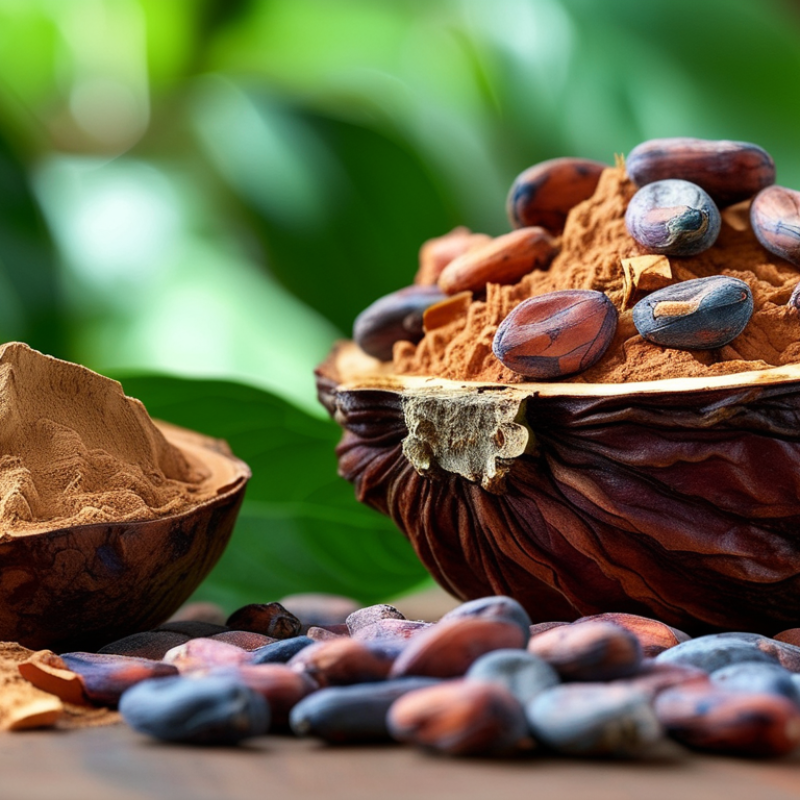
Benefits of Carob Extract: Nutritional Profile and Health Advantages
Carob extract is gaining attention for its impressive nutritional profile. It is rich in fiber, with around 37% of its composition being dietary fiber. This high fiber content can aid digestive health, promoting regularity and a sense of fullness. Data from various nutrition studies indicate that fiber can help lower cholesterol levels and support heart health.
In addition to fiber, carob is naturally low in fat and calories. It contains no caffeine, making it a great alternative to chocolate for those sensitive to stimulants. Moreover, carob is high in antioxidants, particularly polyphenols, which can combat oxidative stress. Research shows that antioxidants may reduce the risk of chronic diseases, including heart disease and cancer.
Potential buyers should be aware that while carob offers various benefits, some individuals may react differently. Allergies or sensitivities can occur. Therefore, it’s essential to start with small amounts. Critics note that while carob is nutritious, its taste differs significantly from chocolate. This distinction can be a hurdle for some consumers. Thoughtful consideration is needed before making it a staple in your diet.
Key Components of Carob Extract: Bioactive Compounds and Antioxidants
Carob extract is gaining attention for its rich bioactive compounds and antioxidants. These elements contribute to various health benefits. Key components of carob include polyphenols, flavonoids, and dietary fiber. Each compound works synergistically to combat oxidative stress. This makes carob a potential ally in promoting overall health.
To maximize your experience with carob extract, consider sourcing it from reputable suppliers. It’s crucial to check for third-party testing to ensure quality. Opt for organic products when possible. This helps avoid harmful pesticides. Additionally, incorporate carob into your diet gradually to assess tolerance. Some individuals may experience digestive discomfort if introduced too quickly.
In culinary use, carob can replace chocolate in recipes, providing a unique flavor. Consider pairing it with nuts or seeds for added nutrients. It's also a great choice for those avoiding caffeine. Be mindful of your personal preferences and reactions. Experiment with different sources and forms of carob to find what works best for you.
Market Trends: Global Demand and Supply of Carob Extract in 2023
In 2023, the demand for carob extract continues to rise globally. This growth reflects changing consumer preferences toward natural and healthier ingredients. Increased awareness of carob’s nutritional benefits is shaping this trend. Buyers are keen on sourcing high-quality carob extract that aligns with their market demands.
Supply chains face challenges. Fluctuations in climate can affect the yield of carob trees. Sustainability practices are increasingly important in cultivation. Buyers seek reliable suppliers who adhere to ethical practices. Additionally, fluctuating prices in raw materials can impact overall production costs.
Considering these factors, exploring partnerships with trusted suppliers is essential. Transparency and consistent quality are crucial. Negotiating terms that ensure reliable delivery can also help mitigate supply chain risks. As the market evolves, maintaining flexibility and an open dialogue with suppliers is vital for success in the carob extract business.
Buying Tips: How to Choose Quality Carob Extract for Different Uses
When selecting carob extract, understanding quality is essential. Look for products that specify their sourcing. Authentic carob should come from respected regions, especially the Mediterranean. The extraction method also matters. Cold-pressed extraction helps retain nutrients better than heat methods. This can affect taste and potency.
Check for purity. High-quality carob extract should have minimal additives. Verify if it’s free from artificial flavors and preservatives. A quick glance at labels can reveal a lot. Seek products with clear ingredient lists. Certifications can indicate trustworthiness, but remember to do your own research.
Consider your intended use. For baking, a sweeter extract might be needed. If using it in smoothies, a thicker consistency is preferable. Taste tests can help too. Sometimes, the texture or flavor doesn't meet expectations. Don't hesitate to experiment with different options until you find your perfect match. Quality varies, so be patient and observant.
Sustainability Factors: Ethical Sourcing and Environmental Impact of Carob
Sustainability is vital in today's market. Carob extract, a natural alternative to chocolate, has gained popularity. Its ethical sourcing can make a significant difference. Farmers harvest carob pods from trees that thrive in arid conditions. This reduces the need for extensive water resources.
However, not all sourcing practices are the same. Some regions may over-harvest, harming local ecosystems. It is essential to know where the carob comes from. Look for suppliers who prioritize sustainable farming methods. Support those who engage with local communities and pay fair wages.
The environmental impact of carob is generally positive. Carob trees improve soil health and prevent erosion. They require fewer pesticides and fertilizers. Still, consumers must remain informed and critical. Sustainability is an evolving journey, not a destination. Each purchase should reflect thoughtful consideration of ethical practices.