Top Aluminum Can Suppliers for Beverage Industry Sustainability?
The beverage industry faces pressing challenges in achieving sustainability. As the demand for eco-friendly packaging grows, aluminum can suppliers play a crucial role. Renowned industry expert Emily Johnson emphasizes, "Sustainable packaging is key to a greener future." This statement reflects the emerging consensus among manufacturers. However, not all aluminum can suppliers prioritize sustainability equally.
Several suppliers have made strides toward eco-friendly materials and practices. Yet, many still cling to outdated methods, hindering progress. The need for transparency in sourcing and production processes is vital. Companies must reflect on their practices and work harder to embrace sustainability. As the industry evolves, the landscape of aluminum can suppliers must change as well.
Ultimately, the road to a sustainable beverage industry is complex. Each player must re-evaluate their contributions. Collaboration among aluminum can suppliers is essential for lasting impact. The goal is clear: move beyond mere compliance to drive genuine change.

Overview of the Beverage Industry's Sustainability Goals
The beverage industry faces pressing sustainability challenges. As consumer awareness grows, brands strive to adopt greener practices. Reducing environmental impact is a common goal. This includes minimizing carbon footprints, optimizing water usage, and enhancing recycling efforts.
Aluminum cans play a vital role in these sustainability initiatives. They are lightweight and recyclable. A high percentage of aluminum is reused in the market. However, the industry still struggles with recycling rates that can improve. Many cans still end up in landfills, which contradicts sustainability goals. The transportation of these cans also adds to carbon emissions. Addressing these issues is critical for the future.
The journey toward sustainability is complex. Some brands may lack transparency in their supply chains. Efforts to reduce energy consumption in production processes are often not enough. Collaboration within the industry could lead to breakthroughs. Engaging suppliers who prioritize sustainable practices is essential. Ultimately, the goal remains to enhance environmental responsibility while meeting consumer demands.
Importance of Aluminum Cans in Sustainable Packaging
Aluminum cans play a pivotal role in sustainable packaging. They are lightweight, recyclable, and robust. According to the Aluminum Association, aluminum cans are made with 70% recycled content. This reduces energy use by 95% compared to producing new aluminum. In 2020, the recycling rate for aluminum cans in the U.S. was approximately 50%. However, this is a striking contrast to glass and plastic, which have lower recycling rates.
The beverage industry is increasingly adopting aluminum cans due to their sustainability features. A recent report indicated that aluminum cans can be recycled indefinitely without loss of quality. This is a significant advantage. Yet, only 58% of consumers know that they can recycle aluminum cans. This lack of awareness presents challenges that need addressing. Despite being a preferred option, many still discard cans incorrectly.
Innovation is also vital in this space. Lightweighting of cans can lead to significant reductions in carbon emissions. Reports suggest that every gram saved can decrease emissions by about 3-4%. While progress is clear, the industry must overcome barriers to recycling and consumer education. The journey toward sustainability in packaging is ongoing and requires collective effort.
Top Aluminum Can Suppliers for Beverage Industry Sustainability
| Supplier Type |
Recycling Rate (%) |
Sustainable Practices |
Annual Production (Million Units) |
Green Certifications |
| Primary Supplier |
75% |
Closed-loop recycling, energy-efficient production |
5000 |
ISO 14001, LEED certification |
| Secondary Supplier |
80% |
Solar-powered facilities, waste reduction initiatives |
3000 |
FSC certified, Green Seal |
| Tertiary Supplier |
70% |
Water conservation techniques, carbon offset programs |
4000 |
Cradle to Cradle certification, Energy Star |
Key Players in the Aluminum Can Supply Chain
The aluminum can supply chain plays a crucial role in the beverage industry. Several key players contribute to the sustainability efforts. Raw material suppliers are vital, providing high-quality aluminum. They focus on reducing their carbon footprint through efficient extraction methods.
In the manufacturing phase, plants must prioritize energy efficiency. This not only lowers costs but also minimizes environmental impact. Issues arise when factories overlook renewable energy sources. Production waste management is another critical factor. Some facilities struggle to implement effective recycling programs.
Distribution networks also affect sustainability. Transporting cans incurs significant emissions. Finding greener logistics solutions is essential. Engaging with local suppliers can reduce travel distances. However, this can also complicate supply chain management. Producers need to reflect on the balance between efficiency and environmental responsibility. The challenge remains to unify efforts for a more sustainable future.
Top Aluminum Can Suppliers for Beverage Industry Sustainability
This chart illustrates key sustainability metrics related to aluminum can suppliers in the beverage industry. The metrics include the percentage of recycled aluminum, sustainable sourcing, energy efficiency, and carbon footprint reduction. These factors play a crucial role in assessing the overall sustainability performance of suppliers in this sector.
Evaluation Criteria for Sustainable Aluminum Can Suppliers
When assessing sustainable aluminum can suppliers, several criteria become crucial.
Environmental impact stands at the forefront.
A recent industry report highlights that aluminum cans are 100% recyclable, making them a preferred choice for eco-conscious companies. However, it's essential to consider the energy used in production. Reports indicate that the process of recycling aluminum saves around 95% of the energy needed to create new cans. This statistic is vital when evaluating suppliers.
Another critical criterion is the supplier’s commitment to reduction in carbon emissions. Data suggests that the beverage industry accounts for approximately 2% of global carbon emissions. Suppliers making strides towards reducing their emissions can play a significant role in mitigating this impact. Many suppliers are exploring renewable energy sources for production. Yet, not all have transparent practices, raising questions about their true sustainability efforts.
Supplier practices surrounding sourcing materials are also important. Some reports reveal that around 70% of the aluminum used comes from primary sources, which can be harmful to the environment. The move towards using recycled materials should be actively monitored. While many suppliers claim high percentages of recycled content, this should be verified. The industry must continue to challenge its vendors to improve in these areas. Only then can the beverage sector genuinely move toward sustainability.
Innovative Practices by Leading Aluminum Can Suppliers
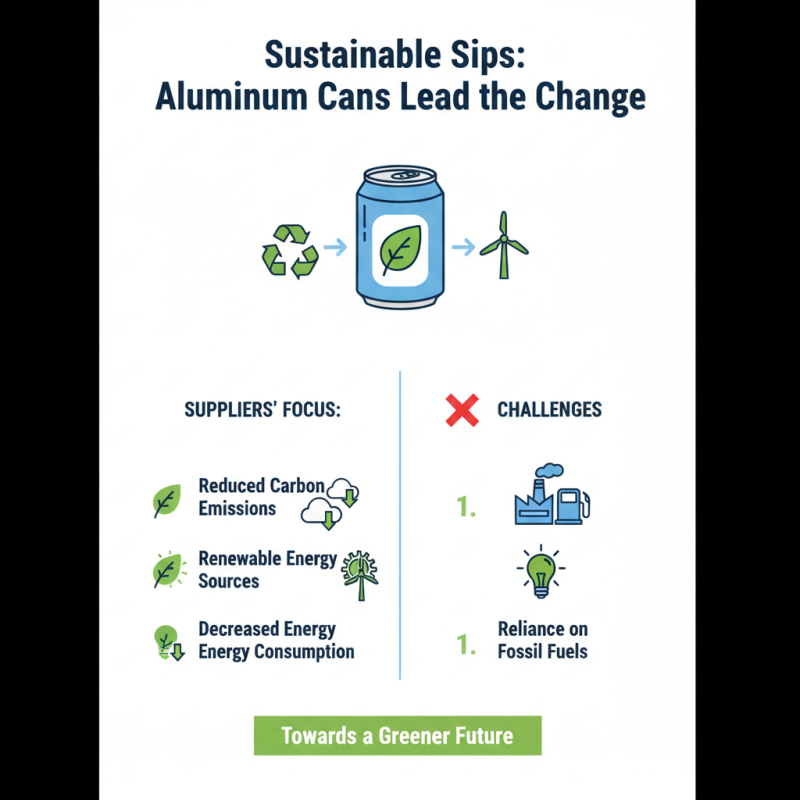
The beverage industry is moving towards sustainability, and aluminum can suppliers are at the forefront of this change. Many suppliers focus on reducing carbon emissions in production. They are exploring renewable energy sources and aiming to decrease energy consumption. This approach is not without challenges. Some suppliers still rely on fossil fuels, which raises concerns about their commitment to sustainability.
Recycling practices are also evolving. Leading suppliers are implementing closed-loop systems. This means they recycle used cans into new ones efficiently. However, not all suppliers effectively manage recycling programs. Some customers still struggle with proper recycling practices. This disconnect highlights an area needing improvement in the industry.
Innovation is crucial for these suppliers. Many are experimenting with lightweight can designs to minimize material usage. Additionally, they are testing advanced coatings to enhance the lifespan of cans. Yet, these innovations can increase costs. Balancing sustainability with affordability remains a significant hurdle. The path to a greener future is complex, but these suppliers are striving to navigate it.